




Choosing the Right Spot and Variety
Success with kiwi begins long before you plant. These vigorous vines need a spot with at least six to eight hours of direct sunlight and protection from strong winds. Kiwifruit grows best in the cooler, temperate, and sub-temperate hill regions of India,
such as parts of Himachal Pradesh, Uttarakhand, Sikkim, and Arunachal Pradesh, as the plants require a certain number of winter chilling hours to produce flowers. They thrive in well-drained, loamy soil that is rich in organic matter and slightly acidic, with a pH between 5.5 and 6.5. The most critical choice is the variety. Kiwi plants are dioecious, meaning you need separate male and female plants for pollination and fruit production. The Hayward variety is the most popular green kiwifruit grown commercially in India and is a great choice for home gardeners due to its large fruit and market familiarity. For every six to eight female plants, you will need one male pollinator plant, such as the Tomuri variety, to ensure your vines bear fruit. When buying saplings, get grafted plants from a certified nursery to ensure you know the sex and variety.
Planting and Building a Strong Support
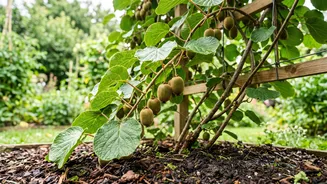
Kiwifruit vines are powerful climbers and can grow up to 30 feet long, so a sturdy support structure is non-negotiable. A robust T-bar trellis or a pergola is ideal, built to handle significant weight as the vines mature. The best time to plant is in the dormant season, around January. Prepare the planting site by digging large pits and enriching the soil with plenty of well-rotted compost or farmyard manure. When planting multiple vines, space them about 3 to 4 metres apart to allow for ample sunlight and air circulation. After planting, water the sapling thoroughly and mulch around the base with wood chips or straw to help retain soil moisture, regulate temperature, and suppress weeds.
Training, Pruning, and Ongoing Care
For the first few years, your main job is to guide the vine's growth. Train a single, dominant stem—the trunk—to grow straight up your support structure. Once it reaches the top of the trellis, encourage it to branch out into main horizontal arms, tying them loosely to the wires. Pruning is essential for managing growth and encouraging fruit production. A major pruning should be done in the winter when the vine is dormant to remove old wood and shape the plant. A lighter summer pruning helps control unruly growth and ensures sunlight reaches the developing fruit. Kiwi plants need consistent watering, especially during dry spells in summer, but they hate waterlogged soil, which can cause root rot. Water deeply once or twice a week, allowing the soil to dry slightly between waterings. Avoid fertilizing in the first year. From the second year onwards, apply a balanced fertilizer or compost in the spring.
The Pollination Puzzle
One of the most common reasons homegrown kiwi vines fail to fruit is a lack of pollination. Since male and female flowers grow on separate plants, pollen must be transferred from the male flowers to the female ones. This is primarily done by bees. To ensure success, the flowering times of your male and female varieties must overlap. If you have a small garden or are unsure about local bee activity, you can take matters into your own hands. Hand-pollination is a reliable method for small-scale growers. Simply pluck a freshly opened male flower, remove its petals, and gently brush its pollen-laden centre against the stigma in the centre of the female flowers.
Patience, Harvest, and Ripening
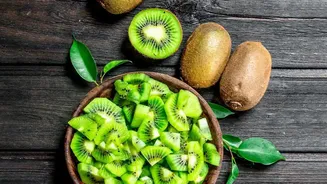
Growing kiwifruit is a long-term project. Vines typically take three to five years to start producing a meaningful harvest, so patience is key. The fruit reaches its full size around August, but it isn't ready to pick until late October or November when the sugar levels have risen and the seeds inside have turned black. Unlike many other fruits, kiwis do not ripen on the vine; they soften and sweeten after being picked. To check for maturity, carefully cut one fruit open. If the seeds are black, the crop is ready to harvest. Snip the fruits from the vine with a bit of stem attached, handling them carefully as they bruise easily. Store the hard, unripe kiwis in a cool place or a refrigerator, where they can last for several weeks. To ripen them, bring a few indoors and place them in a bag with a banana or apple at room temperature; they should be soft and ready to eat in a few days.