







A Fresh Take on Old Traditions
Zero-waste cooking is hardly a new concept in India. For generations, Indian kitchens have mastered the art of using every part of an ingredient out of necessity and respect for food. Practices like turning vegetable peels into chutneys or using leftover
rice have been commonplace long before they became a global trend. What we are seeing now is a conscious revival of this philosophy, repackaged for the modern urban home. Millennial bakers are looking back at the wisdom of their grandmothers' kitchens—where resourcefulness was a way of life—and applying it to contemporary baking. This isn't just about saving money; it's about connecting with a more sustainable heritage in a world of convenience and waste.
The Post-Pandemic Baking Boom
The home baking scene in India has surged in recent years, largely accelerated by the pandemic. What started as a way to pass the time during lockdowns has blossomed into a widespread hobby and a creative outlet for many. For urban millennials, this newfound passion for baking provides a sense of control and comfort. It allows them to create healthier, preservative-free treats tailored to their own tastes. Now, as this generation becomes more aware of its environmental impact, the focus is shifting from simply baking to baking better. The joy of creating something from scratch is being combined with the satisfaction of doing so sustainably.
What is Eco-Baking Anyway?
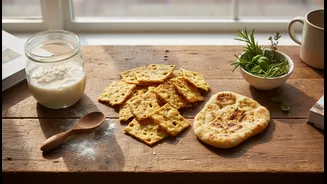
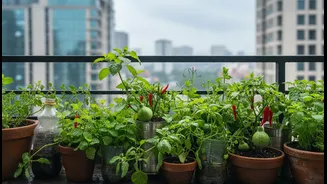
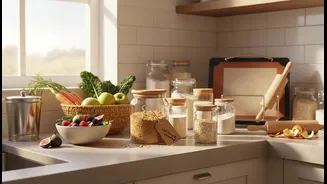
Eco-baking goes beyond just avoiding plastic wrap. It’s a holistic approach that considers the entire lifecycle of ingredients. This means using local and seasonal fruits to reduce carbon footprint, choosing whole grains over refined flours, and most importantly, minimizing waste. A popular zero-waste technique is using food scraps that would otherwise be discarded. Think cakes made from banana peels, stocks from vegetable ends, or crisps made from potato skins. Chefs and home cooks alike are discovering that these 'scraps' are often packed with flavour and nutrients. For instance, the peels of many fruits and vegetables can be used to make everything from chutneys to infused oils.
Driven by Values and Instagram
This trend is particularly resonant with Indian millennials and Gen Z, who increasingly consider a brand's values and environmental stance before making a purchase. They are looking for ways to live more consciously, and the kitchen is a natural place to start. Social media platforms like Instagram play a huge role, providing a space for home bakers to share their eco-friendly creations and discover new techniques. Visually appealing posts of a 'trash-to-treasure' banana peel cake or a vibrant jam made from watermelon rinds inspire others to join the movement. It's a form of activism that is both personal and shareable, making sustainability feel accessible and even aspirational.
More Than Just a Trend
While social media may amplify the trend, the shift towards eco-baking is rooted in deeper concerns. Rising food prices and growing awareness about health and nutrition are significant drivers. By using ingredients fully and opting for homemade goods, families can reduce their grocery bills and control what goes into their food. This movement represents a rejection of the hyper-consumerism and wastefulness that has become prevalent in many urban lifestyles. It’s a return to a more mindful way of living, where every ingredient is valued and the impact on the planet is considered. It proves that small changes in the kitchen can contribute to a larger, more positive change.