



More Than Just a Meal
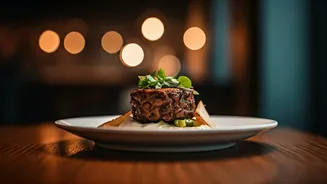
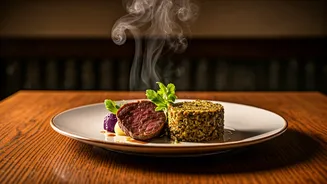
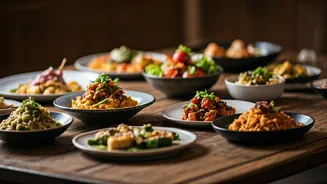
A memory-led menu is more than just comfort food. It's a culinary philosophy where chefs become storytellers, using flavours and ingredients from their past as a creative framework. Think of a dish not just as a recipe, but as an autobiography on a plate.
It could be a chef's modern take on their mother’s signature curry, a dessert inspired by a childhood sweet, or a dish that captures the feeling of a family celebration. For instance, chef Garima Arora of Gaa offers a version of a gobi paratha on her menu, inspired by the ones her grandmothers made, served with homemade cultured butter that evokes powerful feelings of home for her. These menus transform dining from a simple transaction into an intimate, personal experience that fosters a deeper connection between the chef, the food, and the diner.
The Science of Sentimental Taste
The power of this trend is rooted in science. The senses of smell and taste have a uniquely direct line to the brain's centres for emotion and memory. This phenomenon, sometimes called the 'Proustian effect', is why a particular aroma can instantly trigger a vivid, emotional memory from years ago. When we eat foods associated with happy times, our brains link those flavours to feelings of comfort, safety, and belonging. In a world that often feels fast-paced and uncertain, this appeal is stronger than ever. Research confirms that experiencing nostalgia can affirm social belonging and even alleviate loneliness, making these meals emotionally resonant. A memory-led dish offers a predictable, safe sensory experience that can feel like an affordable luxury and an emotional anchor.
From Home Kitchen to Haute Cuisine
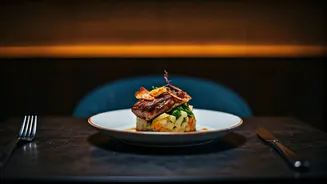
This trend isn't about simply replicating old family recipes. The magic lies in the reinterpretation. Chefs are taking the essence of a nostalgic dish and elevating it with modern techniques and premium ingredients. Chef Niyati Rao, for example, transformed her memory of eating chicken lollipops with condensed milk into a sophisticated prawn dish at her restaurant. Similarly, chef Kunal Kapur speaks of how the memory of mango kulfi from his childhood home inspires his creations. This approach, sometimes called "newstalgia," blends the familiar with the new, creating something that feels both comforting and exciting. It offers diners a fresh experience that honours classic favourites while delivering contemporary flavour profiles and artistic presentation.
Why We Crave a Taste of the Past
So why is this trend hitting a nerve right now? For many diners, it’s a response to a world of generic, globalised experiences. There's a growing desire for authenticity and human connection, and a story-driven meal provides that. In an era dominated by digital interactions, a dish rooted in a real person's life feels intentional and layered. This trend appeals across generations; older diners might remember the original flavours, while younger diners are drawn to the story and the retro aesthetic. Ultimately, it's not about replicating the past, but using it as a foundation to create a unique, meaningful experience that can't be found anywhere else.