

The Final Act of the Monsoon
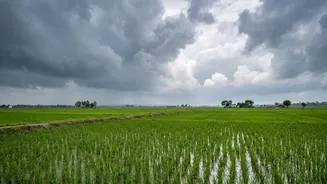
The four-month southwest monsoon is the lifeblood of Indian agriculture, and its performance in September is critical. This final spell of rain, often called the ‘withdrawal’ or ‘finishing’ rains, is essential for the maturation of summer-sown (Kharif)
crops and for creating the right soil conditions for winter (Rabi) sowing. However, the outlook for September 2026 is worrying. As of late August, the monsoon season was already running a deficit of around 13% below the long-term average. Forecasts, influenced by a strengthening El Niño, suggest that September could see below-average rainfall, potentially making this the weakest monsoon in nearly two decades. While some eastern and central parts of India might see continued showers due to low-pressure systems, a broader trend of subdued rainfall is expected, particularly over Peninsular India.
Immediate Risk to Kharif Crops
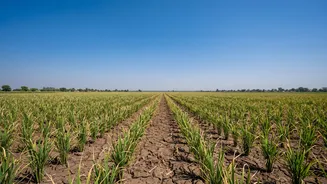
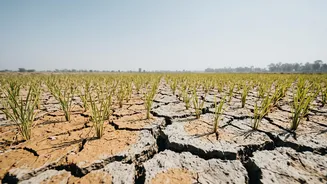
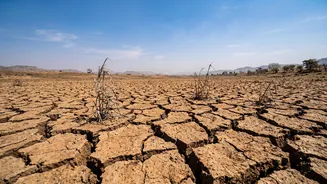
A dry September poses a direct threat to standing Kharif crops, which are in their final growth stage. Crops like rice, pulses, soybean, corn, and cotton depend on these late-season showers for grain filling and maturation. While overall Kharif sowing has been resilient, recovering from a large deficit in mid-July to being only slightly below last year's levels, acreage alone doesn't guarantee output. A lack of rain at this crucial juncture can lead to moisture stress, severely impacting the final yield and quality of the harvest. Regions with lower irrigation coverage are particularly vulnerable, with some analyses pointing to over 300 districts that could be affected by a weak monsoon finish. The uneven distribution of rain so far has already left key agricultural states like Andhra Pradesh and Bihar with significant deficits, compounding the risk.
The Critical Role of Soil Moisture for Rabi Season
The impact of a poor September extends beyond the summer harvest. The moisture left in the soil by the departing monsoon is a vital starting condition for the Rabi sowing season, which typically begins in October. Farmers rely on this residual moisture to plant major winter crops like wheat, rapeseed, mustard, and gram. A dry September depletes this natural advantage, forcing greater reliance on irrigation. This leads to a difficult choice for farmers: either delay sowing until sufficient moisture is available, which can shorten the growing season and reduce yields, or risk planting in suboptimal conditions. The alternative is to draw more heavily on other water sources, which are themselves under pressure.
Depleted Reservoirs and Water Security
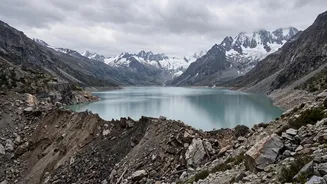
September rains play a crucial role in topping up India's vast network of reservoirs. These reservoirs are essential for Rabi crop irrigation, hydropower generation, and providing drinking water throughout the dry winter and summer months. As of late August 2026, reservoir levels across the country were already a cause for concern, standing at around 64% of capacity, significantly lower than the 77% recorded at the same time the previous year. Some reports indicated the deficit was even worse in southern and northern regions. A weak end to the monsoon would mean these reservoirs do not get their final, vital recharge. This could lead to water shortages for irrigation during the Rabi season and place stress on drinking water supplies and power generation well into 2027.
Economic Ripples: Inflation and Rural Demand
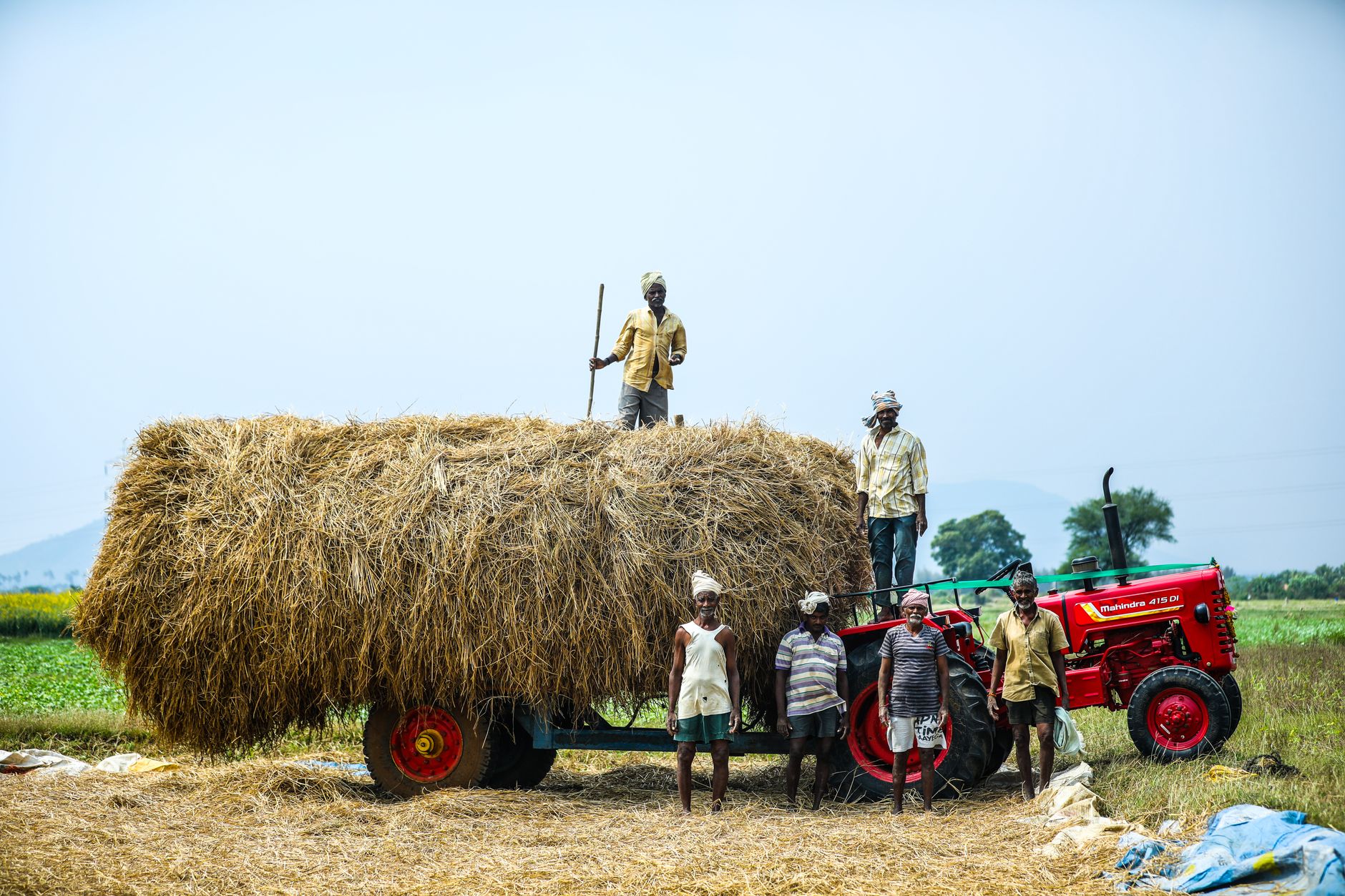
The agricultural consequences of a dry spell inevitably spill over into the broader economy. Lower crop yields can lead to tighter supplies and push up food prices, stoking inflation. Some economic reports have warned that a significant shortfall in September could push consumer price inflation higher in the coming financial year. Furthermore, reduced agricultural output directly hits farmer incomes, which in turn dampens rural demand. This can have a cascading effect, slowing sales for everything from tractors and two-wheelers to consumer goods, and potentially requiring the government to step in with support measures. Ultimately, the final performance of the monsoon in September will be a key determinant of India's economic stability in the months ahead.