



More Than Just a Snail's Pace
Slow travel is less about your speed and more about your mindset. Emerging from the 'Slow Food' movement in Italy, it's an approach that prioritizes connection over checklists. Instead of rushing between landmarks, the goal is to spend more time in fewer
places, fostering a genuine connection to the local culture, environment, and community. It trades the stress of a packed schedule for the joy of spontaneous discovery, encouraging travellers to linger, ask questions, and truly experience a destination rather than just seeing it. The philosophy is simple: quality over quantity.
A Natural Partnership
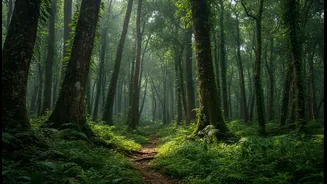
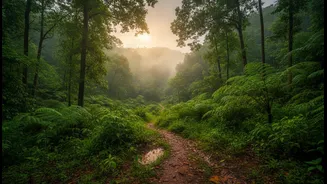
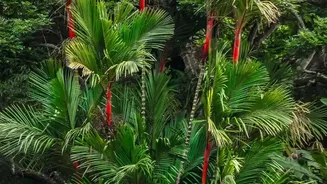
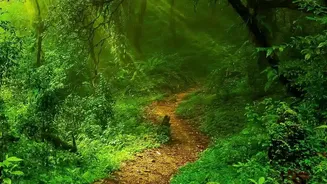
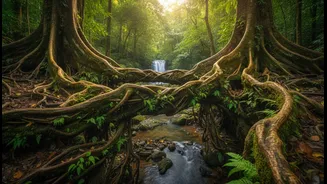
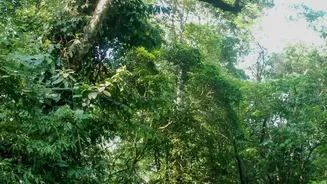
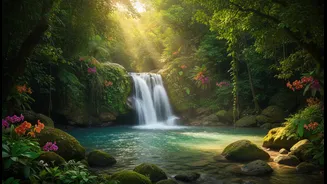
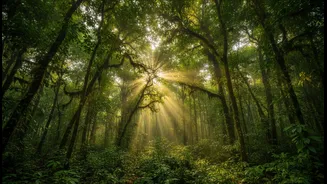
Nowhere does this philosophy feel more appropriate than in a rainforest. These complex, ancient ecosystems don't reveal their secrets to those in a hurry. The rustle of a creature in the undergrowth, the flash of a toucan's beak high in the canopy, or the intricate details of a poison dart frog are wonders often missed in a rush. A slow approach allows for the quiet observation needed to appreciate the symphony of the jungle. Destinations like Costa Rica, with its 'Pura Vida' ethos, have become synonymous with this style of travel, where the country's compact size and immense biodiversity invite deeper exploration of a single region rather than a frantic cross-country dash.
Immersing in Local Life
Slow travel in a rainforest setting goes beyond wildlife spotting; it creates pathways for authentic cultural exchange. This approach often leads travellers to stay in smaller, locally-owned eco-lodges instead of large corporate resorts. These lodges are frequently staffed by people from surrounding communities, offering guests a chance to learn from those with an intimate knowledge of the forest. It means eating at traditional eateries, learning a few local phrases, and valuing the human connection as much as the natural one. By choosing these options, travellers contribute directly and sustainably to the local economy, empowering the very communities that act as guardians of these vital habitats.
Conservation Through Connection
Perhaps the most significant benefit of this pairing is its positive impact on conservation. When travellers slow down, they tend to reduce their carbon footprint by minimizing transportation between locations. More importantly, by spending time and money at community-based eco-lodges and sustainable tour operators, they provide a powerful economic incentive to protect the forest. This model of low-impact tourism helps fund the preservation of natural habitats and wildlife. As travellers develop a deeper appreciation for the ecosystem, they often become advocates for its protection long after they've returned home, understanding that the forest’s value is far greater when it is left standing.
How to Plan Your Rainforest Retreat
Embracing slow travel in a rainforest is more about intention than a specific itinerary. Start by choosing one region, like the Osa Peninsula in Costa Rica or the Amazon basin in Ecuador, and commit to exploring it thoroughly. Look for accommodations with reputable eco-certifications that highlight their commitment to sustainability and community support. Allow for unstructured time in your schedule. Some of the most profound moments come not from a planned tour, but from an unplanned afternoon spent watching the rain, listening to howler monkeys, or talking with a local guide. The goal isn't to see everything, but to fully experience the few things you choose to do.