


Known to many in India as 'sahjan' or the drumstick tree, moringa is having a global moment. But forget the wild 'superfood' hype. This guide offers simple, practical ways to bring this nutritious green into your kitchen without the miracles.
What is Moringa, Really?
Before it
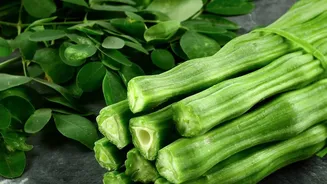
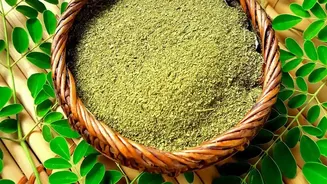
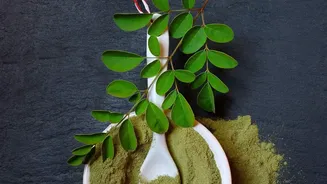
was a trendy powder in health stores, moringa was a household staple in many parts of India. The moringa oleifera is a fast-growing tree, and nearly all its parts, from the long 'drumstick' pods in our sambar to its delicate leaves, are edible. Traditionally called 'shobhanjana' or the 'very auspicious tree', its leaves have been used for centuries. Today, you can find it in two main forms: fresh leaves, sold in bunches at local markets, and a fine, vibrant green powder made from dried leaves. This guide focuses on using both to add flavour, texture, and a gentle nutritional boost to your meals.
A Reality Check on Health Claims
It's impossible to discuss moringa without addressing the 'miracle tree' label. You may have seen claims that it has '92 nutrients' or '7 times the vitamin C of oranges'. While moringa is impressively nutrient-dense—rich in vitamins, minerals, and antioxidants—these viral claims are often exaggerated. Many comparisons use concentrated dried powder against fresh fruit or vegetables, which is not a fair comparison. Fresh moringa leaves have a vitamin C content similar to an orange, which is still excellent. Think of moringa not as a cure-all, but as you would spinach or fenugreek leaves (methi): a wonderfully nutritious vegetable that supports overall wellness as part of a balanced diet.
Easy Wins: Cooking with Fresh Leaves
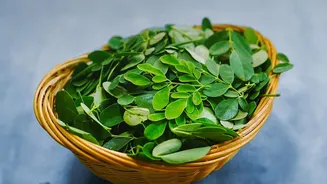
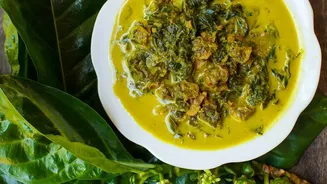
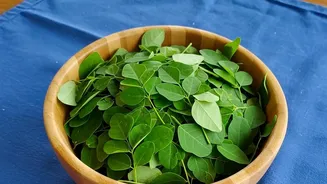
If you can find fresh moringa leaves (often called 'murungai keerai' or 'sahjan ke patte'), you're in for a treat. They have a mild, slightly earthy flavour. The main work is separating the tiny leaves from the stems. Once that's done, the options are endless. A popular South Indian method is to add a generous handful to dal, like toor or moong, during the last few minutes of cooking. You can also make a simple stir-fry (poriyal or sabzi) with potatoes, onions, and minimal spices to let the leaves' flavour shine. For breakfast, try adding finely chopped leaves to your omelette batter or mixing them into the dough for parathas, just as you would with methi.
The Powder Play: Simple Additions
Moringa powder is incredibly versatile due to its fine texture, though its flavour is more concentrated and grassy. The key is to start small—about half to one teaspoon per serving—and add it to dishes where it can blend in easily. One of the easiest ways is to whisk it into smoothies, especially with fruits like banana, mango, or pineapple to balance the earthiness. You can also stir it into a bowl of yogurt, oatmeal, or overnight oats. For savoury applications, add it to soups, stews, or sauces right at the end of cooking to preserve its nutrients. It also mixes well into dips like hummus or guacamole, or can be whisked into a simple salad dressing.
Get Creative : Beyond the Basics
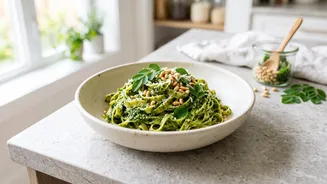
Once you're comfortable with the basics, moringa can be a fun, creative ingredient. Mix moringa powder into the flour when making savoury pancakes (chilla) or even baked goods like muffins for a nutritional and colour boost. A spoonful can be blended into homemade pesto or chutney for a new layer of flavour. You can also create a simple, warming tea by stirring a teaspoon of powder into hot water with a squeeze of lemon and a touch of honey. Another great idea is to knead the powder into your chapati or roti dough, giving your daily bread a vibrant green hue and an extra dose of nutrients without much effort.