





A Monsoon Out of Rhythm
The Indian summer monsoon is more than just a weather event; it's a critical economic driver for the nation's $3.7 trillion economy. Delivering over 70% of the country's annual rainfall, it dictates the fortunes of nearly half the population whose livelihoods
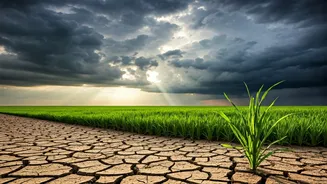
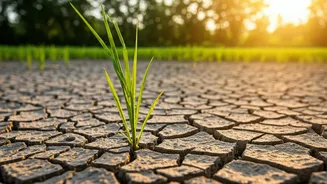
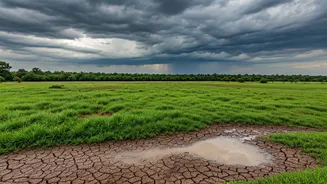
depend on agriculture. Historically, its arrival was a predictable, celebrated event. Now, it's becoming a source of uncertainty. Climate change is altering the monsoon's character, replacing steady, season-long rains with a pattern of long dry spells punctuated by intense, destructive downpours. Forecasts for 2026 suggest a below-normal monsoon, weakened by a strengthening El Niño—a warming of the Pacific Ocean historically linked to drier conditions in India. The India Meteorological Department (IMD) has noted a significant rainfall deficit of nearly 40% in the early weeks of the 2026 season, raising alarms from farms to the finance ministry.
The Direct Hit on the Farm
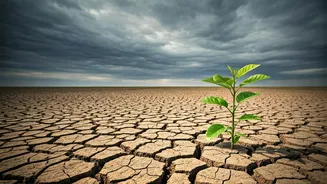
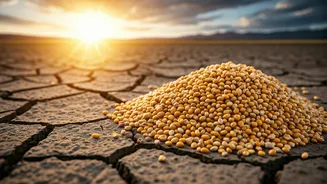
This unpredictability strikes farmers the hardest. A delayed monsoon disrupts the sowing calendar for crucial kharif (summer) crops like rice, soybeans, cotton, and pulses. When rains fail to arrive on time, farmers can't plant. When rain arrives in a deluge, it can damage standing crops, cause waterlogging, and erode topsoil. Regions like Maharashtra, Karnataka, and Madhya Pradesh, which are major producers of pulses, cotton, and soybeans, are particularly vulnerable to these shifts. With nearly half of India's farmland lacking access to irrigation, the reliance on monsoon rains is absolute. A weak monsoon means lower crop yields, and in severe cases, complete crop failure. This not only devastates the incomes of millions of small and marginal farmers but also directly shrinks the national food supply.
The Usual Suspects: Onions, Tomatoes, and Pulses
When farm output suffers, the ripple effect quickly reaches urban markets and household kitchens. The first items to reflect this stress are often perishable vegetables and protein-rich pulses—the building blocks of an average Indian meal. Tomatoes, onions, and potatoes are highly sensitive to weather disruptions. Intense heatwaves preceding the monsoon can damage vegetable crops, and erratic rains can disrupt their supply chains. This has already been seen with tomato prices, which saw a nearly 48.4% spike in May 2026 due to heat-related supply issues. Pulses like tur (arhar) and moong, which are largely rain-fed, are similarly exposed. A rainfall deficit reduces the sown area and overall production, leading to lower market arrivals and higher prices. These are not just seasonal fluctuations anymore; they are becoming a persistent feature of our new climate reality, transforming food security from a question of availability to one of affordability.
The Broader Economic Shockwave
The impact of a poor monsoon extends far beyond the vegetable aisle. Food and beverages constitute nearly 46% of India's Consumer Price Index (CPI), the basket of goods used to measure retail inflation. When food prices rise, overall inflation is pushed up, squeezing household budgets across the board. This forces families, especially lower-income ones, to cut back on other essential spending. The Reserve Bank of India has repeatedly flagged a weak monsoon as a major risk to its inflation targets. Furthermore, lower agricultural output reduces rural incomes, which in turn dampens demand for everything from fast-moving consumer goods to two-wheelers, slowing down the wider economy. The World Bank has warned that changing monsoon patterns and rising temperatures could depress the living standards for almost half of India’s population by 2050 if adaptive measures are not taken.