



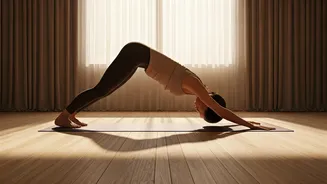




Understanding 'Study Neck'
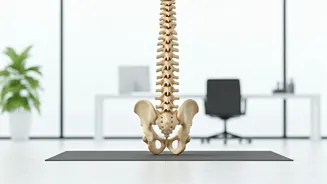
‘Study neck,’ also known as 'tech neck,' is the pain and stiffness that results from keeping your head bent forward for extended periods. [9, 20] The human head is heavy, weighing about 10 to 12 pounds. [21, 22] When you hold it in a neutral, upright
position, your spine supports it efficiently. However, tilting your head forward to read a book or look at a laptop dramatically increases the strain on your neck muscles and cervical spine. [21] This sustained poor posture leads to muscle fatigue, stiffness, aches between the shoulder blades, and even tension headaches, making it difficult to concentrate and feel comfortable. [21, 22]
An Introduction to Cobra Pose (Bhujangasana)
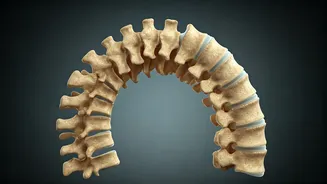
Bhujangasana, or Cobra Pose, is a foundational back-bending posture in yoga that resembles a cobra raising its head. [17] The name comes from the Sanskrit words 'bhujanga' for snake and 'asana' for pose. [4] This pose is celebrated for its ability to increase spinal flexibility, strengthen back muscles, and open up the chest and shoulders. [1] By gently arching the spine, it provides an effective counter-movement to the forward hunch that causes study neck, helping to realign posture and relieve accumulated tension. [10, 14]
How to Perform Cobra Pose Correctly
Performing the Cobra Pose with the correct form is crucial to gain its benefits and prevent injury. [6] Follow these steps: 1. Lie on your stomach with your forehead resting on the floor. Extend your legs straight back, with the tops of your feet on the mat. [10] 2. Place your palms on the floor under your shoulders, with your fingers pointing forward and elbows tucked in close to your body. [7] 3. On an inhalation, gently press your hands into the floor and begin to lift your head, chest, and shoulders. [10] Lead with your chest, not your chin, and keep your shoulders relaxed and down, away from your ears. [6, 14] 4. Keep your hips, legs, and the tops of your feet pressed into the floor. [7] You can start with a 'Low Cobra' by keeping your elbows bent and only lifting partway. [10] This is a great option if you have a tender lower back or neck pain. [10] 5. Keep your neck in a long, neutral position, gazing straight ahead. [1, 14] Avoid throwing your head back. [6] 6. Hold the pose for 15-30 seconds while breathing steadily. To release, exhale and slowly lower your chest and forehead back to the mat. [1]
Mistakes to Avoid
To protect your body, be mindful of common errors. Avoid lifting your hips off the floor, as this puts pressure on the lower back. Don't crunch your neck by looking up too high; instead, focus on lengthening the spine. [6, 15] Another frequent mistake is letting the shoulders bunch up around the ears. Actively draw your shoulder blades down your back to keep your chest open. [7] Finally, don't force the backbend. Only go as high as feels comfortable for your body. [1] If you feel any sharp pain, especially in your lower back, ease out of the pose. [18]
Who Should Be Cautious?
While beneficial, Cobra Pose is not suitable for everyone. Individuals who are pregnant should avoid this pose due to the pressure on the abdomen. [1, 5] It's also not recommended for those with serious back injuries like a herniated disc, recent abdominal surgery, or carpal tunnel syndrome, which can be aggravated by the wrist pressure. [1, 5, 8] If you have high blood pressure, severe headaches, or chronic neck conditions, it's essential to practice with caution or consult a healthcare professional before attempting the pose. [1, 8]
Other Tips for a Healthy Neck
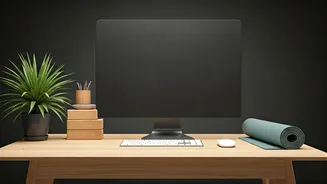
Incorporating Cobra Pose into your routine is a great start, but a few other habits can help combat study neck. Make sure your study space is ergonomic: your screen should be at eye level to prevent you from looking down. [3] Take frequent breaks—every 20 minutes, look away from your screen for 20 seconds. [22] Simple stretches at your desk, like gentle neck rotations, chin tucks, and shoulder shrugs, can also provide significant relief by releasing muscle tension throughout the day. [11, 12, 16]