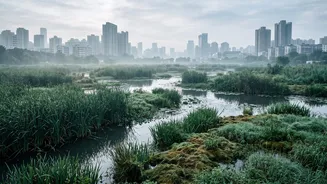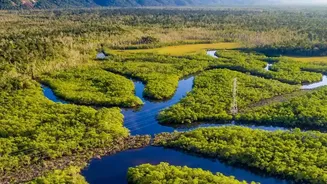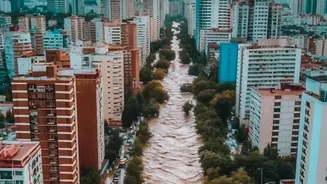




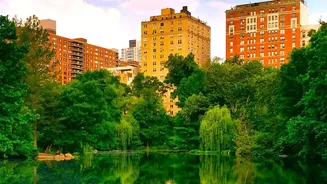
As Indian cities grow, they face a recurring paradox: devastating floods during monsoons, followed by acute water scarcity. The solution may lie not in more concrete, but in embracing nature's own infrastructure: our urban water bodies.
The Concrete Problem
Rapid, often unplanned
urbanisation has transformed India's cityscapes. Natural ground has been paved over, and traditional water bodies like lakes, ponds, and wetlands have been encroached upon or turned into dumping grounds. Cities such as Bengaluru, Delhi, and Mumbai have lost over half of their functional wetlands in recent decades. This relentless concretisation prevents rainwater from seeping into the ground. Instead, it becomes rapid runoff, overwhelming drainage systems that were never designed for such volumes. The result is predictable and destructive: flash floods that bring cities to a standstill, damage property, and threaten lives.
Nature's Sponges
Before they were degraded, urban water habitats served as critical, natural infrastructure. Wetlands, floodplains, and lakes act like giant sponges, absorbing and storing massive amounts of rainwater. This process slows down the release of water, drastically reducing the peak flow during a heavy downpour and buffering low-lying areas from flooding. By holding onto this water, they also allow it to gradually percolate into the earth, recharging precious groundwater aquifers that are vital for water security during dry seasons. The concept is now popularly known as making cities into 'sponge cities', which use nature-based solutions to absorb, clean, and store water.
The Restoration Blueprint
Restoring these habitats involves more than just cleaning them. It is a scientific process of reviving their ecological functions. This includes desilting lakes to increase their storage capacity, removing encroachments from floodplains, and planting native vegetation along banks to prevent erosion. In many projects, 'green infrastructure' like rain gardens and permeable surfaces are created around the water body to help filter and absorb runoff before it even enters the lake. Some restoration efforts also incorporate natural wastewater treatment systems, using specific plants and microbes to clean sewage-laden water entering the habitat, turning a polluted channel into a clean water source.
Success Stories on the Ground
Across India, cities are turning back to their natural water systems. In Chennai, which has faced both extreme floods and water crises, the restoration of over 200 water bodies, including the large Kadapakkam Lake, is a core part of its urban flood management plan. These 'sponge parks' are designed to absorb monsoon rains and recharge aquifers, with some projects capable of managing nearly 90% of incoming runoff. Similarly, community-led efforts in Bengaluru have successfully revived dozens of lakes, such as Jakkur Lake, which now serve as flood buffers, biodiversity hotspots, and recreational hubs. In Delhi, the revival of Rajokri Lake using natural treatment systems has shown how a former sewage pit can be transformed to mitigate local flooding.
Beyond Floods : Climate and Community Benefits
The advantages of restoration extend far beyond flood control. These water bodies also combat the 'urban heat island' effect , where concrete and asphalt make cities significantly hotter than surrounding rural areas . By absorbing heat and releasing moisture , healthy wetlands and lakes can noticeably cool their local microclimate . They act as vital carbon sinks , storing carbon in their soil and vegetation . Furthermore , revived lakes and rivers become vibrant community spaces , improving public health by offering areas for recreation and enhancing mental well being . They also support a rich diversity of life , attracting birds , fish , and insects , and bringing nature back into the heart of the city .