



The New Monsoon Mindset
For years, the Indian travel calendar was predictable: beach trips in winter, mountain escapes in summer, and a general pause during the monsoon. But that script has been rewritten. A recent report from travel platform Cleartrip highlights a massive shift,
with Nagaland and Arunachal Pradesh seeing the strongest growth in monsoon travel for 2026. Hotel bookings in the two states have surged by over 90%, while flight bookings have climbed 62% year-on-year. This isn't a random spike; it's a trend driven by a new generation of travellers who prefer experiences over itineraries. They are seeking lush, green landscapes, fewer crowds, and the dramatic beauty that only the rainy season can offer in India's Northeast.
Arunachal Pradesh: Nature at Full Volume
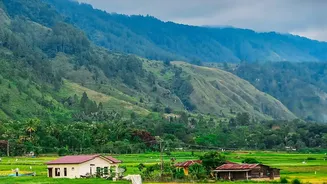
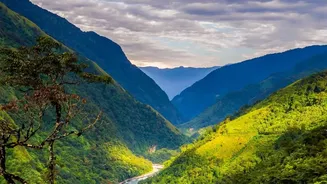
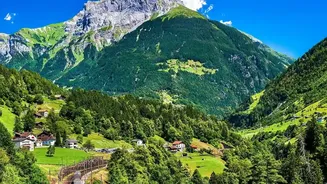
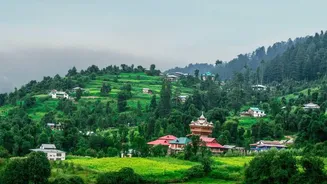
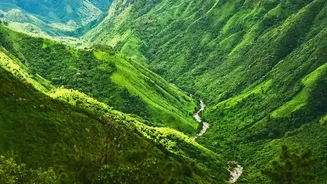
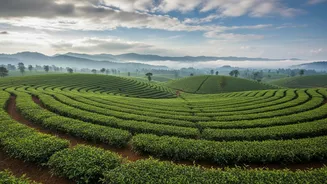
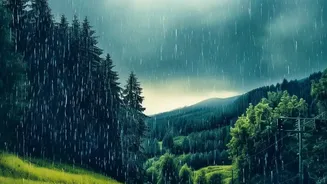
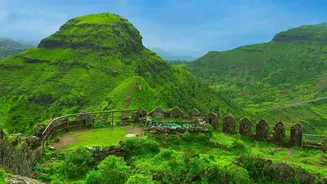
Often called the 'Land of the Dawn-Lit Mountains', Arunachal Pradesh transforms into a vibrant green paradise during the monsoon. The rains breathe life into the state's countless waterfalls, with cascades like Nuranang Falls near Tawang becoming thunderous spectacles. While travel was once discouraged during this season due to potential landslides, improved infrastructure and a growing network of homestays have made it more accessible. The Ziro Valley, a UNESCO World Heritage site nominee, is particularly magical, with its emerald paddy fields shrouded in mist. It’s a time when nature feels incredibly alive, offering a peaceful retreat for those looking to escape the crowded tourist circuits.
Culture and Calm in the Clouds
A monsoon trip to Arunachal isn't just about the scenery; it's a chance to experience its culture more intimately. With fewer tourists, you can explore iconic sites like the Tawang Monastery, India's largest, in relative peace. The season is also dotted with local festivals, such as the Dree Festival of the Apatani tribe in July, offering a colourful window into ancient traditions. The journey itself, through cloud-covered passes and past gushing rivers, becomes part of the adventure. The weather creates a cosy atmosphere, perfect for enjoying the warmth of local hospitality, trying regional delicacies, and sipping butter tea while the rain drums down outside.
Nagaland: Emerald Hills and Unfiltered Tradition
Nagaland, a state known for its fierce cultural pride and dramatic landscapes, offers a different but equally compelling monsoon experience. The famed Dzukou Valley, straddling the border with Manipur, becomes a carpet of wildflowers during the rainy season, making it a dream for trekkers who don't mind a little mud. The rolling hills surrounding Kohima and the villages of Khonoma offer breathtaking views of mist-filled valleys. While the Hornbill Festival in December is Nagaland's main draw, the monsoon provides a quieter, more authentic encounter with its people and traditions. Travel is slower, allowing for more meaningful interactions in village homestays and local markets.
A Monsoon Trip Planner's Guide
While the idea of a monsoon adventure is romantic, a trip to these states requires practical planning. Heavy rains can cause travel disruptions, so flexibility is key. Opt for sturdy SUVs with experienced local drivers who know the terrain. Packing is crucial: waterproof jackets, quick-dry clothing, and reliable trekking shoes are non-negotiable. It's also vital to check road conditions and weather advisories before and during your trip. While some remote areas may become inaccessible, the main circuits to popular destinations like Tawang, Ziro, and Kohima are generally manageable. The reward for this careful planning is witnessing a side of the Northeast that many travellers miss—raw, rejuvenated, and utterly spectacular.