



More Than Just Steps
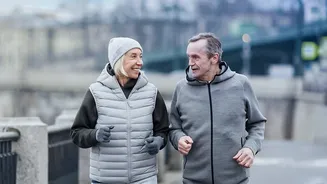
At first glance, it’s just people walking. But dig a little deeper, and you’ll find a quiet revolution in wellness. In cities like Delhi, Mumbai, and Bengaluru, thousands are joining organised walking clubs that are less about hitting a step count and more
about finding a community. These groups, often coordinated through WhatsApp or Instagram, transform the simple act of walking into a shared social experience. They provide a structured yet informal setting for people to connect, talk, and explore their own cityscapes together, turning a mundane exercise into an anticipated social event. This shift reflects a broader trend where fitness is evolving from a solitary task into a communal activity.
An Antidote to Urban Loneliness
Life in a big city can be isolating. Many people who migrate for work or education find themselves disconnected from the tight-knit communities they left behind. Studies show a significant portion of India's urban population experiences loneliness. Social walking groups have become a powerful antidote. They offer what online interactions often can't: genuine, face-to-face connection in a low-pressure environment. There's no agenda other than to walk and talk. This creates a space where friendships can form organically, helping individuals rebuild the sense of belonging that is often lost in the anonymity of metropolitan life.
Accessible Wellness for Everyone
One of the biggest drivers of this trend is accessibility. Unlike high-intensity training or gym memberships that require significant financial investment and a certain level of fitness, walking is free, requires no special equipment, and is adaptable to nearly all fitness levels. Research consistently shows that walking, especially in groups, has wide-ranging health benefits, including reduced blood pressure, lower body fat, and improved mental well-being with lower rates of depression. This democratic approach to fitness makes it an appealing alternative for a wide demographic, from students to working professionals and retirees, who are seeking sustainable health routines without the high cost or intimidation factor of traditional fitness centres.
Reclaiming Public Spaces, Safely
For many, especially women, safety is a major concern that limits their access to public spaces after dark or in the early morning. Walking in a group provides a tangible sense of security, allowing members to explore their own neighbourhoods with confidence. Groups like 'Women Walk At Midnight' and 'City Girls Who Walk Delhi' are explicitly using walks to reclaim city streets, asserting their right to be present in public spaces at any hour. This aspect of collective safety is not just a side benefit; it’s a core reason why many join. It’s a form of protest and liberation, turning a simple walk into a powerful statement of presence and freedom.
The Post-Pandemic Effect
The COVID-19 pandemic and subsequent lockdowns fundamentally changed our relationship with exercise and socialising. After months of being confined indoors and interacting through screens, there was a collective craving for outdoor activities and real-world community. Walking groups perfectly catered to this newfound need. They offered a safe way to socialise outdoors while being physically active. This period seems to have accelerated a pre-existing shift towards wellness that is less about intense regimes and more about holistic, consistent, and enjoyable habits that support both physical and mental health.