





Bhutta (Corn on the Cob)
Is it truly a monsoon without the smoky aroma of roasted bhutta? This quintessential street-side snack is synonymous with rainy days. While American sweet corn is available year-round, the desi bhutta that floods the markets during the monsoon has a satisfyingly
starchy chew. It's a healthier alternative to deep-fried pakoras, offering comfort without the guilt. Bhutta is rich in fibre, which aids digestion—a common concern during this season—and complex carbohydrates that provide a slow release of energy, helping to combat the sluggishness often felt in damp weather. It's also a source of antioxidants like vitamin C, which can help support your immune system against seasonal illnesses. The simplest preparation is the best: roasted over charcoal and rubbed with a mix of lemon juice, salt, and red chilli powder. At home, you can achieve a similar result by boiling the cobs and then charring them over an open flame before seasoning.
Jamun (Java Plum)
With its deep purple hue and a unique flavour that is at once sweet, sour, and astringent, Jamun is a fleeting treasure of the monsoon. This fruit has a short season, making its arrival all the more special. Traditionally, Jamun is celebrated in Ayurveda for its numerous health benefits. It is particularly noted for its potential to help regulate blood sugar levels, making it a good choice for those managing diabetes. The fruit is a powerhouse of nutrients, including vitamin C and iron, which acts as a blood purifier and helps improve haemoglobin levels. Its antioxidant properties are beneficial for skin and hair health, while its high potassium content supports heart health. Enjoy Jamun fresh with a sprinkle of black salt to balance its tartness, or blend it into a refreshing juice or smoothie. Its vibrant colour and bold flavour also make it a fantastic ingredient for homemade ice creams and desserts.
Patra (Colocasia Leaves)
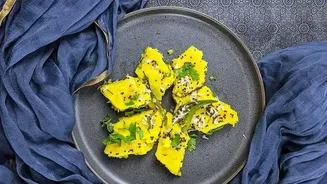
Known as 'arbi ke patte' in the north and used in dishes like 'pathrode' in Karnataka, colocasia leaves are a monsoon delicacy. These large, heart-shaped leaves are used to make Patra, a popular snack in Gujarat and Maharashtra. To prepare it, the leaves are smeared with a spiced gram flour (besan) paste, which often includes tamarind and jaggery for a sweet and sour kick. The coated leaves are then layered, rolled tightly, steamed, and sliced into pinwheels. These steamed rolls can be eaten as is for a healthy snack or tempered with mustard seeds and sesame for extra flavour. For a crispier texture, the slices can be shallow-fried or air-fried. It's crucial to cook colocasia leaves thoroughly to neutralize the calcium oxalate crystals present, which can cause itching in the throat. The result is a complex, flavourful snack that is a true testament to regional culinary ingenuity.
Karela (Bitter Gourd)
Often misunderstood due to its strong bitter taste, Karela is a nutritional powerhouse, especially beneficial during the monsoon. The rainy season can bring a host of infections, and bitter gourd is packed with Vitamin C and antioxidants that help boost the immune system. It also has properties that aid in regulating blood sugar, making it a valuable vegetable for diabetics. Furthermore, it supports digestive health and acts as a natural detoxifier, helping to cleanse the liver, which is crucial when the risk of water-borne diseases is high. For those wary of its bitterness, there are ways to make it more palatable. Salting the chopped vegetable and letting it rest for about 30 minutes before cooking helps draw out some of the bitter juices. You can also pair it with strong flavours like onions, tamarind, or jaggery. A classic preparation is a stuffed Karela, filled with a mix of spices and onions before being pan-fried.
Ambada / Gongura (Roselle Leaves)
Celebrated for its distinctively sour taste, Ambada, also known as Gongura or sorrel leaves, is a staple in many parts of India, particularly in Andhra Pradesh where it is fondly called 'Andhra Maata'. These leaves are used to add a tangy flavour to dals, chutneys, and meat dishes like Gongura mutton. There are two main varieties: one with green stems and another with red stems, with the red-stemmed version being more sour. The leaves are rich in vitamins and are prized for their unique taste. During the monsoon, when heavy meals can feel overwhelming, the sharp, tart flavour of Ambada is refreshing. It's commonly used to make a spicy 'pachadi' (pickle or chutney) by cooking the leaves until mushy and then tempering them with spices. It can also be added to lentil dishes to create a delicious 'khatti dal' that pairs perfectly with hot rice and a spoonful of ghee.