




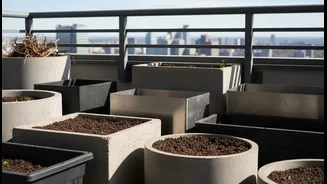
The Green Allure of a Balcony Rain Barrel
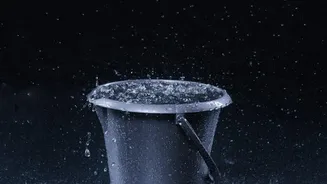
In cities across India, balcony gardens are flourishing, and with them, an interest in rainwater harvesting. Capturing rain is an eco-friendly practice that reduces reliance on municipal water and lowers utility bills. More importantly, rainwater is naturally
soft and free from the chlorine and salts found in tap water, which is much healthier for your plants. For anyone with a small-space garden, a simple barrel or container can provide a sustainable source of high-quality water, turning a compact balcony into a more self-sufficient green oasis. This simple act connects urban dwellers with nature's cycles and promotes a greener lifestyle, one downpour at a time.
The Hidden Dangers of an Overflowing Barrel
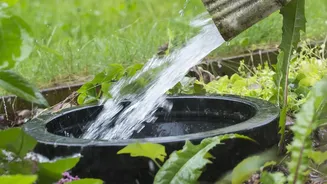
While the intention is good, an improperly managed rainwater barrel can cause significant problems. When a container fills up during heavy rain, the excess water has to go somewhere. Without a designated exit, it will spill over the sides. This overflow can cause serious issues, including water damage to your building's facade, your own flooring, and the apartment below you. Constant dampness can lead to mould, structural damage to concrete or timber, and create safety hazards like slippery floors. It can also lead to disputes with neighbours or your building society, turning your green project into a source of conflict. The weight of a full 55-gallon drum can also be substantial, so ensuring it is on a stable, level surface is critical.
What is a Safe Overflow System?
A safe overflow system is simply a designated escape route for excess water. Instead of letting water spill randomly, an overflow directs it to a safe drainage point, such as a dedicated balcony drain. It’s a proactive measure that prevents water from pooling or running where it shouldn’t. The concept is straightforward: once your barrel is full, any additional water is channelled through a pipe or hose away from vulnerable areas. For most balcony setups, this involves drilling a hole near the top of your container and attaching a fitting that can connect to a hose. This simple modification is the key to a responsible and stress-free rainwater harvesting system.
How to Create Your Overflow: A Simple Guide
Creating a safe overflow is a simple DIY project. You will need a drill, a hole saw bit, a spigot or pipe fitting with a rubber washer, and a hose long enough to reach your balcony drain. First, decide where to place the overflow outlet. It should be near the top of the barrel, a few inches below the rim, to maximize your water storage. Drill a hole that matches the size of your pipe fitting. Insert the threaded end of the fitting from the inside of the barrel, ensuring the rubber washer is on the outside to create a watertight seal. Tighten the nut on the outside. Finally, attach your hose to the fitting and run it securely to the nearest drain. It's recommended to use a hose with a diameter large enough to handle heavy rainfall to prevent backups. You should also cover the main opening of your barrel with a mesh screen to keep out debris and prevent mosquitoes from breeding.
Final Checks for a Worry-Free System
Before you start drilling, it’s wise to check your apartment building's rules regarding balcony modifications. Some societies may have specific guidelines. Ensure your rainwater container is made of food-grade plastic, especially if it was previously used for other contents. Regularly check that your overflow hose is not clogged with leaves or debris, particularly before the rainy season begins. A quick inspection can prevent a major headache later. It’s also good practice to make sure the barrel itself is stable and on a level surface; cinder blocks can provide a sturdy, elevated base. If you have multiple containers, you can even connect the overflow from one barrel to the inlet of another to increase your storage capacity.