


More Than Just Copying
When a parrot imitates a sound, it's engaging in a sophisticated behaviour known as vocal production learning. This is the ability to modify vocal output based on auditory experience, and it's a rare talent in the animal kingdom. While other animals are born
with a fixed set of calls, vocal learners like parrots, songbirds, hummingbirds, and a few mammals including humans, must learn their sounds. Parrots, however, are exceptional even within this exclusive group, demonstrating a flexibility that allows them to imitate a vast range of sounds, including the complexities of human speech. This goes beyond simple repetition; studies on parrots like the famous African Grey, Alex, showed they can associate words with meanings, demonstrating a degree of comprehension.
A Uniquely Wired Brain
The secret to the parrot's ability lies in its brain. Unlike humans who use a larynx, parrots produce sound using a vocal organ called the syrinx. But the real difference is in the neural wiring. Research has revealed that parrot brains have specialized structures for vocal learning that are distinct from those in other vocal-learning birds. Scientists have identified a 'song system' with a unique two-layered structure: a 'core' and a 'shell'. It's believed this 'shell' region, which is larger in parrot species known for better mimicry, provides the enhanced flexibility needed to produce such a wide variety of sounds. This neurological setup has striking parallels to the brain regions that control speech in humans, a fascinating case of convergent evolution where distantly related species independently develop similar traits.
Why Learn to 'Talk'?
The evolutionary drive behind this remarkable skill is closely tied to the parrot's intensely social nature. In the wild, vocal learning is crucial for communication within a dynamic flock. Parrots use learned calls to maintain social bonds, identify individuals, and navigate their complex social world. Some species even appear to assign unique signature calls, or 'names', to their offspring. When a parrot lives with humans, it essentially sees its human family as its flock. Its attempts to mimic our speech are a natural extension of its instinct to bond and fit in with its social group. The more enthusiastic or emotionally charged a word or phrase is, the more likely a parrot is to pick it up, seeing it as an important social signal.
A Spectrum of Skill
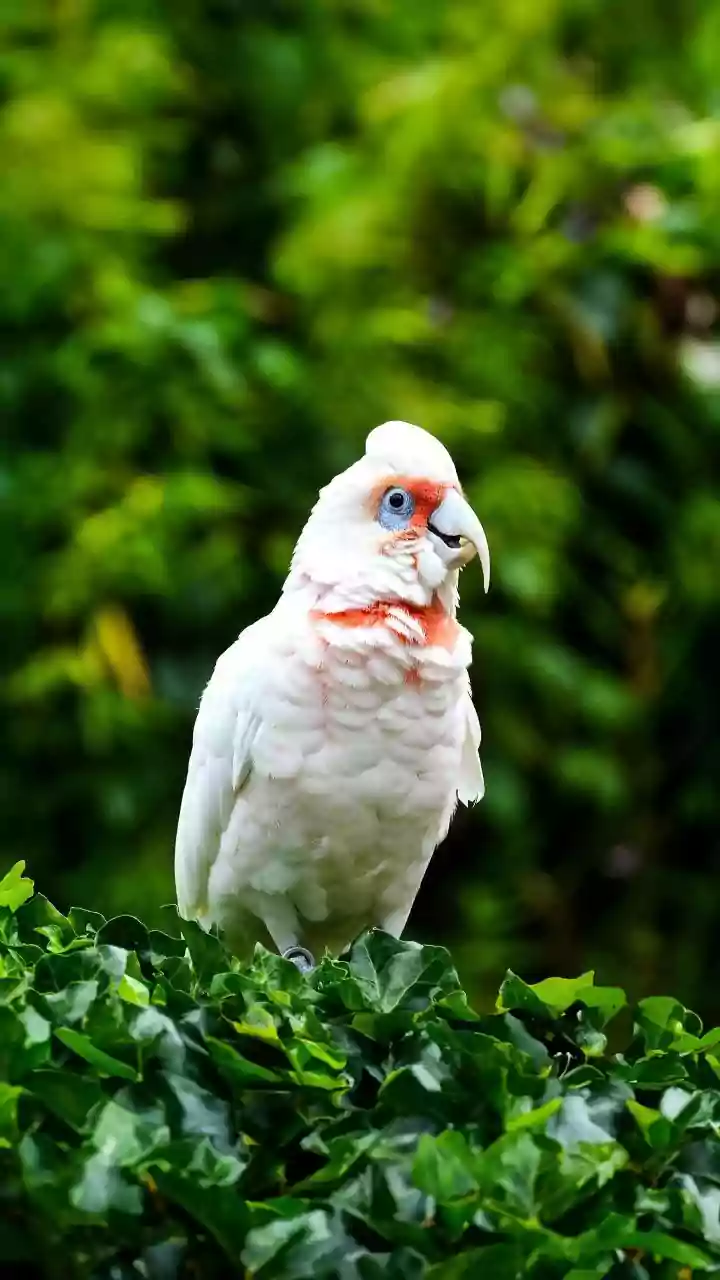
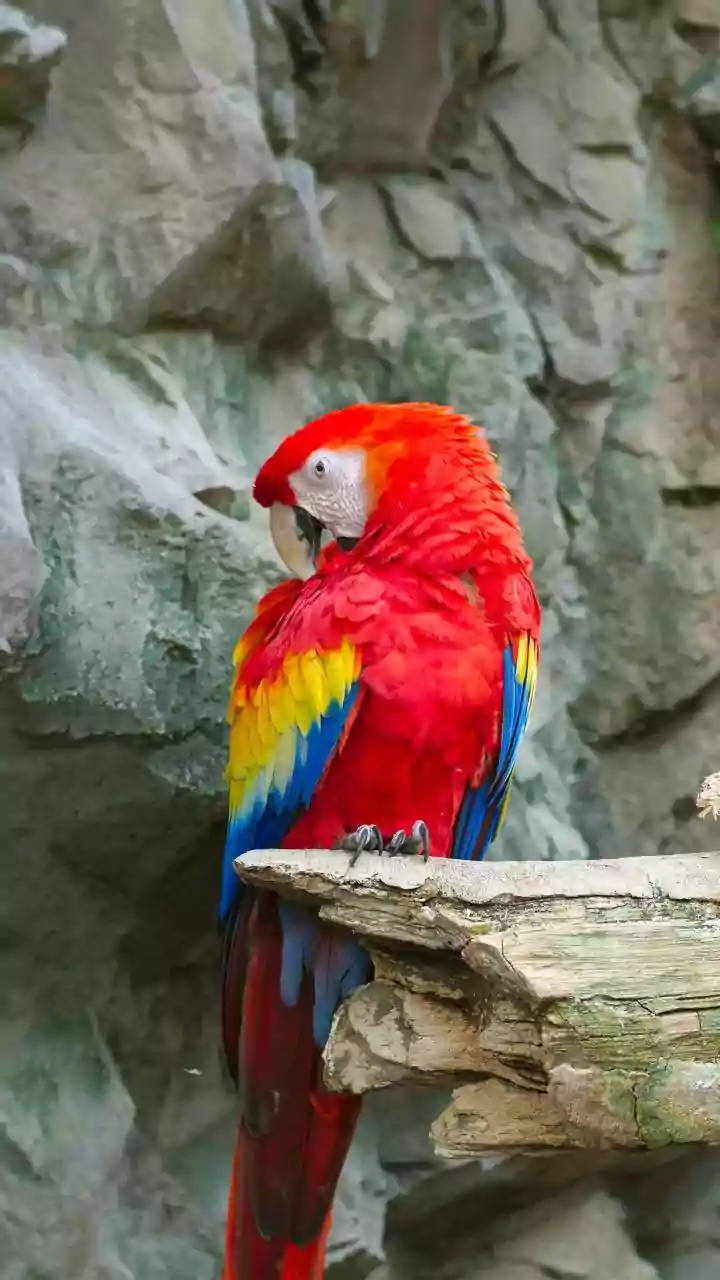
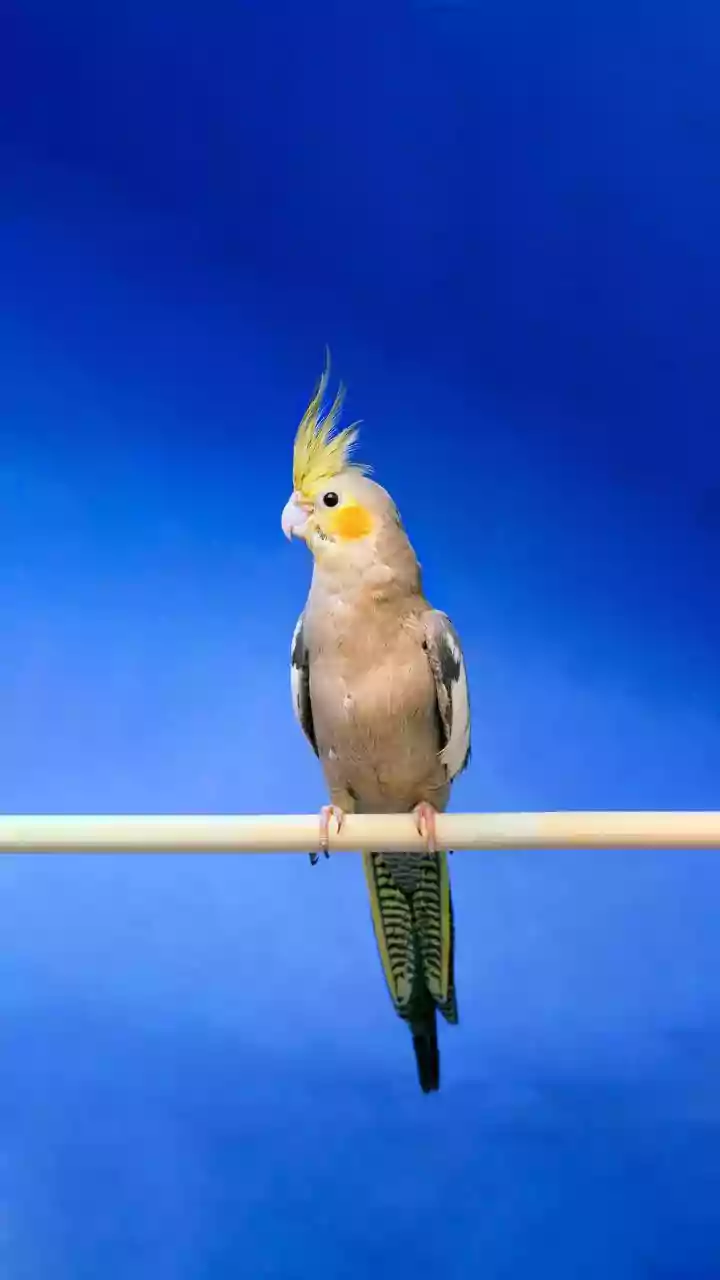
Not all parrots are created equal when it comes to talking. Research based on owner surveys has shown that species like the African Grey parrot have, on average, the largest vocabularies, with some individuals learning hundreds of words. Other species like Amazon parrots, macaws, and cockatoos are also excellent mimics. However, there is extreme variability even within a single species, which is influenced by factors like the amount of social interaction and training the bird receives. Some smaller species, such as cockatiels, may be more adept at mimicking whistles and electronic sounds rather than spoken words. Ultimately, the ability is rooted in a combination of innate brain structure and the social environment that encourages learning.
What Parrots Teach Us About Ourselves
The study of parrot vocalization does more than just reveal the genius of birds; it offers a unique window into the evolution of complex communication, including our own. The finding that parrots and humans have analogous brain pathways for vocal learning suggests that nature has found similar solutions to the challenge of producing flexible, learned sounds. By studying how a parrot's brain controls its vocal output—mapping specific neural patterns to different sounds like a 'vocal keyboard'—scientists can better understand the fundamental principles of motor control for speech. This research establishes the parrot as a vital animal model for investigating speech and could one day inform new approaches for addressing human communication disorders.