






Beyond Just Counting Grams
In the world of fitness and health, hitting your daily protein number often feels like the ultimate goal. Whether it's for building muscle, managing weight, or recovering from a workout, the focus has long been on quantity. However, the conversation is
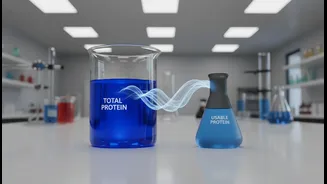
now evolving. The source of your protein matters immensely because not all proteins are created equal in the eyes of your body. The concept is called bioavailability, and it refers to how efficiently your body can digest, absorb, and actually use the protein you eat. Simply put, the number of grams on a nutrition label doesn't tell the whole story; it's what your body can put to work that truly counts.
The Amino Acid Puzzle
Proteins are made up of building blocks called amino acids. There are 20 in total, and nine of them are considered 'essential' because our bodies can't produce them—we must get them from food. Animal-based proteins like meat, eggs, and dairy are typically considered 'complete' proteins because they contain all nine essential amino acids in sufficient amounts. Most plant-based proteins, on the other hand, are often 'incomplete,' meaning they are low in one or more of these essential amino acids. For example, beans are often low in the amino acid methionine, while grains can be low in lysine. This doesn't make plant proteins inferior, but it does mean a bit more strategy is needed to get the full spectrum of amino acids.
DIAAS: A New Way to Measure Quality
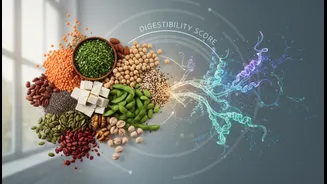
To better measure how useful a protein source is, scientists have developed a more advanced scoring system. For years, the standard was the Protein Digestibility Corrected Amino Acid Score (PDCAAS). But experts now favour a newer method called the Digestible Indispensable Amino Acid Score (DIAAS). Unlike its predecessor, DIAAS measures the digestibility of each individual essential amino acid in the small intestine, which is where absorption actually happens. This gives a more accurate picture of a protein's true nutritional value. Scores are given as a percentage, with anything over 100% being excellent. This more precise method shows that while dairy proteins like whey score very high, many plant proteins score lower, highlighting the differences in quality.
Animal vs. Plant: What's the Difference?
Generally, animal proteins have higher bioavailability and a more complete amino acid profile. Sources like whey protein, eggs, milk, and chicken are easily digested and contain all the essential amino acids your body needs for muscle repair and other vital functions. Plant-based proteins from sources like lentils, chickpeas, and beans are fantastic for health, packed with fibre and other nutrients, but they are often less digestible. For instance, a study might show that animal proteins have a more potent immediate effect on muscle synthesis because of their higher quality and leucine content. However, this doesn't mean you can't thrive on a plant-based diet. It just requires a smart approach.
Making Your Protein Count
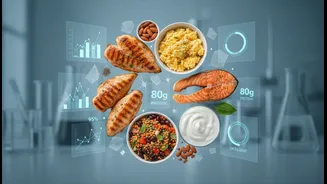
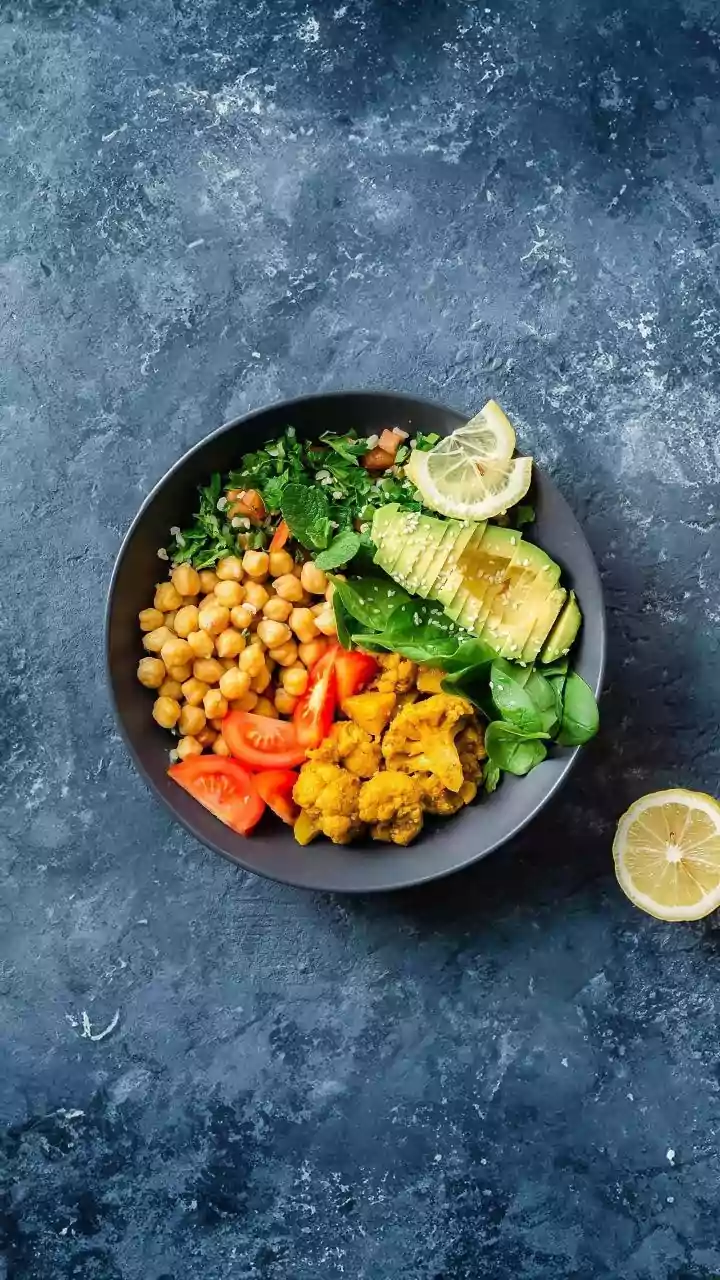
So, how do you apply this knowledge? If you eat animal products, including a variety of sources like chicken, fish, eggs, and dairy will ensure you get high-quality protein. For those on a vegetarian or vegan diet, the key is protein combining. By eating a wide range of plant foods throughout the day, you can get all the essential amino acids. For example, combining grains with legumes—like rice with dal or chickpeas with roti—creates a complete amino acid profile. Soy products like tofu and tempeh, and grains like quinoa, are also excellent plant-based sources as they are considered complete proteins. The goal isn't to demonise any food group, but to be mindful of your choices to build a diet that truly nourishes your body.