
The Comforting Tradition of Steam
For generations, steam inhalation has been a go-to method for tackling the discomfort of a stuffy nose and sinus pressure. The logic feels simple and intuitive: breathing in warm, moist air seems to help loosen mucus, soothe irritated nasal passages,
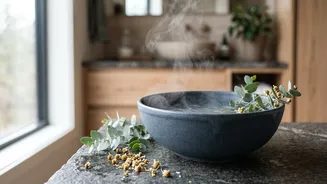
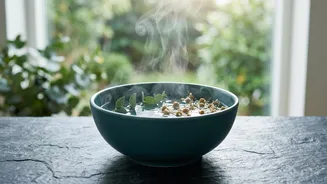
and make breathing easier. Often, household herbs like mint or essential oils such as eucalyptus are added to the water, enhancing the sensory experience and belief in its restorative properties. This practice is valued for being a medication-free, accessible, and inexpensive way to find temporary relief from the miserable symptoms of colds, allergies, and mild sinus infections. The warm moisture is believed to thin out thick mucus, helping it drain and thus relieving that painful feeling of pressure in the face and head.
Does It Actually Work?
While many people report feeling better temporarily after inhaling steam, the scientific evidence supporting its effectiveness is surprisingly weak. Studies have shown that while the warm air can provide short-term, subjective relief, it doesn't actually cure the underlying infection or shorten the duration of a cold. Steam inhalation does not kill the viruses or bacteria causing the infection. Some research even suggests that for chronic sinus issues, there is no significant benefit at all. One study found that steam helped reduce headache symptoms but had no major effect on other sinus-related problems. Therefore, medical experts increasingly view steam inhalation as a comfort measure rather than an effective treatment. It makes you feel better for a little while, but it isn’t fixing the root problem.
The Overlooked Danger: Severe Scalds
The most significant issue with the traditional 'bowl and towel' method is the high risk of severe burns. Hospitals report seeing a disturbing number of patients, especially young children, with serious scalds every year from accidents involving steam inhalation. These injuries are often not minor. They can be life-changing, requiring hospitalization, skin grafts, and long-term treatment for scarring. Accidents happen in a split second: a child can knock over the bowl, or an adult can slip, spilling boiling water onto their lap, thighs, abdomen, and chest. Children are particularly vulnerable because their skin is thinner and they may not be aware of the danger. Burns specialists have noted sharp increases in these preventable injuries, especially during cold and flu season and following periods of misinformation suggesting steam can prevent viruses.
What Doctors Recommend Instead
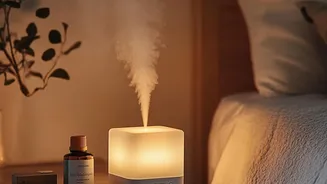
Given the high risk of burns and the limited evidence of benefit, many medical professionals and health organisations now actively discourage the practice of inhaling steam directly from a bowl of hot water. Instead, they recommend safer and more effective ways to manage sinus congestion. Saline nasal sprays or rinses (like with a neti pot) are widely recommended to flush out mucus and allergens without the risk of burns. Staying well-hydrated by drinking plenty of fluids helps to thin mucus naturally from the inside out. Using a humidifier or a vaporiser can add moisture to the air in a room, which helps soothe dry passages safely. Applying a warm compress to the face can help ease sinus pressure, and over-the-counter decongestants or pain relievers can also be effective.
If You Must Use Steam, Prioritise Safety
If you still choose to use steam, it is crucial to abandon the dangerous bowl-and-towel method. A much safer alternative is to sit in the bathroom while a hot shower is running, allowing the room to fill with steam. This provides the same moist air without the risk of spilling boiling water on yourself. Another option is to use a personal electric steam inhaler or facial steamer, which is designed to control the temperature and reduce the risk of spills. When using any method, never use boiling water, as the steam itself can be hot enough to cause thermal injury to your sensitive nasal passages. Keep a safe distance, and never leave a child unattended near hot water. The potential for a devastating burn is simply not worth the temporary relief.