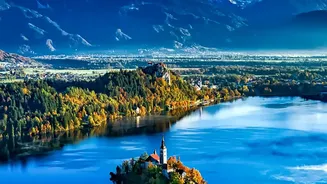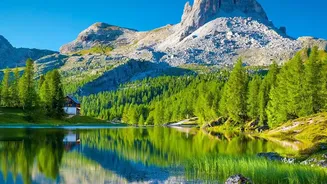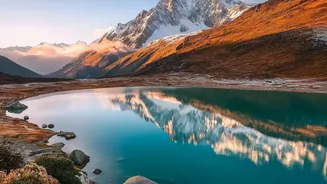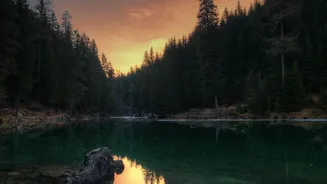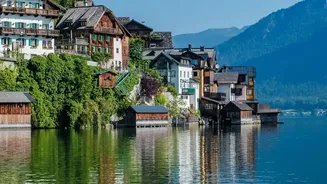



Slovenia is a land of fairytale landscapes, and nowhere is this more true than in its collection of Alpine lakes. From the iconic island church of Lake Bled to the wild heart of Triglav National Park, these turquoise waters offer a perfect escape.
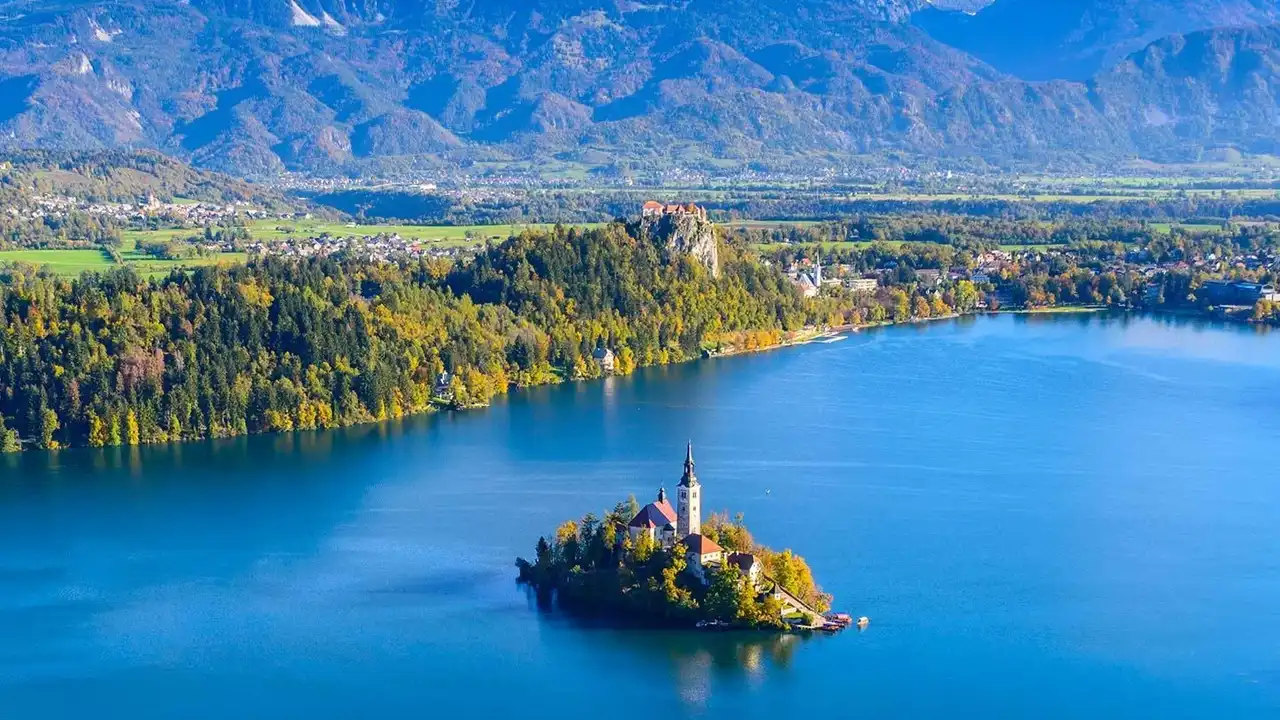
Lake Bled: The Unforgettable Icon
No trip
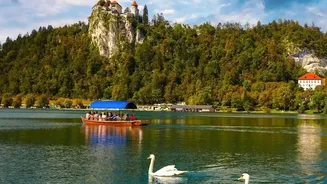
to Slovenia is complete without visiting Lake Bled. This glacial lake, with its church-topped island and medieval castle perched on a cliff, is the country's most famous image for a reason. The most traditional way to reach Bled Island is by a 'pletna', a traditional wooden boat rowed by a standing oarsman. Once on the island, you can climb the steps to the Church of the Assumption and ring the wishing bell. For the best panoramic photos, visit Bled Castle, the oldest in Slovenia, which offers sweeping views from its terraces. The 6-kilometre path around the lake is perfect for a gentle walk or cycle, and on warm days, designated areas invite you for a refreshing swim. Don't leave without trying the local specialty, the Bled cream cake or 'kremšnita'.
Lake Bohinj: The Wild Heart of the Alps
Just a 30-minute drive from Bled lies Lake Bohinj, its larger, wilder, and more serene sibling. Nestled deep within Triglav National Park, Bohinj is a paradise for outdoor enthusiasts. Here, the focus shifts from romantic strolls to genuine adventure. You can hire a kayak, canoe, or paddleboard to explore the vast, clear waters. The area is crisscrossed with hiking trails for all abilities, from a leisurely 12km walk around the lake to more challenging ascents. Two must-see natural wonders are nearby: the impressive Savica Waterfall, which feeds the lake, and the Mostnica Gorge with its crystal-clear pools and unique rock formations. For a truly breathtaking perspective, take the cable car up to Mount Vogel for spectacular views of the entire Julian Alps.
Lake Jasna: The Scenic Stopover
Located near the ski resort town of Kranjska Gora, Lake Jasna is a stunning photo opportunity you won't want to miss. It consists of two interconnected, small artificial lakes at the foot of the dramatic Vršič Pass. While not a destination for a full day, it’s the perfect place to stop for an hour. The turquoise water, white pebble beaches, and backdrop of the Prisank and Razor mountains are magnificent. A wooden boardwalk circuits the lakes, leading to a viewing platform and the famous bronze statue of the Zlatorog, a mythical golden-horned ibex. The water is cold but swimmable, making it a popular spot for a quick, invigorating dip in the summer.
Triglav Lakes Valley: A Hiker's Dream
For serious hikers, the Triglav Lakes Valley, also known as the Seven Lakes Valley, offers one of the most iconic treks in the Julian Alps. This high-altitude glacial valley is dotted with a series of stunning mountain lakes, each with its own character. This is not a casual walk; reaching the valley requires a challenging ascent and proper preparation. Hikes can be done in a long single day (around 8 hours) or as a multi-day trip, staying overnight in one of the mountain huts, like the classic Koča pri Triglavskih jezerih. The landscape is a mix of pristine lakes, lunar-like karst terrain, and rich alpine flora. Note that swimming in these protected lakes is forbidden to preserve their fragile ecosystem.
Planning Your Route
Slovenia is a compact country, making it relatively easy to travel between these Alpine wonders. Renting a car provides the most flexibility, especially for reaching trailheads like Planina Blato for the Seven Lakes Valley. However, public transport is excellent, particularly between the main hubs. Ljubljana, the capital, serves as a great base, with frequent direct buses to both Lake Bled and Lake Bohinj. A regular and affordable bus service also runs between Bled and Bohinj, making a day trip between the two incredibly simple. The best time to visit is from late spring to early autumn. Summer offers warm weather perfect for swimming and hiking, while autumn brings stunning fall colours with fewer crowds.