

A Fragile Paradise Under Pressure
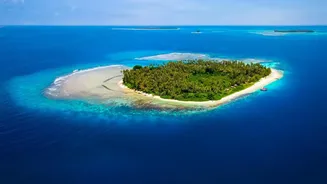
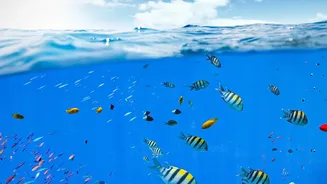
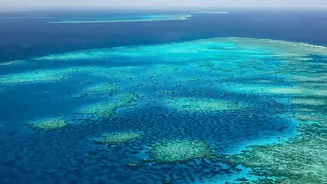
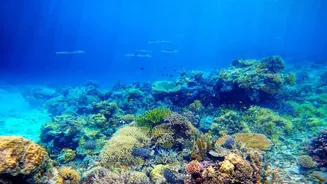
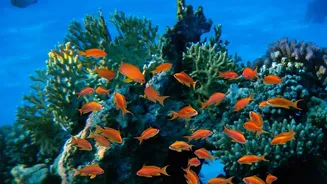
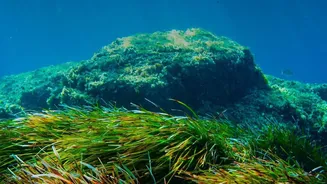
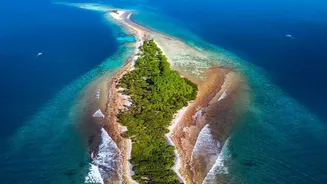
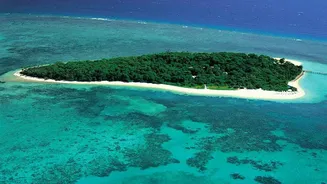
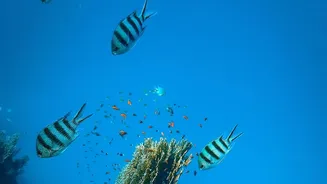
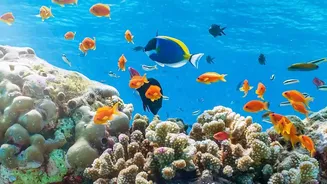
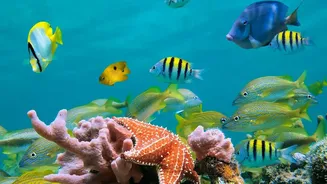
The Lakshadweep archipelago, a string of 36 coral atolls in the Arabian Sea, is a biodiversity hotspot. Its lagoons and reefs are home to over 600 species of fish, 100 species of coral, and countless other marine organisms. This vibrant ecosystem, however,
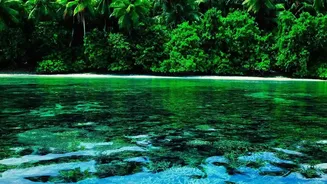
is incredibly fragile. The pressures of tourism, if left unchecked, pose a significant threat. Activities like boating, anchoring, and even tourists walking in shallow waters can physically destroy the delicate coral structures. Furthermore, pollution from waste and chemical-laden sunscreens can lead to coral bleaching and contaminate the pristine waters, affecting everything from tiny fish to large sea turtles. Studies have even found microplastics in the local fish population, signaling the far-reaching impact of human activity.
A Blueprint for Protection
Recognizing these threats, the Lakshadweep administration has implemented a robust set of sustainable travel guidelines designed to balance tourism with conservation. A cornerstone of this strategy is controlled tourism; unlike many destinations, Lakshadweep limits the number of visitors through a mandatory entry permit system. This prevents the sheer volume of people from overwhelming the islands' infrastructure and ecosystems. Another critical rule is the complete ban on single-use plastics, a measure that directly combats marine pollution and keeps the beaches and lagoons clean. These rules are part of a broader ecotourism policy that aims to create a sustainable model for development in the region.
Guarding the Coral Gardens in Practice
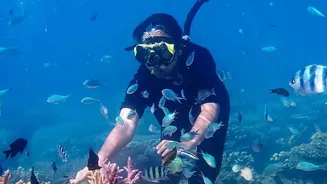
The guidelines translate into direct protection for the underwater world. For instance, water sports like scuba diving and snorkeling are managed with strict rules to prevent harm to marine life. Operators provide training on responsible diving, teaching visitors not to touch or trample the living corals. Rather than dropping destructive anchors onto the reef, boats are required to use designated mooring buoys. To combat chemical pollution, travelers are encouraged to use reef-safe sunscreens. Waste management systems on the islands are designed to handle refuse responsibly, preventing it from ending up in the sea. These measures collectively reduce the stress on the coral reefs, which are already battling the effects of climate change-induced bleaching.
A Community-Wide Commitment
The success of these guidelines doesn't just rely on enforcement but on the active participation of the local community. The islanders, whose lives and livelihoods are deeply connected to the sea, are natural stewards of the environment. Many ecotourism initiatives are community-based, ensuring that the economic benefits of tourism are shared locally and that there is a vested interest in conservation. Tour operators and guides are trained in sustainable practices, educating visitors on how to interact with the environment respectfully. This collaborative approach, sometimes referred to as a 'People, Public, and Private Partnership' (P4) model, ensures that everyone, from government bodies to individual residents and private businesses, is working toward the same goal.
A Model for Conscious Travel
Lakshadweep's approach to tourism is increasingly seen as a blueprint for other ecologically sensitive destinations. By prioritizing the health of its ecosystem over mass tourism, the islands are ensuring their long-term viability as a pristine natural wonder. The National Green Tribunal (NGT) reinforces this by mandating that all tourism projects operate within the islands' carrying capacity and adhere to strict environmental safeguards. While challenges like enforcement and climate change remain, the comprehensive strategy offers a powerful lesson: with thoughtful planning and a shared sense of responsibility, tourism can be a force for good, providing livelihoods while actively protecting the very beauty that draws visitors in the first place.