


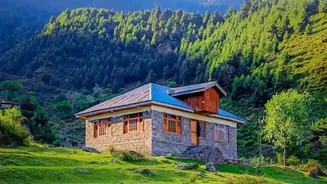

The Allure of a Monsoon Escape
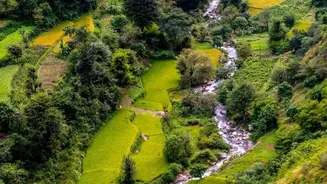
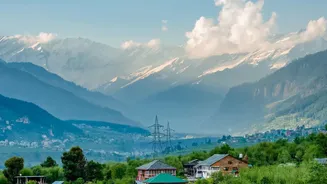
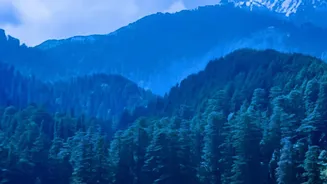
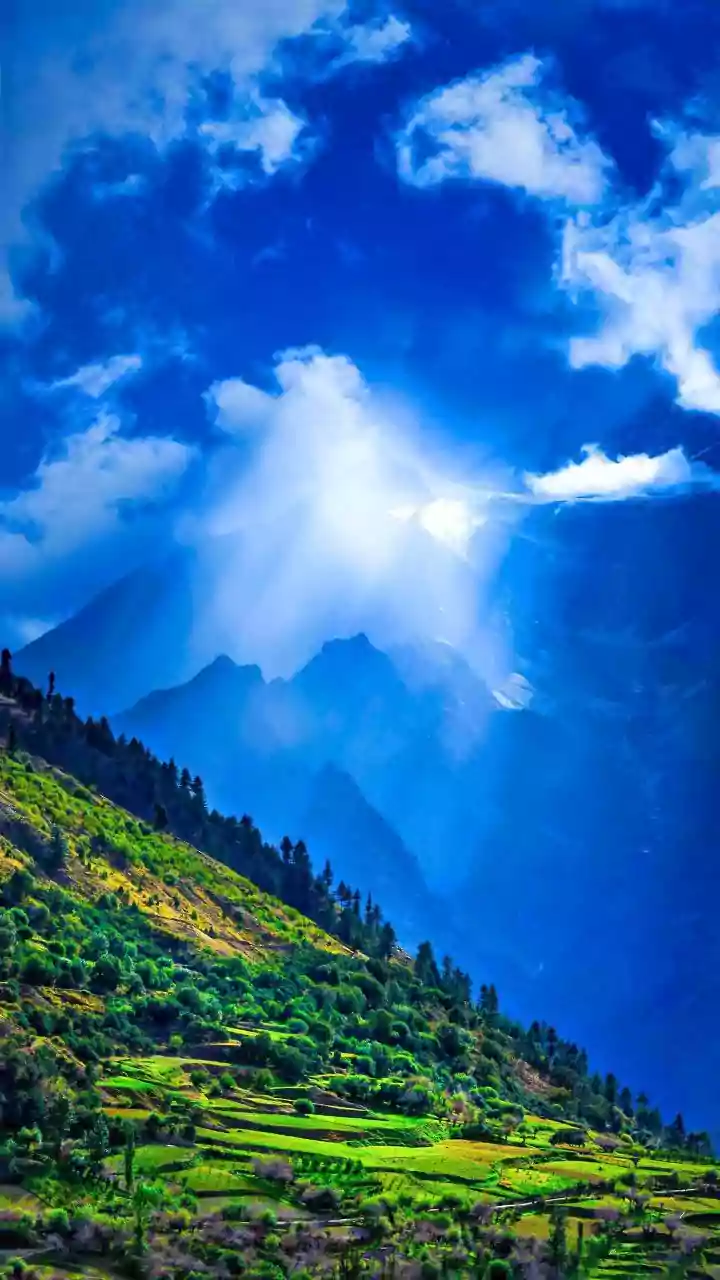
Unlike crowded destinations like Shimla or Manali, Tirthan Valley remains relatively peaceful, and the monsoon amplifies its charm. The rain washes the landscape clean, leaving behind vibrant shades of green, forests filled with mist, and the soothing
sound of the gushing Tirthan River. This season is for travellers who appreciate slow travel, quiet mornings, and the dramatic beauty of the mountains veiled in clouds. While the summer months are popular for trekking and fishing, the monsoon offers a different kind of magic—a chance to see nature at its most powerful and serene. However, visiting during this time requires some planning; it's wise to check road conditions before travelling and pack for wet weather, as landslides can cause delays.
Gushaini: A Tranquil Riverside Base
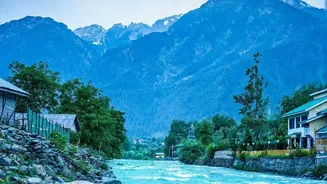
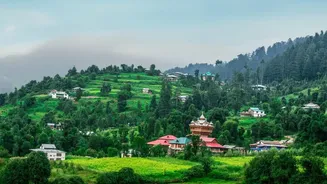
The village of Gushaini serves as a perfect entry point to the valley’s wonders. Situated on the banks of the Tirthan River, it offers a peaceful retreat with numerous traditional homestays. In the monsoon, the river swells, and its roar becomes a constant, calming soundtrack to your stay. While heavy rains might pause more strenuous activities, the periods in between are perfect for gentle walks through the village and surrounding forests. It's an ideal spot to relax with a book by the window, watch the rain fall over the orchards, and simply disconnect. Gushaini is also the gateway to the Great Himalayan National Park (GHNP), a UNESCO World Heritage Site, although core zone treks are often restricted during peak monsoon for safety.
Jibhi: Waterfalls and Cozy Cafes
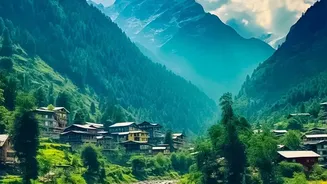
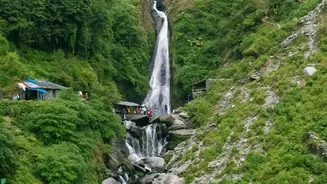
A short drive from the main valley, Jibhi is a picturesque hamlet known for its charming wooden houses and a slightly more bohemian vibe. During the monsoon, the Jibhi Waterfall, a popular attraction, is at its most spectacular. A short hike through a dense, mossy forest leads you to the roaring cascade—a truly refreshing sight. The village itself, with its cluster of welcoming cafes, becomes a haven on rainy days. You can spend an afternoon sipping hot tea, trying local Himachali food, and watching the mist roll through the pine and deodar trees. While Jibhi can be a destination in itself, it also serves as a great day trip from other parts of Tirthan Valley.
Chehni Kothi: A Hike into History
For a dose of culture and history, a hike to Chehni Kothi is a must. This impressive tower, a remarkable example of traditional Kath-Kuni architecture, is the tallest free-standing structure in the Western Himalayas. The trek to the tower, which starts near Jibhi, takes you through small villages and apple orchards, offering stunning views of the valley below. During the monsoon, the path is lush and green, though it's best attempted on a day with no heavy rainfall. Reaching the ancient fort-tower feels like stepping back in time and provides a panoramic perspective of the entire region. It’s a rewarding experience that combines physical activity with a glimpse into the rich heritage of the Kullu region.
The Homestay Experience
The true essence of a Tirthan Valley trip lies in its homestays. Rather than formal hotels, the valley is dotted with family-run guesthouses that offer a warm, authentic experience. Staying with a local family allows you to savour home-cooked Himachali meals, learn about the local culture, and get insider tips on the best spots to visit. During the monsoon, this becomes even more valuable. Hosts can provide crucial updates on weather and road safety, and a warm, dry room with a home-cooked meal is the perfect refuge after a day of exploring in the rain. Opting for a homestay on higher ground, away from the immediate riverbank, is often a safer choice during this season.