

The Foundation: Choosing the Right Bread
The first step to an authentic street-style bread pakora is selecting the right kind of bread. Overwhelmingly, vendors and seasoned home cooks opt for standard white sandwich bread. Its soft, uniform crumb and slight sweetness provide the perfect neutral
canvas for the spicy potato filling and savoury gram flour batter. Unlike heartier, whole-grain or artisanal breads, which can be too dense or have a tough crust, simple white bread achieves the desired melt-in-the-mouth texture once fried. Its structure is just sturdy enough to hold the filling without becoming overly dominant, ensuring the final product is a harmonious blend of textures and flavours.
To Crust or Not To Crust?
Walk up to any bustling street food cart, and you'll notice a common practice: the bread crusts are almost always trimmed off. This isn't just for looks; it serves a crucial purpose. Bread crusts are drier and harder than the interior, and they fry up much darker and tougher. Removing them ensures that every bite of the pakora is uniformly soft and tender under the crispy coating. Trimming the crusts also helps in creating a better seal around the filling, preventing the spiced potato mixture from leaking out into the hot oil. While some may see it as wasteful, this step is non-negotiable for achieving the classic, soft texture that defines a true street-style bread pakora.
The Iconic Diagonal Cut
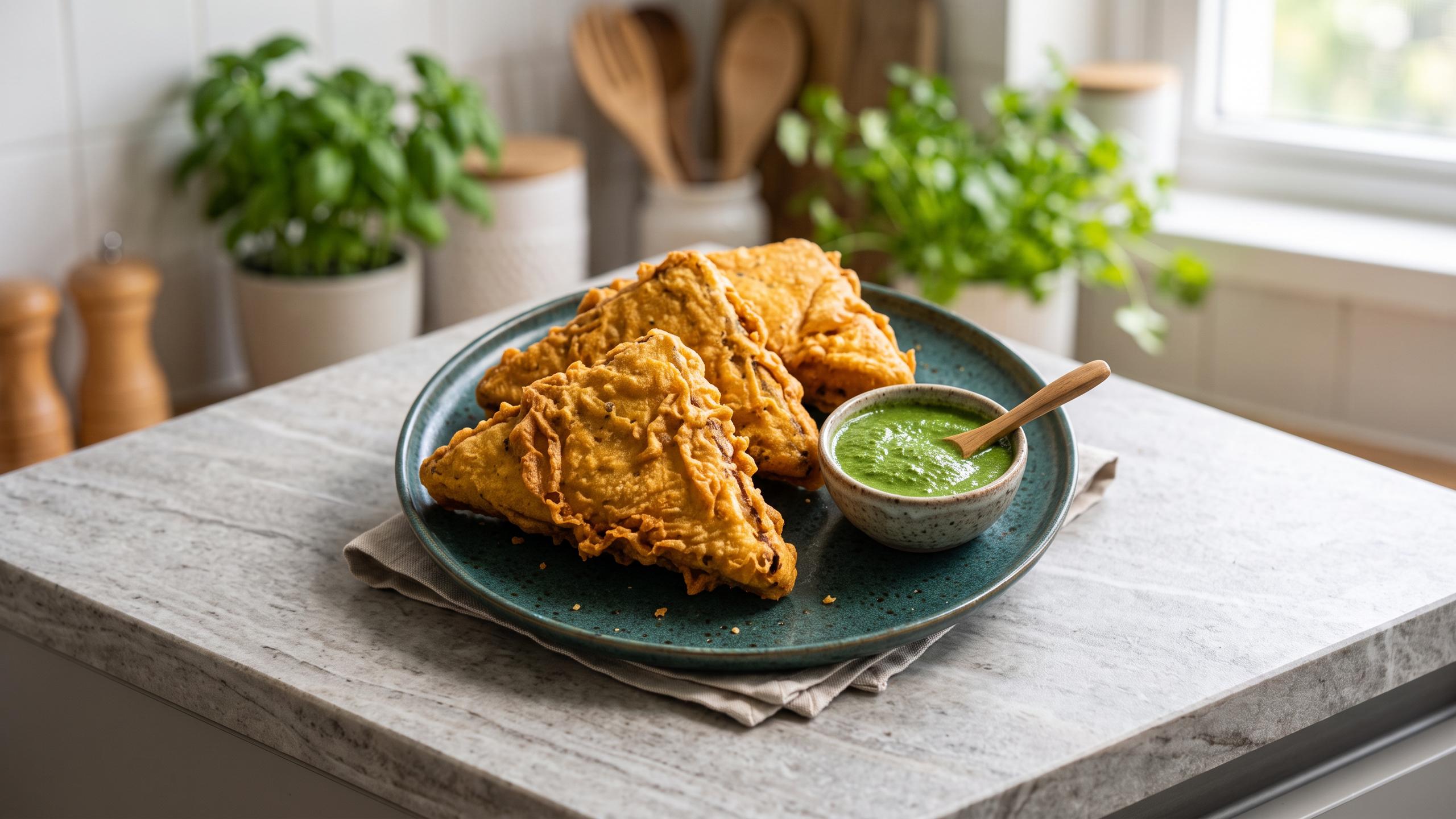
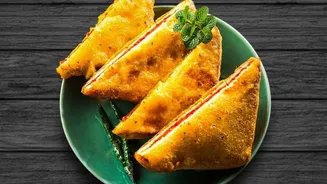
The triangular shape is synonymous with bread pakora. After the sandwich is assembled with its delicious potato filling, it is pressed gently and cut diagonally. This isn't just for aesthetics. The triangle shape is practical for both the vendor and the customer. It creates more surface area for the crispy batter to cling to and makes the pakora easier to handle and eat on the go. Furthermore, the diagonal cut exposes the colourful layers of chutney and filling, making it visually appealing. When dipping the triangle into the batter, this shape also makes it easier to ensure all edges are fully coated and sealed, which is vital for a clean fry.
Assembling and Sealing the Sandwich
The preparation of the bread slice is intrinsically linked to the assembly process. Once one slice is layered with a spicy potato filling, another slice is placed on top to create a sandwich. Before cutting, many vendors apply a thin layer of green chutney or tamarind ketchup on the bread, which adds a layer of flavour and moisture. After placing the top slice, the sandwich is pressed down firmly. This compression is key; it helps the filling adhere to the bread and compacts the sandwich, making it less likely to fall apart during frying. Some vendors will lightly moisten the edges of the bread with a bit of water or the batter itself to help create a stronger seal, ensuring the pakora remains a neat, self-contained parcel.
The Final Dip: Coating with Batter
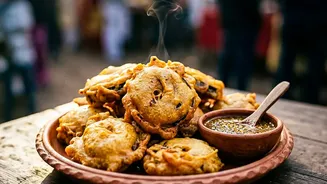
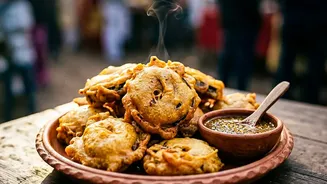
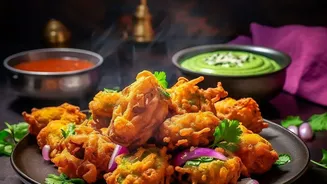
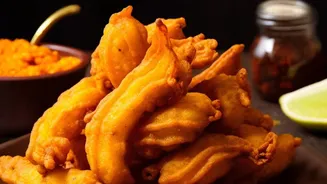
The final step before frying is the dip. The prepared bread triangle is gently submerged in a thick, seasoned gram flour (besan) batter. The consistency of this batter is crucial; it should be thick enough to coat the bread thoroughly without being gloopy, and not so thin that it runs off. The goal is to completely encase the bread, paying special attention to the cut edges to lock in the filling. Many recipes suggest adding a tablespoon of hot oil or a pinch of baking soda to the batter to make the final pakora extra crispy. The coated bread is then carefully slid into hot oil, where it transforms into the golden, crunchy delight beloved across the country.