






1. The 'Too Good to Be True' Discount
Scammers often lure shoppers with deals that are significantly better than what you'd find on any legitimate site, like a brand new smartphone at 80% off. These unrealistic prices are a classic trap designed to create a sense of excitement that overrides
caution. If an offer seems wildly unbelievable, it most likely is. Always compare the price with official brand websites or trusted e-commerce platforms. A quick search will often reveal if the deal is a fraudulent outlier.
2. The Website's URL and Security Padlock
Always inspect the website's address in your browser bar. Scammers create 'lookalike' domains with subtle misspellings or different endings, like '.xyz' instead of '.com'. Look for "https://" at the start of the URL and a padlock icon, which indicate a secure connection. However, even scammers can get these now. So, click the padlock to view the site’s security certificate. If your browser flags the site as not secure, leave immediately. It’s also wise to check the website’s social media pages and see if the URL there matches the one you're on.
3. Pressure Tactics and False Urgency
Fraudulent sites frequently use high-pressure tactics to rush you into making a bad decision. Watch for prominent countdown timers, warnings like "Offer expires in 10 minutes!" or claims of extremely limited stock. These are psychological tricks meant to prevent you from taking the time to scrutinize the offer or the website. Legitimate businesses may have sales, but they rarely employ such aggressive and constant pressure to force an immediate purchase.
4. Poor Grammar and Unprofessional Design
Reputable companies invest heavily in their websites and marketing materials. If a website or promotional email is full of spelling errors, awkward phrasing, or low-quality images, it's a major red flag. Scammers often operate quickly and may use automated translation tools, leading to obvious mistakes. A professional brand will have a polished online presence, whereas a scam site often looks hastily put together.
5. Unusual Payment Methods
Be extremely wary if a website insists on a specific, non-standard payment method. A huge warning sign is the absence of a secure payment gateway and a demand for direct payment via UPI to a personal number, a direct bank transfer, or through gift cards. Legitimate e-commerce sites use integrated, secure payment processors that protect your card details. Scammers prefer untraceable methods, making it nearly impossible to get your money back.
6. Requests for Excessive Personal Information
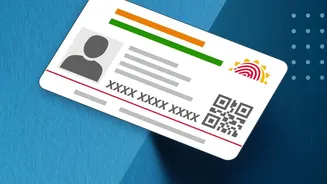
During checkout, a store needs your name, shipping address, and payment details. It does not need your Aadhaar number, date of birth, or email password. Phishing schemes are designed to steal your identity, not just your money. If a site asks for information that seems irrelevant to the purchase, stop and question why. Never provide sensitive personal data that isn't strictly necessary for the transaction.
7. Missing or Fake Contact Information
A trustworthy business will always provide clear and accessible contact information, including a physical address, customer service phone number, and email. Fraudulent websites often have no contact page, or they list fake details. Before buying, try to verify their contact information. A quick search for the company's address or phone number can often reveal if it's a legitimate business or a front for a scam.