



The Crucial Role of September Showers
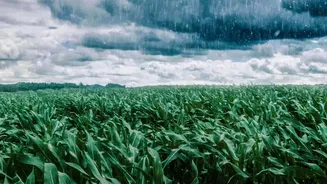
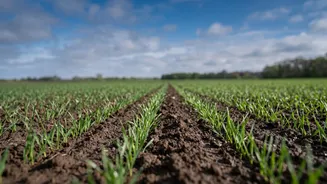
The winter crop cycle in India, which includes essentials like wheat, mustard, and gram, is heavily dependent on the moisture left in the soil by the departing southwest monsoon. Sowing for these rabi crops typically begins in October, right after the monsoon season
officially ends. A healthy spell of rain in September ensures that the soil has enough moisture to support seed germination and early plant growth, especially in regions that are predominantly rain-fed and lack extensive irrigation infrastructure. This final phase of the monsoon essentially acts as a preparatory phase for the next major agricultural season. Without adequate September rainfall, farmers may be forced to delay sowing or switch to less water-intensive crops, impacting both yields and their income.
The 2026 Monsoon: An Uneven Report Card
This year's monsoon has been erratic. After a significant deficit in June, rainfall recovered in July but fell short again in August. As of mid-September, the cumulative rainfall for the season across the country shows a deficit of around 15%. The India Meteorological Department (IMD) has forecast that September rainfall is also likely to be below normal for the country as a whole. The monsoon's withdrawal, which normally begins from west Rajasthan around September 17, is expected to start around September 19 this year. While there is some rain forecast for parts of North India before the retreat begins, it is unlikely to be enough to erase the deep deficits in many key agricultural states.
Reservoirs: The National Water Bank
Beyond immediate soil moisture, September rains are vital for replenishing India's reservoirs, which are the primary source of water for rabi crop irrigation. According to data from the Central Water Commission as of September 10, the water storage in 178 major reservoirs was at about 71% of their total capacity. This is nearly 7% below the long-term average and over 20% lower than the same period last year. The situation is uneven across the country; while levels in western and central India have recovered to near-normal, storage in northern and southern regions remains sharply below normal. For instance, key reservoirs in North India like Bhakra and Pong ended their filling season on September 15 with levels significantly lower than in 2025. This shortfall in the south and north is particularly concerning as these regions rely heavily on reservoir water for winter cultivation.
Key Crops and States on High Alert
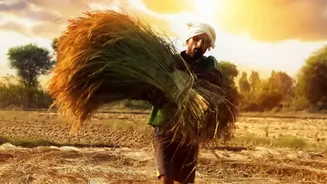
The outcome of September's weather will directly influence the production of wheat, the main rabi cereal, which is crucial for the country's food security. States like Punjab, Haryana, and Uttar Pradesh are the primary wheat growers. While much of this region is irrigated, lower reservoir levels could still pose a challenge. Other important rabi crops include mustard, a key oilseed grown in Rajasthan and Madhya Pradesh, and pulses like gram (chana). An analysis has already flagged crops like cotton, maize, tur, and soybean as vulnerable due to the monsoon's performance. States facing significant rainfall deficits and an uncertain rabi season include Punjab, Haryana, Rajasthan, Bihar, and most of the southern peninsula, including Karnataka, Kerala, Telangana, and Andhra Pradesh.
The Economic Ripple Effect
A weak rabi season could have far-reaching consequences beyond the farm gate. Lower agricultural output could strain rural incomes and potentially lead to moderation in crop sector earnings. This also has a direct bearing on food inflation, which has already been a concern. With kharif (summer crop) output already facing uncertainty due to the patchy monsoon, a poor winter harvest could exert further upward pressure on food prices, affecting household budgets across the country. Economists and policymakers are watching the situation closely, as it will influence everything from rural demand to the Reserve Bank of India's decisions on interest rates. The strengthening El Niño conditions, which typically suppress monsoon rainfall and can lead to warmer winters, add another layer of uncertainty to the outlook.