




Why Gentle Handling Matters
Before you even think about styling, it's crucial to understand the foundation of any great hair look: hair health. Aggressive combing, tight pulling, and improper sectioning can lead to breakage and stress on your scalp and roots. Working with your hair in manageable
sections not only makes styling easier but also ensures you distribute products evenly and detangle knots without causing damage. By adopting a gentle approach, you protect your natural hair, making it a healthier base for any style you choose, especially when adding extensions.
Preparing Your Hair and Extensions
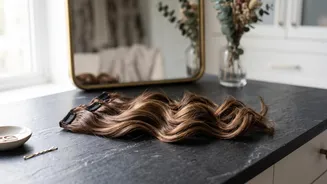
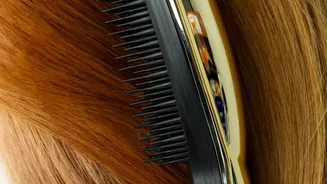
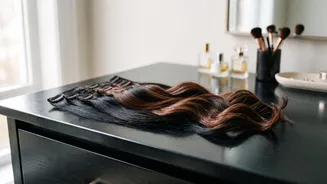
For a flawless application, always start with clean, completely dry, and thoroughly detangled hair. Avoid heavy styling products that might make your hair slippery, which can cause the clips to lose their grip. Give your clip-in extensions a gentle brush-through as well, starting from the ends and working your way up to remove any tangles. A smooth start for both your natural hair and the extensions is the secret to a seamless blend.
Mastering Gentle Sectioning
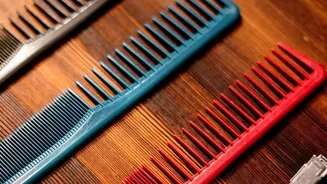
Sectioning doesn't have to be complicated or harsh. You can use your fingers or a pintail comb to create clean, horizontal parts. Start at the nape of your neck, creating a section about an inch high. Clip the rest of your hair up and out of the way. This organised approach prevents tangles and allows you to place wefts strategically. For those with fine or silky hair, a great tip is to gently backcomb the root area where you plan to place the clip or add a spritz of dry shampoo or texture spray. This gives the clips a little extra texture to hold onto, ensuring they stay secure all day long.
Choosing the Right Clip-Ins
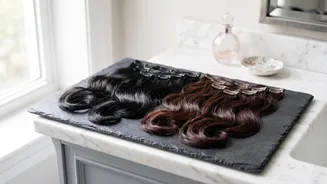
The key to a natural look is choosing the right extensions. For the most realistic blend, opt for 100% Remy human hair, as it can be styled with heat just like your own. Match the colour to the ends of your hair, not the roots, since that is where the extensions will blend. Also, consider the weight. If you have fine hair, a lighter set (around 120g) will add volume without straining your roots. Those with thicker hair can opt for heavier sets (180g or more) to match their natural density.
The Art of Application
Application should be methodical. Start with the smaller wefts at the bottom, near the nape of your neck, and work your way up with wider wefts as you move toward the crown of your head. Open the clips, slide them into the sectioned hair close to the scalp, and snap them shut. You should hear a 'click' confirming they're secure. Leave about an inch of space between each row of wefts to avoid a bulky look. Place the final, smaller pieces on the sides to frame your face, ensuring you don't place any wefts too close to your hairline or part, where they might be visible.
Simple, Fuss-Free Hairstyle Ideas
Once your clip-ins are secure, the styling fun begins. Blending is key, so running a straightener or curling wand through your natural hair and the extensions together can create a unified look. For an easy, everyday style, consider a voluminous low ponytail or a chic half-up, half-down look. Both styles are great for beginners as they expertly conceal the wefts. A messy bun is another fantastic option, as it gathers all the hair together, hiding any clips while creating impressive volume. The goal is to choose styles that are not only beautiful but also comfortable and secure.