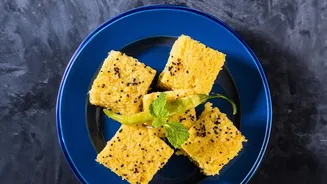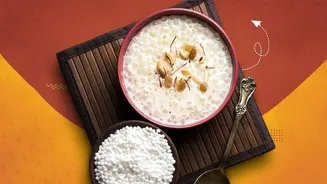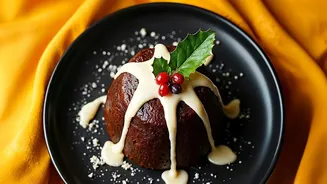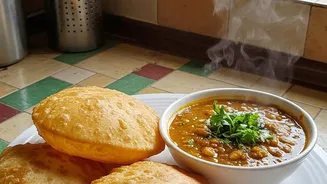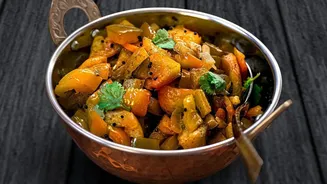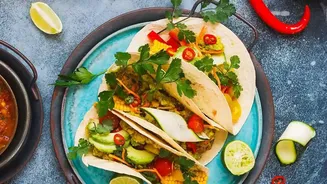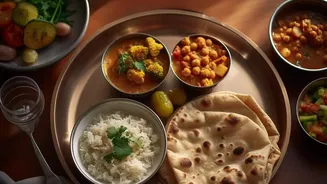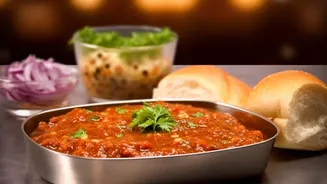

A New Kind of Festive Plate
The heart of Indian festive cooking has always been tradition. It's the taste of your grandmother's kheer, the specific masala blend for a festival biryani, or the ladoos shared between neighbours. This foundation isn't disappearing. Instead, it's becoming
the anchor for a new wave of culinary creativity. The future of festive food isn't about replacement; it's about enhancement. It’s a movement where the comfort of a regional classic meets the surprise of a global twist. This approach, often called 'progressive Indian cuisine', respects the soul of a dish while giving it a fresh expression. The goal is to create something that feels both new and deeply familiar, a plate that tells a story of where we come from and where we are going. Chefs are finding that the most successful innovations are those that retain a point of familiarity for the diner.
Global Meets Local: Delicious Examples
This culinary blend is already appearing in high-end restaurants and, increasingly, in ambitious home kitchens. Imagine Diwali sweets where traditional mithai meets a hint of lavender or rose. Think of a classic Christmas roast in Goa, but the stuffing features spicy chorizo, or a traditional biryani studded with bright green edamame. Chefs are reimagining classics by incorporating global techniques and ingredients. You might find a masala papad made with nixtamalized corn, pasta featuring smoky Bandel cheese instead of ricotta, or even a Basque cheesecake infused with chilli and chocolate. This isn't fusion for the sake of it, but a thoughtful integration where both the Indian and global elements shine. It’s about using modern cooking methods like sous-vide to perfect a lamb shank Nihari or molecular gastronomy to create flavour-packed gels to accompany a simple roasted vegetable.
The Drivers of Culinary Change
Several factors are stirring this pot of change. Global travel and rising disposable incomes have made Indian diners more adventurous and curious about international flavours. This exposure creates an appetite for new experiences, even within the context of traditional celebrations. Social media also plays a huge role. Platforms like Instagram have turned food into a visual medium, encouraging both chefs and home cooks to experiment with presentation and unconventional ingredients that pop on screen. Furthermore, a new generation of Indian chefs is cooking with unprecedented confidence. They are moving away from the old belief that Indian food needs to be simplified for a global audience. Instead, they are proudly showcasing hyper-regional ingredients and complex flavours, using their international training to elevate, not erase, India's diverse culinary heritage.
Authenticity in a Modern World
A key question arises with any evolution: are we losing our authenticity? In this case, the movement seems to be strengthening it. The emphasis is not on generic 'Indian curry' but on specific regional identities. Chefs are championing forgotten grains, local herbs, and produce from specific terroirs, from Himalayan wild foods to coastal Keralan specialities. This trend runs parallel to a growing global appreciation for authentic, story-driven food. Diners today want to know the origin of their ingredients and the history behind their meal. By grounding modern techniques in strong regional roots, chefs are actually making Indian cuisine more diverse and interesting. They are showing that authenticity isn't a rigid museum piece but a living tradition that can absorb new ideas without losing its soul. The consensus is that Indian cuisine is not choosing between global and local; it is choosing both.