






A Breakthrough in Battery Chemistry
Electric vehicle fires, though relatively rare, are a persistent source of anxiety for consumers and a major challenge for manufacturers. The culprit is often the battery's electrolyte, a liquid solution that allows energy to flow but is typically highly
flammable. Scientists have long sought a safer alternative, leading them to solid-state electrolytes, which replace the volatile liquid with a solid material. A recent innovation takes this a step further, creating a solid electrolyte from one of the most abundant materials on earth: wood and plant matter. Researchers have successfully developed a new type of solid-state electrolyte using cellulose nanofibrils, the polymer tubes found in wood and agricultural waste. This material is not only non-flammable but also flexible, addressing the brittleness that has been a problem for other solid electrolytes made from ceramics.
How Waste Creates a Safer Ride
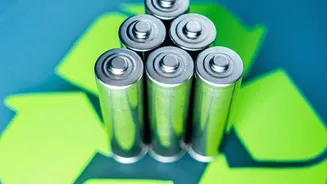
So, how do you turn a plant into a high-performance battery component? The process starts with cellulose, which is a natural polymer. In its raw form, cellulose doesn't conduct the ions needed for a battery to function. The scientific team discovered that by combining these tiny cellulose tubes with copper, they could create spaces between the polymer chains. These newly formed gaps act like 'ion superhighways', allowing lithium ions to move with incredible efficiency—between 10 and 100 times better than other polymer-based conductors. This structure is key to its success. By replacing the flammable liquid electrolyte found in most current lithium-ion batteries, this wood-based conductor eliminates the primary fire risk. It also helps prevent the formation of dendrites, which are tiny, needle-like structures that can grow inside a battery, causing short circuits and compromising performance and safety.
The India Connection: From Crop Fires to Car Power
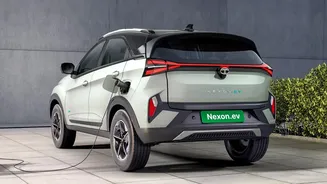
This innovation holds immense potential for India, a country simultaneously pushing for mass EV adoption while grappling with managing vast amounts of agricultural waste. Every year, stubble burning from crop waste contributes significantly to air pollution. This new technology offers a path to upcycle that very waste—materials like rice husks, wheat straw, and bagasse from sugarcane—into a high-value component for the EV industry. It aligns perfectly with national initiatives like 'Make in India' and the drive for a circular economy. Furthermore, incidents of electric scooters catching fire have made Indian consumers particularly sensitive to battery safety. A non-flammable battery, sourced from local agricultural residue, could be a powerful selling point, boosting consumer confidence and accelerating the transition to electric mobility. Using bio-polymers like cellulose, starch, or chitosan is a growing area of sustainable battery research.
The Road from Lab to Highway
While the promise of a wooden battery is exciting, it's important to temper expectations with a dose of reality. The technology, developed by researchers at Brown University and the University of Maryland, is currently at the laboratory stage. Scaling up production from a lab prototype to millions of car batteries presents significant engineering and economic challenges. Competing technologies, such as improved LFP (Lithium-Iron-Phosphate) batteries and other solid-state designs, are also advancing rapidly, with some manufacturers targeting mass-market launches by 2026. The key will be whether this wood-based method can prove its performance, durability, and cost-effectiveness at an industrial scale. The journey from a scientific paper to a vehicle on the road is often long, but this breakthrough represents a critical and promising step toward a new generation of battery technology.