






The Monsoon's Secret Bounty
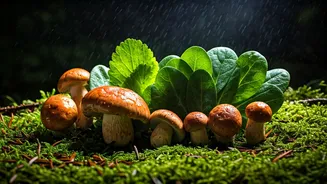
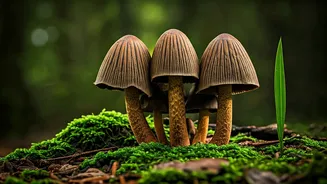
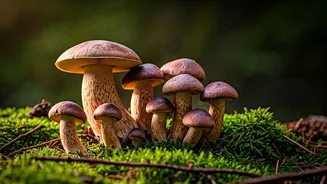
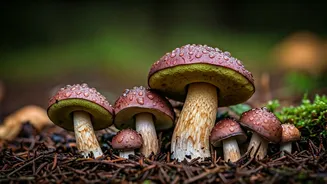
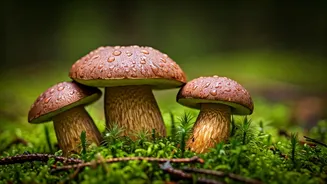
When the monsoon arrives, it transforms more than just the landscape; it revolutionises the Indian kitchen. The humid, damp conditions create the perfect breeding ground for a spectacular variety of fungi to sprout from the forest floor, termite mounds,
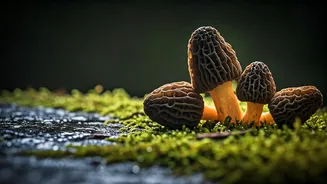
and rotting logs. These are not your everyday button mushrooms. Many of these wild varieties cannot be cultivated, making their appearance a fleeting, annual event. Their arrival is celebrated by communities across the country, who possess generations of knowledge about where to find them and how to cook them. This yearly harvest connects food lovers directly to the ecosystem, offering a taste that is wild, unpredictable, and deeply rooted in the season.
The Thrill and Peril of the Forage
The “mystery” of these mushrooms lies not just in their flavour, but in the quest to find them. Foraging is an art form passed down through generations. It requires an intimate knowledge of the local terrain, the ability to read subtle signs in nature, and, most importantly, the skill to distinguish the delicious from the deadly. Foragers, often from tribal and rural communities, venture into dense forests at dawn, armed with little more than a basket and their ancestral wisdom. This expertise is crucial, as many edible mushrooms have poisonous lookalikes—a phenomenon known as 'false' mushrooms. This element of risk and reward elevates the ingredient from mere food to a prized, hard-won treasure.
Titans of the Termite Mound
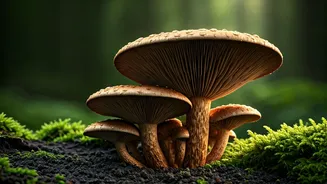
Perhaps the most celebrated of all monsoon mushrooms is the Termitomyces, known locally as ‘olmi’ in Goa, ‘almi’ in parts of Maharashtra, or ‘puttu’ in the south. These mushrooms have a unique symbiotic relationship with termites, growing exclusively on or near termite mounds. They emerge in clusters for just a few weeks after the first heavy rains. With a firm, meaty texture and a delicate, earthy flavour, olmi are considered a delicacy. Their rarity and the short window of availability mean they command high prices in local markets, often sold by women who guard their foraging spots as closely-held family secrets. They are typically prepared in simple ways to let their unique taste shine through, often in a light coconut-based curry.
Jharkhand's Underground Jewel
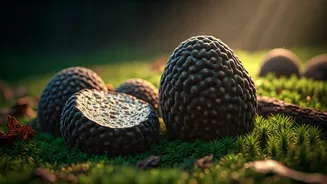
Venture into the forests of Jharkhand and Odisha, and you'll find a different kind of monsoon marvel: ‘rugda’. Though commonly called a mushroom, rugda is technically a type of subterranean fungus that grows underground, resembling small, earthy potatoes. They must be dug out of the soil after heavy rains soften the ground. Rich in protein and with a chewy, almost meat-like texture, rugda is a staple for local tribal communities. Its flavour is intensely earthy and savoury. Cooking it is a ritual; it is often curried with robust spices like ginger, garlic, and turmeric, absorbing the flavours to create a hearty, satisfying dish that is synonymous with the monsoon in the region.
From Forest Floor to Festival Plate
From the Western Ghats to the hills of the Northeast, countless other varieties appear during this season. Each has its own name, story, and specific culinary use. The guiding principle for cooking these wild mushrooms is almost always simplicity. Because their natural flavours are so complex and nuanced, chefs and home cooks alike avoid overpowering them with heavy spices. Gentle sautés with garlic and herbs, light stir-fries, or their inclusion in simple rice dishes or clear soups are common. This minimalist approach honours the ingredient and the effort it took to bring it from the wild earth to the dining table. It’s a celebration of flavour in its purest, most natural form.