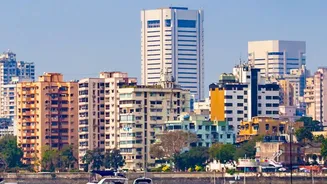







Understanding the Resilient Demand
Recent data confirms the headline's claim: Mumbai's property market is robust. August 2026 saw an 11% year-on-year increase in property registrations, the highest for that month in over a decade. This isn't an isolated event; July and June also posted
their strongest numbers in 14 years. This sustained demand is driven by several factors. Major infrastructure upgrades, including new Metro lines and improved road connectivity, are making formerly distant suburbs more accessible and attractive. Buyer confidence remains high, supported by stable employment in key sectors like finance and technology. Furthermore, with land being scarce, redevelopment projects now account for a significant share of new housing supply, offering modern homes in established localities.
Your Financial Blueprint
Before dreaming of a sea-facing view, ground yourself in financial reality. The first step is to honestly assess your budget. This isn't just the property's price tag. Account for additional costs like stamp duty, registration fees, GST (for under-construction properties), and post-purchase expenses like interiors and society deposits. Stamp duty in Mumbai is currently 6% for men and 5% for women, which includes a 1% Metro Cess. Registration is 1% of the property value, capped at ₹30,000 for properties over ₹30 lakh. These charges are not covered by home loans and must be paid from your own funds. Your home loan EMI should ideally not exceed 40-50% of your take-home salary. Getting a home loan pre-approved before you start house hunting can strengthen your negotiating position with sellers.
Choosing the Right Location
In Mumbai, location dictates price more than anything else. While South Mumbai remains the most expensive, with prices ranging from ₹45,000 to over ₹75,000 per sq. ft., first-time buyers often find better value in the suburbs. Look for emerging micro-markets that benefit from new infrastructure. Areas along new metro lines or major road corridors like the Goregaon-Mulund Link Road offer a balance of connectivity and relative affordability. The Western and Central suburbs, along with Thane and Navi Mumbai, are popular choices due to comparatively lower entry prices and improving social infrastructure. Consider your daily commute, proximity to schools and healthcare, and the potential for future appreciation before finalising a neighbourhood.
The Crucial Step of Due Diligence
Once you shortlist a property, thorough legal verification is non-negotiable. The most critical check is the project's registration under the Maharashtra Real Estate Regulatory Authority (MahaRERA). Promoters must register all projects over 500 square metres or with more than eight units. You can verify a project's details, including approvals and completion timelines, on the MahaRERA website. Engage a lawyer to verify the property's title deed, encumbrance certificate (to check for outstanding dues or loans), and the developer's Commencement Certificate (CC) and Occupancy Certificate (OC). The RERA Act also mandates that developers deposit 70% of buyer funds into a separate escrow account, reducing the risk of fund diversion.
Navigating a Buyer's Market Within a Seller's Market
While high demand suggests a seller's market, recent trends show that buyers are becoming more discerning. They are not rushing into every new launch, and properties that offer practical layouts, good ventilation, and functional amenities are preferred over purely cosmetic features. This shift gives thoughtful buyers an edge. Focus on projects by reputable developers with a strong track record of timely delivery and quality construction. Don't be swayed by flashy brochures; visit the site multiple times at different times of the day to assess the neighbourhood, light, and noise levels. A well-researched buyer who knows their priorities can negotiate effectively even in a competitive environment.