



The Damp Dog Dilemma
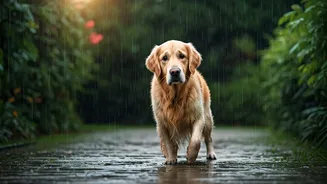
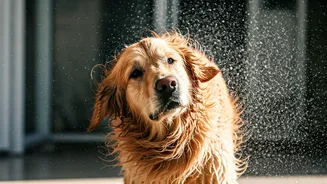
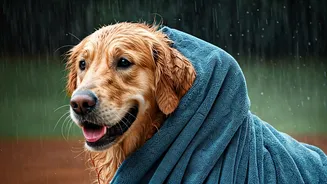
The primary issue during the monsoon is the persistent moisture. A dog's coat that remains damp for extended periods becomes a breeding ground for bacteria and fungi. The high humidity in the air prevents fur from drying naturally, trapping moisture against
the skin. This can lead to a host of problems, including fungal infections like Malassezia, bacterial skin infections (pyoderma), painful hot spots, and that persistent 'wet dog' smell. Dogs with thick, double coats are particularly at risk, as moisture can get trapped deep within their undercoat, making proper drying essential.
Mastering the Post-Walk Dry-Off
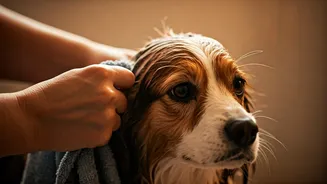
Every walk in the rain necessitates a thorough drying routine. Simply letting your dog air-dry is not an option during the humid monsoon, as it can take hours and encourages skin issues. The first step is a rigorous towel-off. Use highly absorbent microfiber towels and press or blot the fur rather than rubbing vigorously, which can cause tangles. Pay special attention to the belly, underarms, tail, and ears. For dogs with thicker coats, a pet-safe blow dryer on a low heat and low speed setting is highly recommended to ensure the coat is dry all the way to the skin. Always keep the dryer moving and a few inches away from your dog to prevent any burns.
Paw Patrol: An Essential Routine
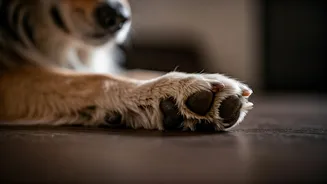
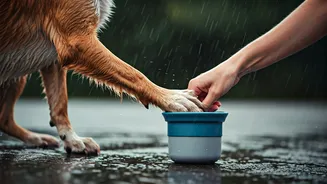
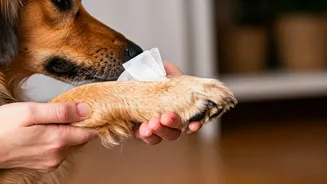
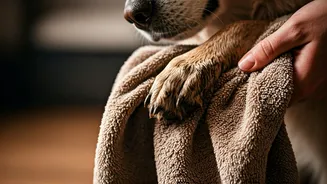
Paws are on the frontline, constantly in contact with muddy, wet, and potentially contaminated surfaces. This makes paw care one of the most critical aspects of monsoon grooming. After every single walk, paws must be cleaned and dried. You can rinse them with lukewarm water or use a damp cloth or pet-safe wipes. The most crucial step is drying thoroughly between the toes and paw pads, as this is a prime area for fungal growth. Consider trimming the hair around the paws to prevent mud and debris from getting stuck. For extra protection, dog booties or a paw balm can create a barrier against wet surfaces.
Bathing, Brushing, and Bug Control
While it may seem logical to bathe your dog more often, over-bathing can strip the coat of its natural oils, weakening the skin's protective barrier. A bath every two to three weeks is generally sufficient, unless your dog gets exceptionally muddy. When you do bathe them, consider using a vet-recommended anti-fungal or antibacterial shampoo as a preventive measure. Daily brushing is non-negotiable during this season. It helps remove dirt, detangles fur, prevents matting that traps moisture, and improves air circulation to the skin. Finally, the monsoon brings an explosion in the flea and tick population. Stay consistent with your vet-prescribed preventative treatments to protect your dog from these parasites and the diseases they can carry.
A Clean Environment Matters
Your dog's environment plays a big role in their health. Dampness can accumulate indoors as well, so ensure your home is well-ventilated. Regularly wash your dog’s bedding, toys, and any mats they lie on to prevent the growth of fungus and bacteria. Providing a clean, dry, and comfortable resting place is a simple but effective way to support their skin health. A dedicated drying station near the entrance with towels and mats can help contain the mud and moisture after walks, keeping both your pet and your home cleaner and healthier during the rainy season.