



For the Urban Explorer: Navigating the City
Daily commutes can become an adventure in themselves during the monsoon. The key is staying dry, visible, and upright. Start with your feet: invest in waterproof footwear with a strong, anti-slip grip to navigate slippery pavements and waterlogged streets
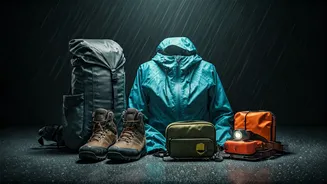
safely. [12] Avoid open-toed footwear to protect your feet from dirty water and potential infections. A high-quality, long-lasting waterproof jacket or a poncho is a must. [13] Look for options with sealed seams to prevent any leakage in heavy downpours. To protect your electronics and valuables, use a waterproof backpack or a bag with a dedicated rain cover. [10, 12] Small zip-lock bags or waterproof pouches are also a lifesaver for phones, wallets, and documents. [12, 24] Finally, consider visibility. In heavy rain, it gets dark quickly, so wearing brighter colours or clothing with reflective elements can help motorists see you more clearly. [13]
For the Weekend Trekker: Hitting the Trails
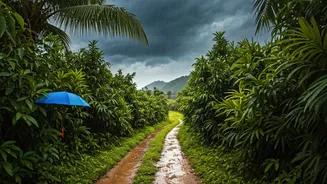
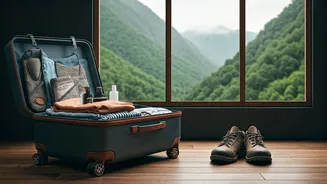
Monsoon treks in places like the Western Ghats or the Himalayas are breathtaking, but they demand serious respect and preparation. Your most critical gear is a pair of waterproof trekking shoes with excellent grip to handle muddy and slippery trails. [10] Quick-drying synthetic T-shirts and pants are essential, as cotton absorbs moisture and takes a long time to dry. [2, 10] Layering is crucial; carry a waterproof and breathable rain jacket and pants over your base layers. [2, 17] A poncho can offer great coverage for both you and your backpack. [6] Protect your gear with a backpack rain cover and use internal dry sacks for clothes and electronics. [6, 24] In leech-prone areas, a pair of anti-leech socks is non-negotiable. [2, 15] Also, pack waterproof gloves, a sun cap to keep rain off your face, and a trekking pole for extra stability on treacherous paths. [6, 11] A headlamp and a well-stocked first-aid kit are vital for any trek. [10]
For the Road Tripper: Mastering Monsoon Drives
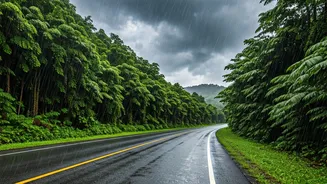
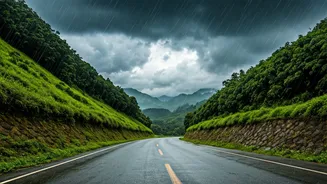
A monsoon road trip is an iconic Indian experience, but wet roads significantly increase risks. Before you start, ensure your car is monsoon-ready. Check that your tyres have adequate tread depth (at least 3mm) and are properly inflated to prevent hydroplaning, where a layer of water builds between the tyres and the road. [3, 7, 9] Make sure your brakes, wipers, and all lights (especially low beams) are in perfect working order. [4, 7] While driving, reduce your speed significantly—staying below 50 km/h in heavy rain is a good rule. [3] Maintain at least double the usual following distance from the vehicle ahead, as braking distances are much longer on wet surfaces. [5, 7] Use low-beam headlights during the day to improve visibility for yourself and others. [3, 4] If you approach a waterlogged street, avoid driving through it unless you can gauge its depth; hidden potholes or debris can cause serious accidents. [7] Never try to restart a stalled engine in water, as it can cause permanent damage. [3]
Universal Essentials: Health and Connectivity
Regardless of your adventure, some safety items are universal. The monsoon is a breeding season for mosquitoes, which can transmit diseases like dengue, malaria, and chikungunya. [18, 19, 21] Always carry and use a reliable insect repellent, and consider wearing long-sleeved clothing during evenings. [12, 18] It's also wise to avoid street food and drink only boiled or filtered water to prevent water-borne illnesses like gastroenteritis and typhoid. [19] Carry a basic first-aid kit containing antiseptics, bandages, and any personal medications. [12] Keeping your devices charged is crucial for safety and navigation, so a fully charged power bank is an essential item. [12, 24] Keeping a small, quick-dry towel handy can also add a surprising amount of comfort. [12] Finally, always check the local weather forecast and inform someone of your itinerary before you head out. [11]