






A Moment in the Spotlight
From September 10th to 13th, around 1,000 of India's most influential tour operators, policymakers, and travel stakeholders will gather in Visakhapatnam. The IATO convention is a significant platform for any host city, offering a chance to showcase its
potential directly to the people who design and sell travel packages to millions. For Andhra Pradesh, and Vizag in particular, this is a golden opportunity. The state government is rightly positioning the event as a partnership, inviting the travel trade to help build India's next major tourism success story. The agenda is packed with business sessions, a travel mart, and tours designed to highlight the state's diverse offerings, from its long coastline to its rich heritage sites.
The City of Untapped Potential
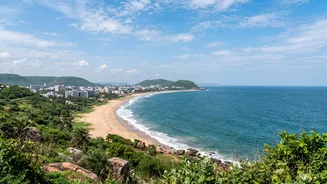
Visakhapatnam is, without a doubt, one of India's most naturally gifted cities. It boasts a stunning coastline, rolling hills, ancient Buddhist sites, and the unique charm of the Araku Valley nearby. It's a regional powerhouse that attracted nearly a quarter of Andhra Pradesh's 61 million tourist visits in 2023. The city is an industrial and IT hub, and has been named one of India's fastest-growing non-metro cities for professional opportunities. This combination of natural beauty and economic dynamism makes it a prime candidate to become a world-class destination for both leisure and MICE (Meetings, Incentives, Conferences, and Exhibitions) tourism. The government sees this, declaring tourism an industry and launching ambitious policies to attract investment.
The Reality Beyond the Brochure
However, hosting a major convention throws the city's underlying challenges into sharp relief. For years, experts have pointed to critical gaps that prevent Vizag from truly competing with established hubs. While the new Bhogapuram International Airport is eagerly awaited, limited international air connectivity has historically been a major hurdle. Within the city, last-mile connectivity, a steady calendar of events to ensure year-round demand, and high-end infrastructure for large-scale international events are areas that need consistent focus. While new hotels are in the pipeline, the current inventory of classified rooms needs to grow substantially to support ambitions of becoming a top MICE destination. One-off events are manageable, but a sustainable flow of high-spending tourists requires a seamless, high-quality experience from the moment they land to the moment they depart.
From Event Planning to Strategic Vision
This is where the headline's argument becomes crucial. There's a fundamental difference between planning for a single event and planning for a permanent tourism ecosystem. The IATO convention is a sprint; building a resilient tourism economy is a marathon. The Andhra Pradesh government's new Tourism Policy (2024–29) and its focus on developing hubs like Visakhapatnam are steps in the right direction. The push to create city-level convention bureaus, starting with Vizag, is a smart move to streamline processes for event organisers. But these policies must translate into tangible, on-the-ground reality. It means not just building a new convention centre, but also ensuring the roads leading to it are world-class, the civic amenities are flawless, and the local workforce is trained in hospitality.
The Blueprint for a True Tourism Hub
The IATO convention should serve as a catalyst for this long-term vision. The focus must shift from isolated projects to an integrated plan. This means accelerating infrastructure projects like the Bhogapuram airport and the beach corridor. It involves diversifying attractions beyond the main beaches to include well-managed eco-tourism, heritage trails, and adventure sports circuits. And crucially, it requires a relentless focus on the basics: cleanliness, safety, and reliable public transport. The government's plan to attract massive private investment into the Visakhapatnam Economic Region is ambitious, and tourism is a key pillar of this strategy. Success will depend on creating an environment where private investment feels secure and public infrastructure is reliable.