



Witness a Waterfall Flowing Upwards
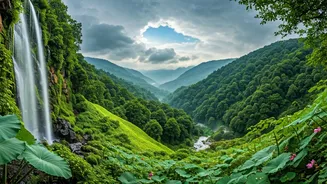
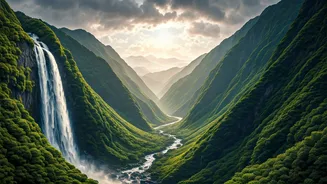
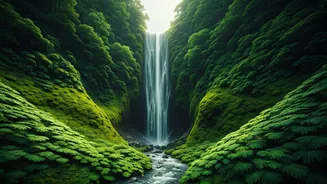
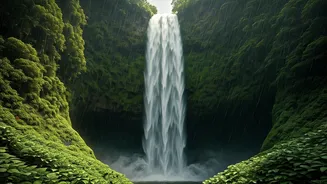
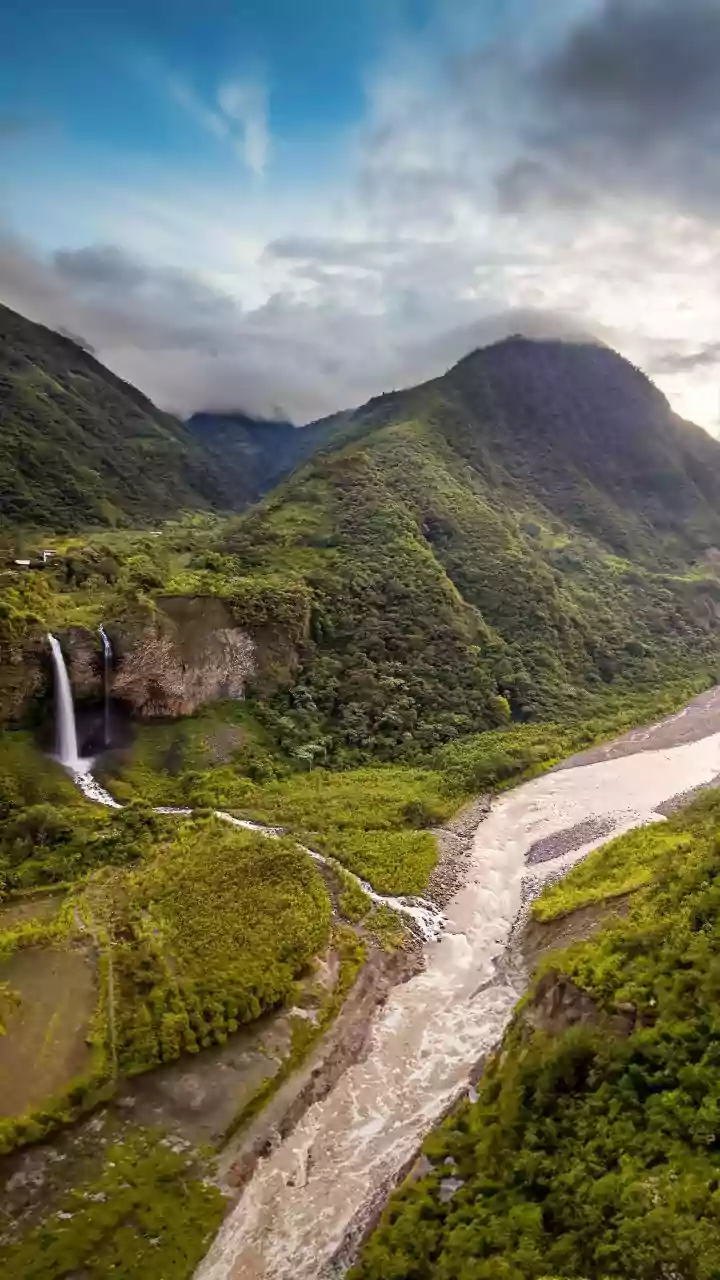
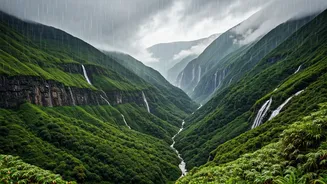
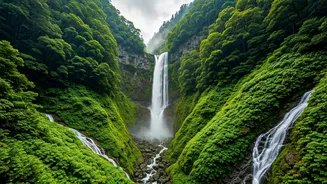
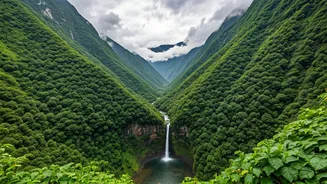
It sounds like something out of a fantasy film, but it’s a real, mesmerising phenomenon in the Western Ghats. During the peak of the monsoon, ferocious winds whip through the valleys and cliffs with such force that they push the water from certain waterfalls
upwards, creating a ‘reverse waterfall’. The effect is a spectacular spray that defies gravity, drenching everything in a magical, upward-flowing mist. This natural spectacle is entirely dependent on the specific wind and rain conditions of the monsoon. You can witness this incredible sight at places like Naneghat and Sandhan Valley in Maharashtra, where trekkers gather not just for the challenging climb but for the chance to see nature turn on its head.
Trek Through a Blooming Paradise
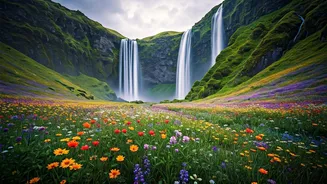
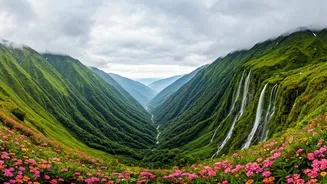
While many mountain passes close during the monsoon, one of India’s most breathtaking landscapes bursts into life. The Valley of Flowers National Park in Uttarakhand, a UNESCO World Heritage Site, is a high-altitude Himalayan valley that sheds its snowy blanket to reveal a carpet of over 300 species of alpine flowers. The monsoon rains trigger this explosion of colour, turning the entire valley into a vibrant tapestry of blue, purple, pink, and yellow. The trek to get there is part of the experience, leading you through lush forests and alongside gushing rivers. This is not just a pretty sight; it’s a fragile ecosystem that exists in this form for only a few months a year, thanks entirely to the life-giving monsoon.
Explore the Living Caves of Meghalaya
Meghalaya, ‘the abode of clouds’, is home to some of the longest and most complex cave systems in the world. While caving is a year-round activity, the monsoon transforms the experience. The landscape becomes a lush, dripping emerald world, and the caves themselves come alive. Subterranean rivers swell, new waterfalls appear inside the dark chambers, and the sound of dripping water creates a unique, resonant symphony. Exploring caves like Mawsmai or Arwah during this time (with a certified guide, of course) is not for the faint of heart, but it offers a rare glimpse into how water shapes the world beneath our feet. It's a raw, elemental adventure where you can feel the pulse of the planet, amplified by the relentless rain.
Wander Across Maharashtra's Kaas Plateau
Another floral wonderland that owes its existence to the monsoon is the Kaas Plateau in Maharashtra. Known as ‘Kaas Pathar’, this volcanic plateau transforms into a sea of wildflowers from late August to early October. It’s a designated UNESCO World Natural Heritage Site for its incredible biodiversity, hosting thousands of tiny, vibrant flowers, including rare carnivorous plants like Drosera Indica. Unlike the grand scale of the Himalayas, Kaas offers a more intimate experience. You walk among fields of tiny blossoms that create a painterly effect across the landscape. The cool, misty weather of the monsoon adds to the charm, making it feel like you’ve stepped into a dream.
Go on a Marine Wildlife Safari
Typically, the ocean is considered 'off-limits' during the monsoon. But in certain parts of the country, the changing season brings unique marine life closer to shore. In Goa, for instance, local eco-tourism groups have started offering monsoon-specific dolphin-watching trips. The churning waters and changes in temperature can bring pods of humpback dolphins to play in the estuaries and backwaters. While rough seas mean you aren’t heading far out, these curated tours focus on calmer inland waterways where you can spot not just dolphins but also a host of monsoon birdlife. It’s a different, more subdued kind of coastal experience that proves the ocean has secrets to share even during the stormiest season.