



Ancient grains are making a comeback in Indian kitchens, with jowar, bajra, and ragi leading the charge. Many assume these nutritional powerhouses come with a high price tag, but the secret to keeping them budget-friendly lies in one simple word: local.
Meet India’s Ancient Millet Trio
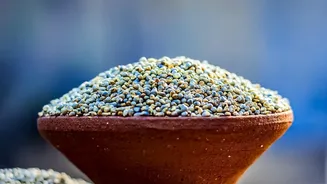
For thousands of years, long before wheat and rice dominated our plates, millets were the staple food across the Indian subcontinent. Jowar (sorghum), bajra (pearl millet), and ragi (finger millet) are not just foods of the past; they are climate-resilient super grains making a much-needed return. These grains, deeply rooted in Indian agriculture and tradition, were sidelined by the Green Revolution's focus on high-yield wheat and rice. However, a renewed focus on health and sustainability, highlighted by initiatives like the International Year of Millets in 2023, has brought their incredible benefits back into the spotlight.
The Nutritional Powerhouse in Your Roti
Switching from refined grains to these millets offers a significant nutritional upgrade. All three are naturally gluten-free and packed with dietary fibre, which aids digestion and provides sustained energy. Ragi is a calcium champion, containing significantly more of the bone-building mineral than any other cereal. Bajra is an excellent source of iron and magnesium, making it a warming winter grain that helps combat fatigue. Jowar, with its mild flavour, is a great all-rounder rich in protein and antioxidants. Their lower glycemic index also makes them a smarter choice for managing blood sugar levels compared to polished rice and wheat.
Why Buying Local is Cheaper
The price of millets can vary widely, but the most significant factor after the grain variety is the supply chain. When you buy branded, packaged millets from a supermarket, you are paying for transportation, marketing, multiple layers of middlemen, and elaborate packaging. Sourcing them directly from a local 'kirana' store, a farmer's market ('mandi'), or a cooperative cuts out many of these costs. Buying locally also means the grains are often fresher and you are directly supporting farmers in your region. Direct-to-consumer brands that source from local farmers can also offer competitive prices by eliminating intermediaries.
A Smart Shopper’s Guide to Millets
To get the best value, think beyond the supermarket shelf. Here are some tips: Visit the Source: Your local mandi or farmers' market is the best place to start. Prices are often lowest here, especially right after the harvest season (typically October-November). Buy Whole Grains: Pre-milled flour ('atta') is convenient but costs more and loses freshness faster. Buying whole grains and getting them milled at a local 'chakki' (flour mill) is often more economical and ensures you get 100% pure flour. Check for 'Unpolished': The vital nutrients in millets are stored in the bran, the outer layer. Polished millets have this layer stripped away. Always look for unpolished or 'farm-direct' varieties to get the full health benefits. Compare Price Per Kilo: Don't be fooled by pack sizes. Always compare the price per kilogram to understand the true cost. A larger bag may seem expensive upfront but can offer better value if you use it regularly.
Easy and Frugal Ways to Use Millets
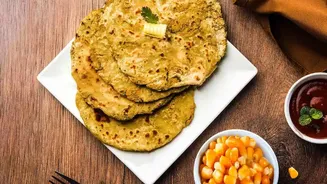
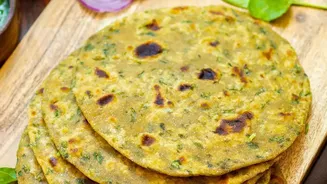
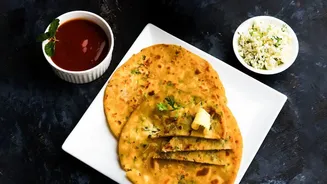
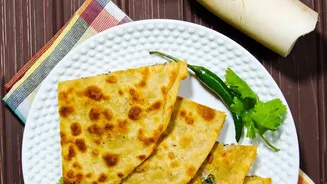
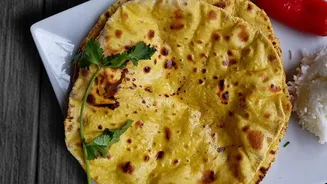
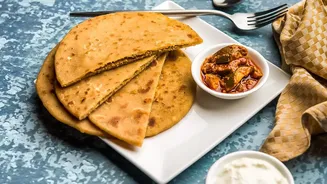
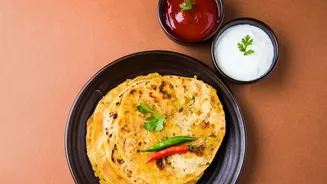
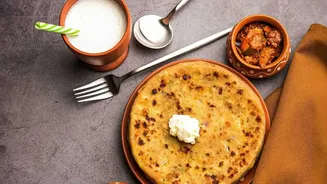
Incorporating these grains into your diet doesn't require complicated recipes. The simplest way is to make traditional flatbreads. Jowar makes soft 'bhakri' that is a great daily substitute for wheat roti. Bajra rotis, often enjoyed in winter with a dollop of ghee, are incredibly filling. Ragi can be used to make nutritious dosas, idlis, and a traditional porridge that is excellent for children and adults alike. You can also mix millet flour with your regular wheat atta to gradually introduce them into your family's diet and improve the nutritional profile of your everyday meals.