




India's Agricultural Lifeline
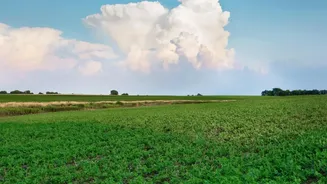
The southwest monsoon, which typically lasts from June to September, is critical for India's agricultural sector. Nearly half of the country's farmland is rain-fed, meaning it depends directly on monsoon showers for irrigation. This is especially true
for Kharif crops, which are sown at the beginning of the monsoon season. These summer crops include essentials that form the bedrock of Indian cuisine: rice, pulses (like tur dal), coarse cereals (like maize and bajra), oilseeds (like soybean), and a vast array of vegetables.
Worrying Signs of a Weak Monsoon
As of mid-August 2026, the monsoon's performance has been uneven and is showing signs of losing momentum. The India Meteorological Department (IMD) has forecast below-normal rainfall for August and September, a critical period for crop growth. This is partly attributed to a strengthening El Niño, a climatic pattern in the Pacific Ocean often linked to weaker monsoons in India. The impact is already visible on the ground. According to the Agriculture Ministry, the total area sown with Kharif crops as of August 14 was about 2% lower than the previous year. Key crops like rice, tur, and maize have seen a decline in acreage, signaling potential production shortfalls.
The Journey From Puddle to Plate
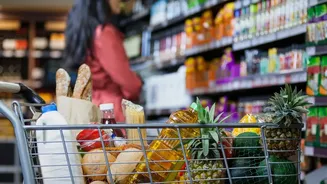
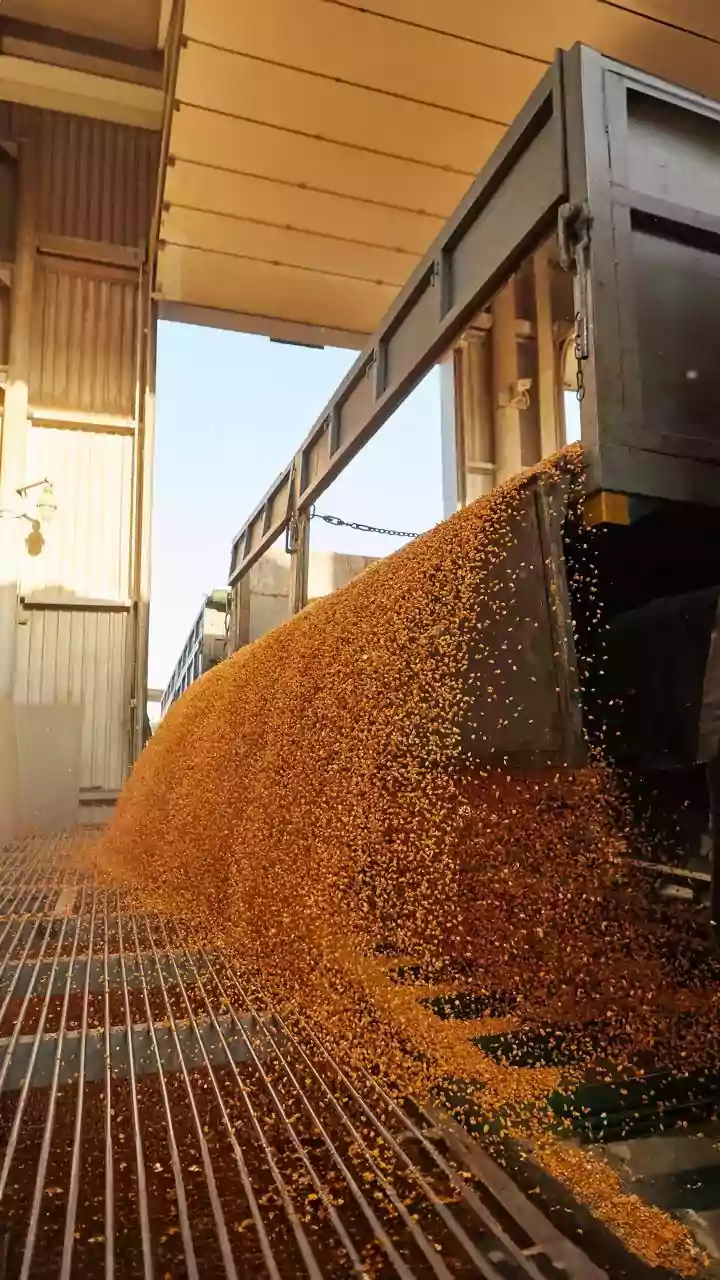
The connection between less rain and more expensive groceries is a direct supply-and-demand issue. Insufficient or erratic rainfall stresses crops, leading to lower yields. Farmers harvest less produce from the same amount of land, which reduces the overall supply available in the market. This scarcity first hits the wholesale markets, or mandis, where traders bid for limited stock, pushing up procurement prices. This increase is then passed down the supply chain, from the wholesaler to the local sabziwala or supermarket, and finally, to you, the consumer. Recent data from local mandis already shows sharp, albeit sometimes temporary, price spikes for vegetables, a potential early indicator of tightening supply.
Which Groceries Will Be Most Affected?
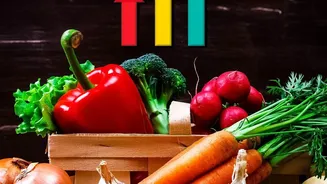
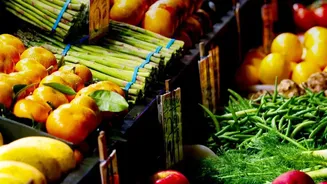
Not all items in your grocery basket will react the same way. The most vulnerable are rain-fed crops. Prices for many vegetables, which have short cultivation cycles and are sensitive to moisture levels, are often the first to rise. Onions and tomatoes, notorious for their price volatility, are key items to watch. Pulses, a primary source of protein for millions, are also at risk. The sowing area for pulses like tur (arhar) has already seen a decline this season. Coarse cereals and oilseeds are also impacted. While India maintains significant buffer stocks of staples like wheat and rice, which can help absorb some of the shock, the prices of fresh produce are far more immediate and reactive to weather conditions.
What Can Be Done?
The government is not a passive observer in this situation. Authorities have been preparing contingency plans for districts identified as vulnerable to El Niño's impact. These measures can include promoting drought-resistant crop varieties and managing water resources more effectively. To control food inflation, the government can also deploy tools like releasing foodgrains from its buffer stocks to increase market supply or placing limits on exports to ensure domestic availability. However, the effectiveness of these measures often depends on the severity and duration of the rainfall deficit. For consumers, these government actions can help soften the blow, but some price impact is often unavoidable during a weak monsoon year.