



Beyond Butter Chicken and Buffets
For many, “Indian food” has long been a monolith, defined by a handful of North Indian dishes like butter chicken or naan. [3] While delicious, these represent just a sliver of India's vast culinary landscape. [3] Now, a seismic shift is underway. Food
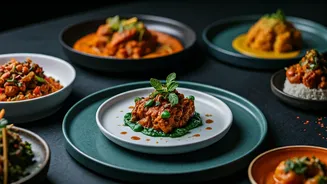
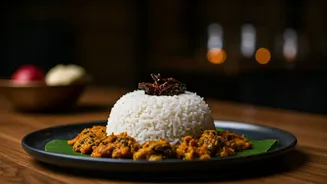
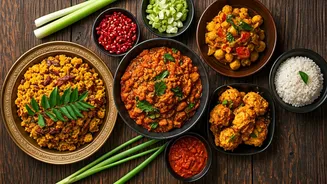
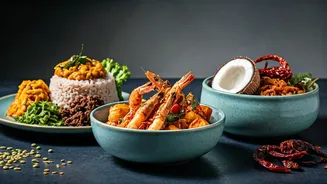
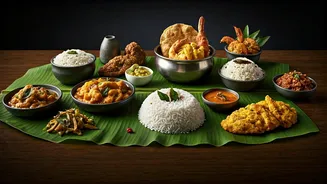
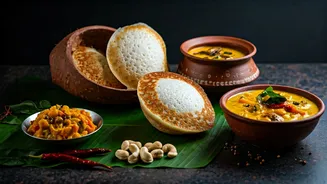
lovers and chefs are finally exploring the incredible diversity of India's regional cuisines. [1] Suddenly, the subtle, fish-focused preparations of Bengal, the coconut-laced seafood curries of Goa, and the fiery Chettinad flavours of Tamil Nadu are finding their way onto international menus and into the global consciousness. [3, 10] This move away from the generic “curry house” menu is driven by a growing curiosity for authenticity. [1] Diners are no longer content with a simplified version of Indian food; they want the real story, a taste of the specific cultural and geographical influences that shape each dish, from the coastal abundance of Kerala to the arid ingenuity of Rajasthani cuisine. [1]
The Chef as a Confident Storyteller
A new generation of Indian chefs is leading this charge, acting as culinary curators and storytellers. [5] They are moving past the era of what some called "performative modernity”—chaat served with liquid nitrogen—and embracing a deeper, more confident form of innovation rooted in tradition. [5] Chefs like Himanshu Saini, recently named Chef of the Year (International) at the NDTV Food Awards 2026, are prime examples. [13] Saini, who began his career at Indian Accent in Delhi, now heads the world's first three-Michelin-star Indian restaurant, Tresind Studio in Dubai. [13, 15, 24] Similarly, chefs like Garima Arora in Bangkok and Vijay Kumar in New York are gaining global acclaim not for diluting Indian flavours, but for celebrating them with technical precision and personal flair. [6, 11, 15] This newfound confidence means Indian food has stopped feeling the need to explain itself or translate its terms for a Western audience. [5] The 'thepla' is no longer a 'savory flatbread'; it's simply a thepla.
The Michelin Stamp of Approval
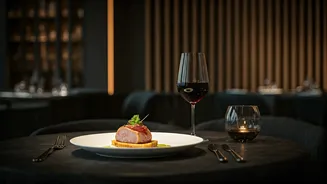
Nothing says “main character energy” in the culinary world quite like a shower of Michelin stars. For years, Indian cuisine was underrepresented in the upper echelons of fine dining. That has changed dramatically. There are now at least 17 Michelin-starred Indian restaurants across the globe, from London and New York to Dubai and Bangkok. [2, 6] These accolades are a powerful form of validation, signalling to the world that Indian cuisine belongs in the same fine-dining conversation as French, Japanese, or Italian. [3] Chef Atul Kochhar was the first Indian chef to receive a Michelin star in 2001 for his London restaurant, Tamarind. [11, 17] Since then, many others have followed, with restaurants like Gymkhana in London, Junoon and Semma in New York, and Gaa in Bangkok earning stars for their contemporary and authentic approaches. [2, 6] Avatara in Dubai even made history as the world's first all-vegetarian Indian restaurant to receive a star, highlighting the global appeal of India's rich plant-based traditions. [2, 18]
A Global Palate with Indian Spices
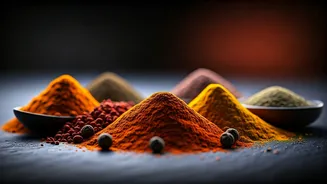
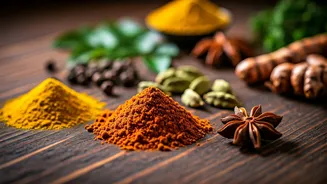
The influence of this movement extends beyond dedicated Indian restaurants. Bold Indian flavours and ingredients are increasingly appearing in global culinary contexts. Turmeric, once confined to the spice rack, is now a wellness staple. [4] Spices like cumin, coriander, and cardamom are being used by international chefs to add depth and complexity to non-Indian dishes. [4] This goes beyond the awkward 'fusion' dishes of the past (like chicken tikka pizza). [5] Today's integration is more nuanced and respectful, seen in the rise of inventive cocktails using Indian botanicals or the use of traditional Indian cooking techniques like slow-cooking in clay pots to enhance dishes from other cuisines. [3, 19] This trend is also powered by the global shift toward plant-based eating, a domain where Indian cuisine has been a world leader for centuries, offering a rich, flavourful vocabulary that Western cuisine is only just beginning to discover. [4, 7, 9]