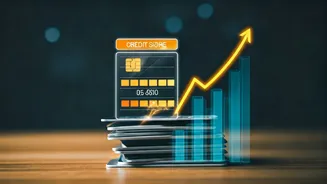









More Than Just a Loan Application
For years, the CIBIL score, or credit score, lived in the quiet background of our financial lives. It was a number you only thought about when applying for a home, car, or personal loan. Maintained by credit bureaus like TransUnion CIBIL, Experian, and
others, this score (typically ranging from 300 to 900) was a simple risk assessment tool for banks. A score above 750 told a lender you were a reliable borrower who paid their dues on time. A lower score signalled risk, leading to rejected applications or higher interest rates. Its purpose was purely functional: to unlock access to credit. But in the last few years, its role has dramatically expanded beyond the bank manager’s desk and into our social consciousness.
The Shift to a Social Symbol
So, when did a boring financial metric become something to brag about? The shift is subtle but significant. We see it in casual conversations where young professionals compare their scores, or in the gamified notifications from fintech apps celebrating a small jump in your rating. A high credit score has become shorthand for being responsible, disciplined, and trustworthy. It implies that you are not just managing your money well, but that you are a reliable person overall. In an era of financial uncertainty, this number acts as a concrete, verifiable measure of one's stability. It’s a silent testament to the fact that you honour your commitments, a trait that is becoming increasingly valuable in all aspects of life.
Fuelled by Digital India
This transformation is deeply intertwined with India’s digital revolution. The proliferation of smartphones, cheap data, and the UPI ecosystem has brought millions of Indians into the formal financial fold for the first time. Fintech platforms and digital lenders have made credit more accessible than ever, often with just a few taps. But to manage the risk of lending to a massive new audience, these platforms rely heavily on credit scores. They have also made checking and monitoring your score a constant, interactive experience. This constant visibility has turned score-building into a sort of personal finance game. Paying your credit card bill on time isn't just a chore anymore; it's an action that gives you immediate positive feedback, boosting your financial ‘level’.
The New Gatekeeper
The influence of a good credit score is now bleeding into areas far beyond lending. Increasingly, landlords are requesting credit reports from potential tenants as a way to gauge their reliability in paying rent. While not yet a widespread practice for employment, some sectors dealing with financial assets may consider credit history as part of a background check, viewing it as an indicator of an individual's integrity. Even in the world of relationships, financial compatibility is a growing topic of discussion, and a healthy credit score can be seen as an attractive quality. It’s becoming a new gatekeeper, a quick filter for assessing trustworthiness in a fast-paced, often impersonal world.
The Pressure of Perfection
However, the elevation of the credit score to a status symbol has a downside. It creates a new kind of social and financial pressure. The obsession with maintaining a score above 800 can lead to immense anxiety, where every financial decision is weighed against its potential impact on the score. It can also unfairly penalise individuals who have faced genuine financial hardships due to job loss, medical emergencies, or business failures—events that don't necessarily reflect their character. Furthermore, it risks excluding those who are new to credit and have no history, or those who consciously choose to live a debt-free life. A system designed to measure risk could inadvertently create new barriers to opportunity.