







Why Light Is Everything
Before you buy another plant, take a moment to appreciate light from a plant's perspective. Light is their food. Through photosynthesis, plants convert light into the energy they need to grow, thrive, and fight off pests. Without the correct amount of light,
a plant is essentially starving. This is often why plants fail, not because of a lack of water or a forgetful owner. Too much light can scorch leaves, while too little can lead to yellowing, leggy growth, and an eventual decline. The most common mistake new plant parents make is misjudging the light they have. What looks bright to our eyes might be considered dim for a plant that evolved in a tropical jungle.
Become a Natural Light Detective
For one day, make it your mission to 'map' the light in your home. You don't need any fancy equipment. The goal is to observe how sunlight moves across your rooms. Notice which windows get direct sunbeams and for how long. Check in the morning, at noon, and in the late afternoon. A simple trick is the 'shadow test': hold your hand up a foot away from a white piece of paper. A sharp, distinct shadow means direct, high light. A softer, fuzzier shadow indicates bright, indirect light. A very faint shadow, or no shadow at all, signifies low light. Pay attention to obstructions outside, like trees or neighbouring buildings, which can significantly reduce the amount of light entering a window.
Decoding Your Windows
The direction your windows face is the best indicator of the type of light you have. In the northern hemisphere, a south-facing window will provide the most intense, direct light throughout the day. This is the sunniest spot in your home. An east-facing window gets gentler direct morning sun, which becomes indirect for the rest of the day. A west-facing window receives softer indirect light in the morning and harsh, direct sun in the afternoon and evening. Finally, a north-facing window offers the least amount of light; it's consistently indirect and gentle, making it a low-light zone.
Thriving in the Shade: Low-Light Stars
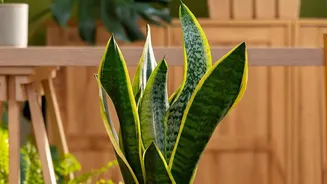
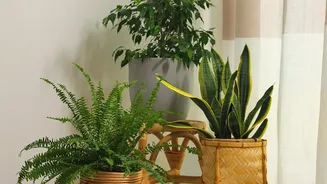
If your apartment has mostly north-facing windows or is shaded by other buildings, don't despair. Many plants are adapted to thrive in these conditions. The nearly indestructible Snake Plant (Sansevieria) and ZZ Plant (Zamioculcas zamiifolia) are champions of low light, tolerating neglect with grace. The trailing Pothos is another excellent choice that can grow almost anywhere, and its vines are a beautiful decorative element. For a touch of elegance, the Peace Lily not only tolerates shade but can also produce its signature white flowers in low-light conditions. These plants are perfect for beginners and those with less-than-ideal lighting.
The Sweet Spot: Medium-Light Favourites
Spaces near east- or west-facing windows, or areas a few feet back from a south-facing window, offer bright, indirect light—the ideal condition for a huge variety of popular houseplants. This is the light that mimics the rainforest floor where many indoor plants originate. The Prayer Plant (Maranta), with its stunning patterned leaves that fold up at night, does beautifully here. Spider Plants are famously easy to care for and will produce 'babies' that can be easily propagated. Ferns, like the Bird's Nest Fern, also love the humidity and filtered light of these locations.
Sun Worshippers: High-Light Performers
For that sun-drenched spot right in front of a south-facing window, you need plants that can handle the heat and direct rays. Cacti and most succulents are the most obvious choices, as they are native to desert environments. Varieties of Aloe Vera and Jade Plant also thrive in these conditions, requiring plenty of sun to stay compact and healthy. For a splash of vibrant colour, a Croton plant will show its most brilliant foliage when given lots of bright, direct light. A Bird of Paradise plant can also make a stunning statement in a sunny corner, bringing a truly tropical feel indoors.