




The Tyranny of the Always-On Vacation
The modern holiday often looks like this: you arrive at a beautiful destination only to see it through your phone screen. Your time is spent hunting for the perfect photo angle you saw on Instagram, stressing about patchy Wi-Fi, and answering work emails
that should have waited. This state of constant connection, while useful, comes at a cost. The pressure to be always available and to curate a perfect digital version of your trip can lead to anxiety and burnout. Psychologists note that when our senses are overloaded with digital notifications and the pressure to capture content, our brains filter more than they absorb. This results in a trip that feels less like a restorative break and more like a content-creation assignment, leaving you with a gallery of photos but few genuine memories.
Rediscovering the Art of Disconnection
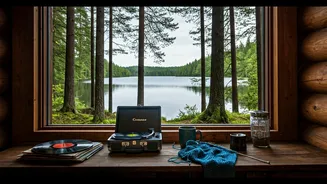
Enter analog travel. This isn't about rejecting technology entirely or becoming a Luddite. It's about making intentional choices to prioritise presence and genuine connection over digital distractions. It’s a philosophy rooted in the principles of 'slow travel,' which favours depth over breadth—staying longer in one place, moving more deliberately, and engaging more deeply with your surroundings. By choosing to leave the laptop at home, putting the phone on airplane mode for a few hours, or using physical tools instead of apps, you create the mental space needed to reconnect with yourself, your travel companions, and the place you’re visiting. Research shows that even short breaks from digital devices can reduce stress hormones and improve mental clarity, allowing for a more relaxed and fulfilling experience.
Finding Your Way, Literally
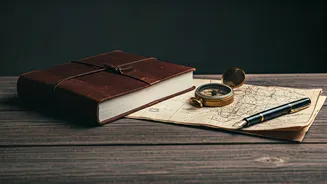
One of the simplest ways to embrace analog travel is to swap your GPS app for a paper map. The experience is fundamentally different. Instead of blindly following a blue dot, you are forced to pay attention to your surroundings—street names, landmarks, the position of the sun. You develop an internal map of the place. You might get a little lost, but this is often where the real adventure begins. It encourages you to ask a local for directions, a simple interaction that can lead to discovering a hidden gem like a beloved neighbourhood cafe or a quiet park not listed in any online guide. It turns navigation from a passive act into an active engagement with your environment, making the journey itself as memorable as the destination.
Memories, Not Just Content
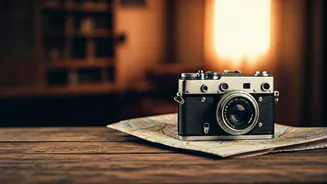
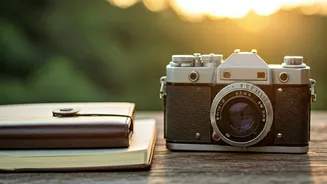
Analog tools are also changing how we capture memories. The revival of film photography is a perfect example. With only 24 or 36 exposures on a roll, every shot is a deliberate decision. You become more observant, waiting for the right light and the perfect moment, rather than firing off hundreds of digital images you’ll never look at again. Similarly, keeping a travel journal encourages you to document more than just sights. Writing helps you process your thoughts and feelings, capturing the sounds, smells, and emotions that a photo can't convey. Rereading these entries years later brings back the richness of the experience in a way a quick social media post never could. These practices create treasured keepsakes, not just fleeting content.
Simple Steps to a More Human Journey
You don't need to go completely off-grid to make your travels feel more human. The key is to start small and be intentional. On your next trip, try dedicating a few hours each day to being completely screen-free. Pack a physical book instead of a tablet. Buy a cheap disposable camera and have fun with the surprise of seeing your photos only after you get home. Leave the hotel without a plan and just walk, allowing curiosity to be your guide. Instead of researching the top 10 restaurants, ask your hotel receptionist or a shopkeeper for their favourite local spot. These small shifts reduce the cognitive load of constant decision-making and optimization, allowing your nervous system to relax into a more natural rhythm.