








The Rise of the Label-Literate Consumer
Not long ago, the primary metrics for a “healthy” snack bar were calories, protein, and fat grams. Today, a much deeper level of scrutiny is taking place. This is “label literacy”—the practice of not just glancing at the nutrition facts, but carefully
reading the full ingredient list. Shoppers are on the lookout for what’s *not* there as much as what is. They are actively avoiding artificial sweeteners, chemical-sounding preservatives, soy isolates, and excessive added sugars hiding under names like dextrin or maltose. For the fitness community, this isn’t just a passing fad; it’s a strategic choice. They understand that what they use to refuel their bodies directly impacts recovery, muscle synthesis, and overall performance. The demand is shifting from products that are simply “low-calorie” to those made with whole, recognizable, and functional ingredients.
What 'Clean' Actually Means to Shoppers
The word “clean” is one of the most powerful and unregulated terms in the food industry. While it has no official definition, consumers have created their own. To them, a “clean” label is a short one. It’s a list of ingredients they can find in their own pantry—things like oats, nuts, seeds, dates, and honey. It evokes a sense of purity and transparency, a stark contrast to bars packed with more than 20 components, many of which require a chemistry degree to pronounce. This consumer-led definition is forcing brands to simplify their formulations. The market is rewarding companies that use minimal processing and prioritize whole-food-based nutrition. This mindset is particularly strong among gym goers, who are often more attuned to the subtle effects different foods have on their energy levels and digestion. They want fuel, not a science experiment.
Millet: The Ancient Grain Making a Comeback
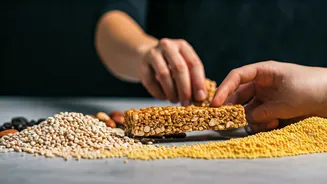
Amid this search for clean, simple ingredients, an ancient grain is having a major moment: millet. Often overshadowed by quinoa and oats, millet is stepping into the spotlight as a nutritional powerhouse perfectly suited for the modern, label-savvy consumer. It’s a small, gluten-free grain that’s rich in protein, fiber, and essential minerals like magnesium and phosphorus, which play roles in energy production and bone health. What makes millet so appealing for snack bars is its versatility and mild, slightly nutty flavor. It can be puffed, flaked, or used as a flour, providing a satisfying texture without the need for artificial binders or fillers. As a complex carbohydrate, it offers sustained energy release, making it an ideal ingredient for both pre-workout fuel and post-workout recovery. Its inclusion on an ingredient list is a green flag for consumers looking for nutrient density over empty calories.
Why Gym Goers Are Leading the Charge
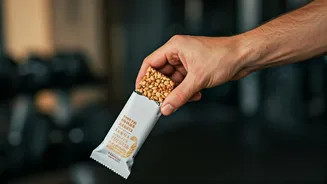
The connection between the gym and the grocery aisle has never been stronger. Fitness enthusiasts are natural early adopters of nutritional trends because the results—or lack thereof—are felt immediately in their workouts. A snack loaded with sugar and artificial ingredients can lead to an energy crash or digestive discomfort, sabotaging a training session. Conversely, a bar made with balanced, whole-food ingredients like millet can provide the steady power needed to perform and the nutrients required to rebuild. This audience is highly motivated, well-researched, and vocal on social media. When they find a product that aligns with their performance goals and “clean eating” philosophy, they champion it. The rise of millet bars is a direct reflection of this dynamic. It’s not just a trend; it's a market response to a discerning group of consumers who are putting their money where their values are—right on the ingredient list.