

The Best Meteor Shower of the Year: The Perseids
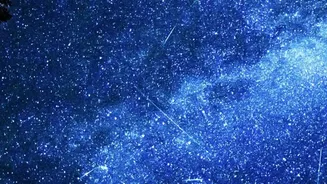
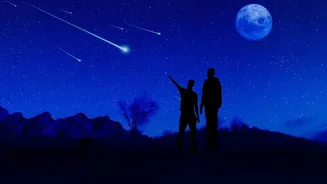
August's headline event is the Perseid meteor shower, one of the brightest and most reliable showers of the year. Active from mid-July to late August, the Perseids will reach their peak on the night of August 12-13, 2026. This year’s peak is especially
promising because it coincides with a new moon, meaning the sky will be exceptionally dark, allowing even fainter meteors to shine. Under ideal conditions, away from city lights, you could see between 50 to 100 meteors per hour. These meteors are actually tiny bits of debris left behind by the comet Swift-Tuttle, which burn up as they enter Earth's atmosphere, creating brilliant streaks of light. For the best view, find a dark spot after midnight, let your eyes adjust for about 20-30 minutes, and look towards the northeastern sky.
A Grand Parade of Planets
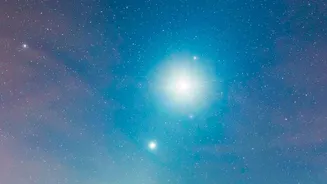
In a rare cosmic coincidence, a six-planet alignment will grace the pre-dawn sky around the same time as the Perseids peak. From August 12 to 18, look toward the eastern to southern sky about 30-60 minutes before sunrise to see Jupiter, Mercury, Mars, Saturn, Uranus, and Neptune stretched out in an arc. For naked-eye observers, Mars and Saturn will be the easiest to spot. Mars will have a distinct reddish glow high in the eastern sky, while Saturn will appear as a steady, yellowish point of light further south. Jupiter and Mercury will be much lower on the eastern horizon, making them a bit more challenging to see without an unobstructed view. For Uranus and Neptune, you'll need a pair of binoculars or a small telescope.
Moon Watching and More
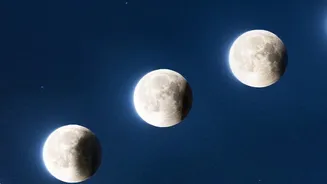
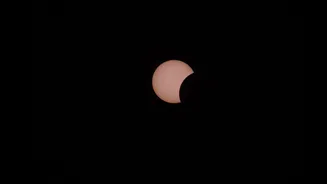
While the new moon on August 12 provides the perfect dark canvas for the Perseids, the moon itself offers other viewing opportunities this month. As it waxes, you can observe its crescent form in the evenings after mid-month. A particularly beautiful sight occurs on August 28, when a partial lunar eclipse will be visible across India. During this event, a portion of the full moon will pass through Earth's darkest shadow, causing it to appear noticeably dimmer in one area. Beyond the major events, keep an eye out for Comet 10P/Tempel in the western sky after twilight in early August; it should be visible with binoculars.
Your Beginner's Stargazing Toolkit
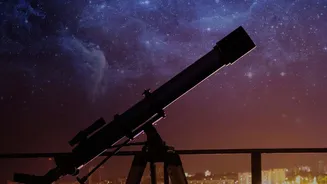
You don't need expensive equipment to get started. Your most important tools are your own eyes. Allow them 20 to 30 minutes to fully adapt to the dark, and avoid looking at your bright phone screen. A great next step is a simple pair of binoculars, which can reveal craters on the moon, the moons of Jupiter, and dimmer objects like Comet 10P/Tempel or the planets Uranus and Neptune. There are also many excellent smartphone apps that can help you identify constellations, planets, and stars in real time. Finally, pack for comfort: a blanket or a reclining chair, some warm clothes as nights can get cool, and a flask with a warm drink will make your stargazing session much more enjoyable.
Tips for Stargazing in the City
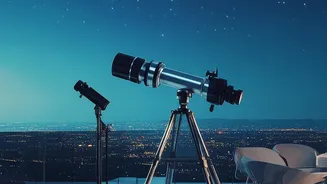
Bright city lights are the biggest challenge for urban astronomers. While you won't see as much as you would from a remote, dark-sky location, you can still enjoy many celestial events. Try to find a spot with the least amount of direct light, like a large park, a rooftop, or the outskirts of your city. Give your eyes plenty of time to adjust to the darkness—the longer you wait, the more you'll see. The main challenge in August for most of India is the monsoon. If you're faced with clouds, be patient and look for breaks in the cover. For those seeking truly dark skies, high-altitude, drier regions like Ladakh and Spiti Valley offer the best viewing conditions in the country, even during monsoon season.