




The Heart of the Trade Deal
After years of negotiations, India and the United Kingdom have finalized a Free Trade Agreement (FTA) designed to deepen economic ties. [10, 21] For the automotive world, the most significant change is a phased reduction of import duties on vehicles.
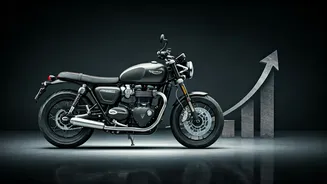
[4, 17] Previously, importing a high-end motorcycle from the UK could involve tariffs exceeding 100%, effectively doubling its price for an Indian customer. [16] Under the new quota-based system, these duties will be progressively lowered to as little as 10% over the next five to ten years, making British-made vehicles significantly more accessible. [5, 12, 17]
Big News for Big British Bikes
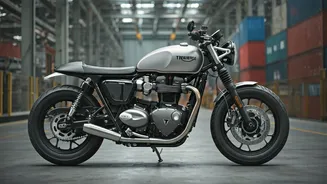
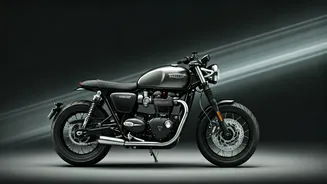
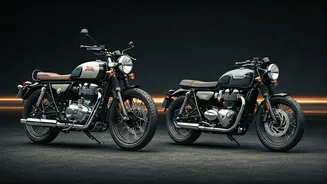
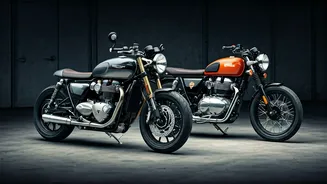
The most immediate beneficiaries of this tariff reduction are iconic British brands. While many of Triumph's popular models sold in India are already assembled in Thailand and benefit from a separate ASEAN trade agreement, their flagship bikes are built in the UK. [19] This means that top-tier models like the Triumph Rocket 3 and Tiger 1200, which were previously imported as Completely Built-up Units (CBUs) and faced the highest taxes, could see substantial price drops. [9, 19] This also opens the door for other premium British marques, such as Norton Motorcycles—now owned by India's TVS Motor Company—to launch in the country with more competitive pricing for their UK-made bikes. [10, 11, 21]
The Ripple Effect on the Indian Market
While lower prices on premium imports are a clear win for some buyers, the deal's impact doesn't stop there. Increased competition from brands like Triumph and Norton will undoubtedly pressure domestic and other international players. This could lead to more competitive pricing and feature-rich offerings across the premium segment. Furthermore, the FTA is a two-way street. It also creates opportunities for Indian manufacturers to export to the UK with reduced tariffs. [5, 7] Brands like Royal Enfield, which already has a strong presence in the UK, and Bajaj, which manufactures Triumph's 400cc bikes in India, stand to gain from easier access to the British market. [9, 16] This could bolster the 'Make in India' initiative and enhance the global standing of Indian auto manufacturing.
More Choice and a More Dynamic Future
Ultimately, the trade deal is about more than just numbers on a price tag. For the average Indian biker, it signals a future with more choice. The influx of newly affordable premium bikes will energize the market, potentially leading to a broader range of models available across different price points. The agreement also encourages collaboration, as seen with TVS-Norton and Bajaj-Triumph, fostering a transfer of technology and design that benefits the entire industry. [16] While the full effects will unfold over several years due to the phased tariff reductions and quota system, the initial steps are promising. [4, 19] The Indian motorcycle scene is set to become more diverse and competitive, offering enthusiasts a wider variety of machines to fuel their passion.