




What Exactly Is a Dead Hang?
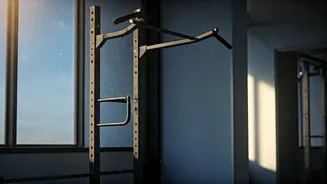
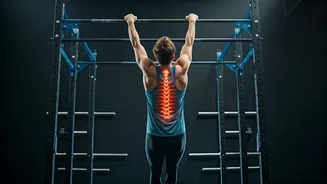
At its core, the dead hang is profoundly simple. It involves hanging from a pull-up bar with your arms fully extended, letting your body hang as a 'dead weight'. Unlike a pull-up, there's no active pulling motion; the goal is to relax and let gravity
do the work. This exercise, requiring nothing more than a sturdy overhead bar and your own bodyweight, is being hailed for its restorative benefits, particularly for those of us who spend hours hunched over desks or engaged in activities that compress the spine. It's a foundational move that targets the upper body, including the back, shoulders, and arms, in a completely different way from traditional strength exercises.
The Powerful Pull of Spinal Decompression
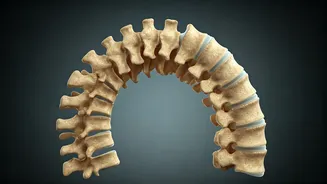
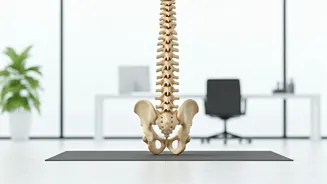
One of the most celebrated benefits of the dead hang is spinal decompression. Throughout the day, gravity, along with activities like sitting or heavy lifting, compresses the vertebrae in our spine. This can lead to stiffness, discomfort, and a greater risk of back pain. When you perform a dead hang, the weight of your lower body creates a gentle traction effect, pulling the vertebrae apart. This process increases the space between spinal discs, which can help relieve pressure, reduce tension, and allow for better hydration and nutrient flow to the discs. Many people report an immediate feeling of relief and a pleasant stretching sensation in their back.
More Than Just Your Back
While spinal health is a major draw, the benefits don't stop there. Dead hangs are phenomenal for developing grip strength, which is often the limiting factor in heavy lifts like deadlifts and rows. In fact, research has linked strong grip strength to overall health and longevity. This exercise also works wonders for shoulder health, improving mobility and stability by stretching the surrounding muscles and ligaments. For those with tight lats and 'tech neck' from computer use, the overhead arm position helps to open up the chest and correct poor posture, strengthening the core as it works to prevent swinging.
A Replacement for Weights?
The headline suggests a trade, but is it really an either/or situation? Most experts would argue no. Heavy weightlifting is unparalleled for building muscle mass and bone density. Dead hangs, on the other hand, are more of a restorative and foundational strength exercise. They are not intended to replace heavy weights but to complement them. Think of it as rebalancing your fitness portfolio. While weights build the structure, dead hangs perform essential maintenance, improving joint health, mobility, and grip so you can lift more effectively and safely. Many trainers recommend incorporating dead hangs as part of a warm-up to activate muscles or as a cool-down to decompress the body after a tough session.
How to Hang Safely and Effectively
Getting started is simple, but form is key to preventing injury. Use a stool or bench to reach the bar so you don't have to jump. Grip the bar with your hands slightly wider than your shoulders, palms facing away. Let your body hang, keeping your arms straight. Beginners should start with short holds of 10-20 seconds and gradually work their way up. While a completely passive hang is great for decompression, it's wise to maintain a slight 'active' engagement in your shoulders—pulling your shoulder blades down slightly—to protect the joint. If you have a history of shoulder instability or injury, it is crucial to approach this exercise with caution.