




Beyond the Disappearing Shoreline
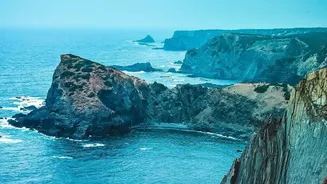
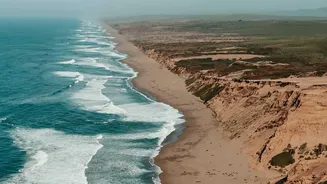
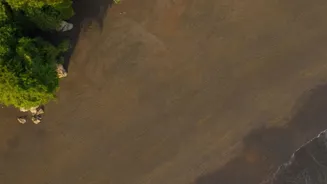
For anyone living along India’s vast 7,500-kilometre coastline, from the shores of Kerala to the deltas of West Bengal, the sight of erosion is all too familiar. It’s a tangible problem that threatens homes, livelihoods, and infrastructure. Traditionally,
the primary concern has been the physical loss of land. But scientists are increasingly pointing to a less visible, yet potentially more dangerous, consequence. The very soil, sediment, and plant life being washed out to sea are part of a critical global system for storing carbon. When this system is disturbed, it doesn't just relocate sand—it can unlock carbon that has been safely stored for centuries, or even millennia, releasing it into the atmosphere.
The 'Blue Carbon' Bank Account
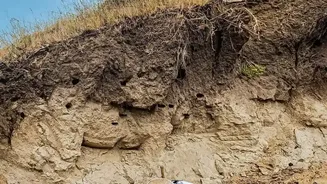
To understand the risk, we need to talk about 'blue carbon'. This refers to the carbon captured and stored by coastal and marine ecosystems. Think of ecosystems like mangrove forests, tidal salt marshes, and seagrass meadows as nature's high-interest savings accounts for carbon. These habitats are incredibly efficient, sequestering carbon at a rate up to ten times greater than mature tropical forests. Unlike forests that store most carbon in their trunks and leaves, the vast majority of blue carbon is locked away in the deep, oxygen-poor soils beneath these plants. This anaerobic environment prevents decomposition, meaning the carbon can remain trapped for thousands of years. India's coastal ecosystems, particularly the iconic Sundarbans mangroves, are enormous blue carbon repositories, providing a vital service in the fight against climate change.
How Erosion Unlocks the Carbon Vault
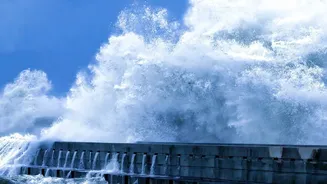
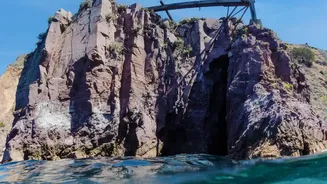
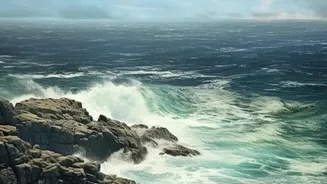
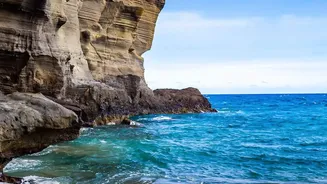
Coastal erosion acts like a key, unlocking this ancient carbon vault. As waves, storms, and rising sea levels eat away at the coastline, they physically break apart these carbon-rich soils. Once exposed to oxygen in the air or water, the long-dormant organic matter begins to decompose, a process that releases greenhouse gases like carbon dioxide and methane. So, every metre of eroded coastline represents not only lost land but also a potential new source of atmospheric carbon. The problem isn't limited to temperate and tropical zones. In the Arctic, rapidly eroding permafrost coastlines are releasing vast amounts of organic carbon that have been frozen since the last ice age, adding another dimension to this global challenge.
A Vicious Climate Feedback Loop
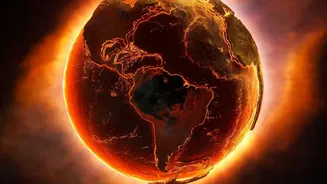
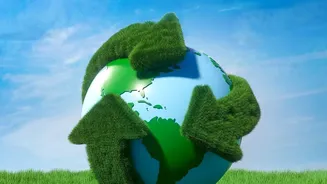
The connection between erosion and carbon creates a dangerous feedback loop. The initial release of carbon from eroding coastlines contributes to global warming. This warming, in turn, accelerates the very processes driving the erosion: sea levels rise faster due to thermal expansion and melting ice caps, and weather patterns shift to produce more frequent and intense storms. These stronger storms and higher seas then batter the coasts with even greater force, causing more erosion and releasing yet more carbon. In this cycle, a consequence of climate change (erosion) becomes a driver of further climate change, making it a particularly difficult problem to tackle.
The View from India's Coasts
For India, the stakes are exceptionally high. Studies have shown that a significant portion of the country's coastline is already experiencing erosion. Cities like Mumbai and Chennai, with their dense populations and critical infrastructure, are not only threatened by flooding but also by the degradation of their natural defences like mangroves. The Sundarbans, a UNESCO World Heritage site and one of the world's largest mangrove forests, is on the front line, facing land loss that threatens both its unique ecosystem and its massive carbon stores. Protecting these habitats is no longer just an environmental issue; it is a critical climate action. Preserving and restoring blue carbon ecosystems offers a dual benefit: it helps shield coastal communities from storms and erosion while keeping vast amounts of carbon locked safely away.