





What Happens to Your Muscles During a Workout?
To understand recovery, we first need to look at what's happening inside your muscles when you exercise. Think of your muscles as having their own rechargeable battery packs, filled with a fuel called glycogen. During strenuous activity, your body rapidly
burns through these glycogen stores for energy. At the same time, the physical stress of lifting, running, or jumping creates tiny micro-tears in your muscle fibres. This process, known as muscle protein breakdown, is a normal part of getting stronger. The fatigue and soreness you feel afterward are signals that your body has used up its fuel and needs to repair this 'damage'. This is where smart nutrition comes in, initiating the process of muscle protein synthesis—the building and repairing of muscle tissue.
The Power Duo: Protein and Carbohydrates
For decades, protein has been the star of the post-workout show, and for good reason. Protein provides amino acids, the essential building blocks your body needs to repair those muscle tears and build them back stronger. However, protein doesn't work alone. Carbohydrates are its crucial partner in recovery. Consuming carbs after a workout is the most effective way to restock your depleted glycogen stores, essentially recharging your muscles' batteries. When you eat carbs, your body is less likely to use protein for energy, allowing it to focus on its primary job: muscle repair. This dynamic combination of carbs and protein creates the ideal environment for recovery, reducing soreness and preparing you for your next session.
The Myth of 'Incomplete' Plant Protein
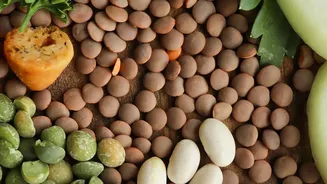
A common hesitation around plant-based recovery is the idea that most plant foods offer 'incomplete' proteins, meaning they are low in one or more of the nine essential amino acids. While animal proteins like whey contain all nine in high amounts, this doesn't make plant proteins less effective. Research increasingly shows that plant-based protein blends can stimulate muscle repair just as well as whey protein. The key is variety. By combining different plant sources, you can easily create a complete amino acid profile. For instance, legumes like dal and beans are high in the amino acid lysine but lower in methionine, while grains like rice are the opposite. Eaten together, they provide everything your muscles need.
Simple Pairings for Peak Recovery
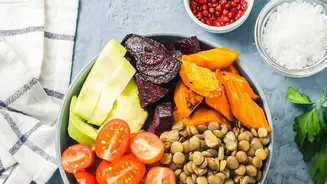
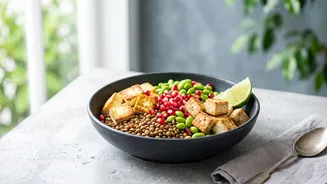
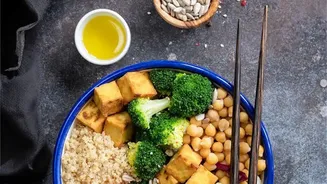
You don't need expensive powders or complicated shakes to refuel effectively. Many powerful recovery meals are likely already staples in your kitchen. The goal is to combine a quality carbohydrate source with a protein-rich plant food. Classic Indian combinations have been doing this for centuries. A meal of dal and rice, for example, provides both the protein and the carbohydrates needed to kickstart recovery. The same goes for roti paired with a hearty chana masala (chickpea curry). Other simple yet powerful options include a bowl of oats topped with nuts and seeds, a mixed bean salad, or even whole-grain toast with a generous spread of peanut butter. Each of these pairings delivers the one-two punch of carbs for energy and protein for repair.
When Should You Eat?
While the idea of a rigid 30-minute 'anabolic window' has been largely relaxed by modern science, timing still matters. To maximize recovery, it's generally recommended to have your post-workout meal within a few hours of finishing your exercise. Consuming your carb-and-protein meal during this period helps your body absorb the nutrients efficiently, replenish glycogen stores faster, and get a head start on repairing muscle tissue. This doesn't mean you need to rush to the kitchen the second you finish your last rep. But being mindful and planning a nutritious meal soon after your workout will ensure you reap all the benefits of your hard work.