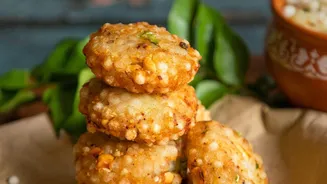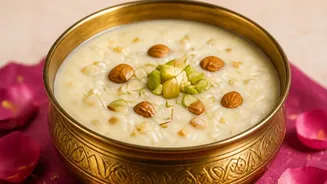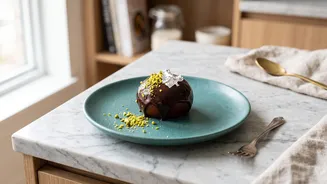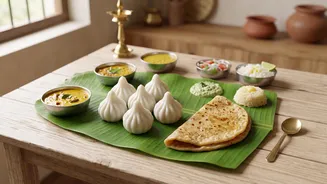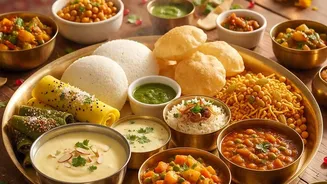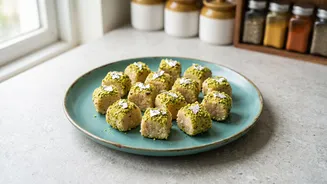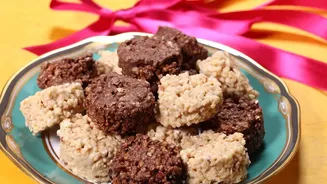

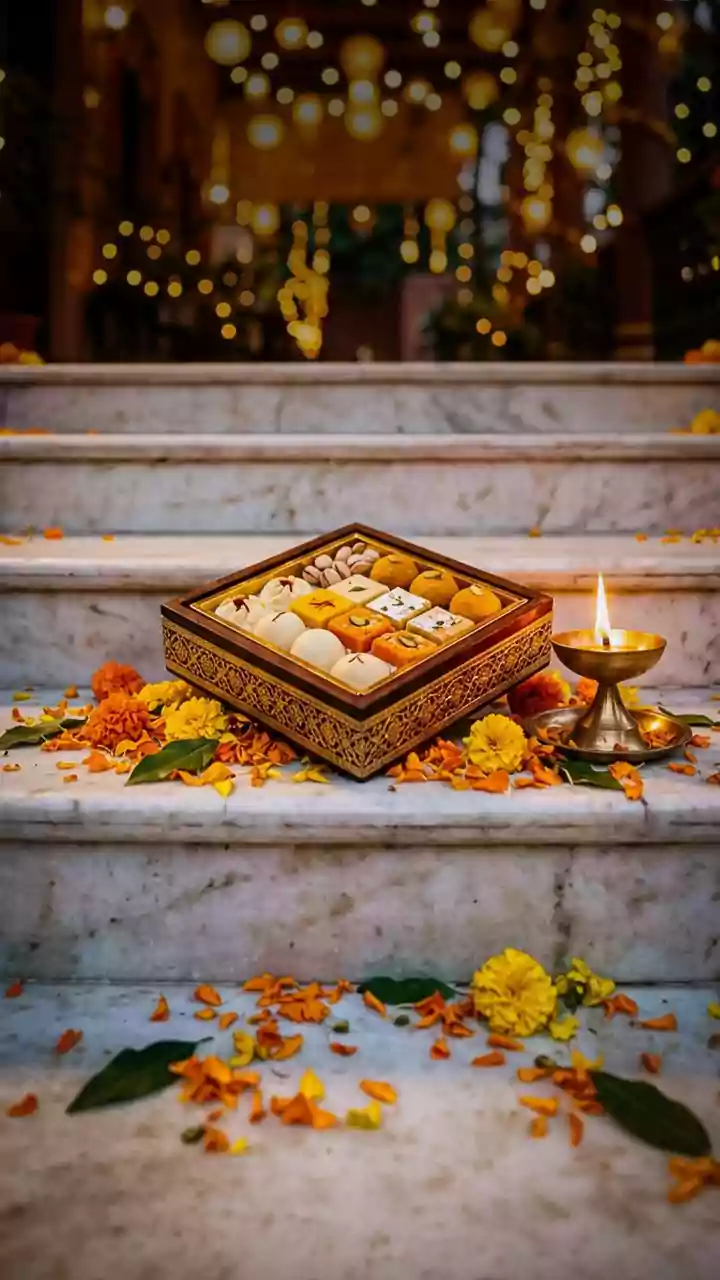
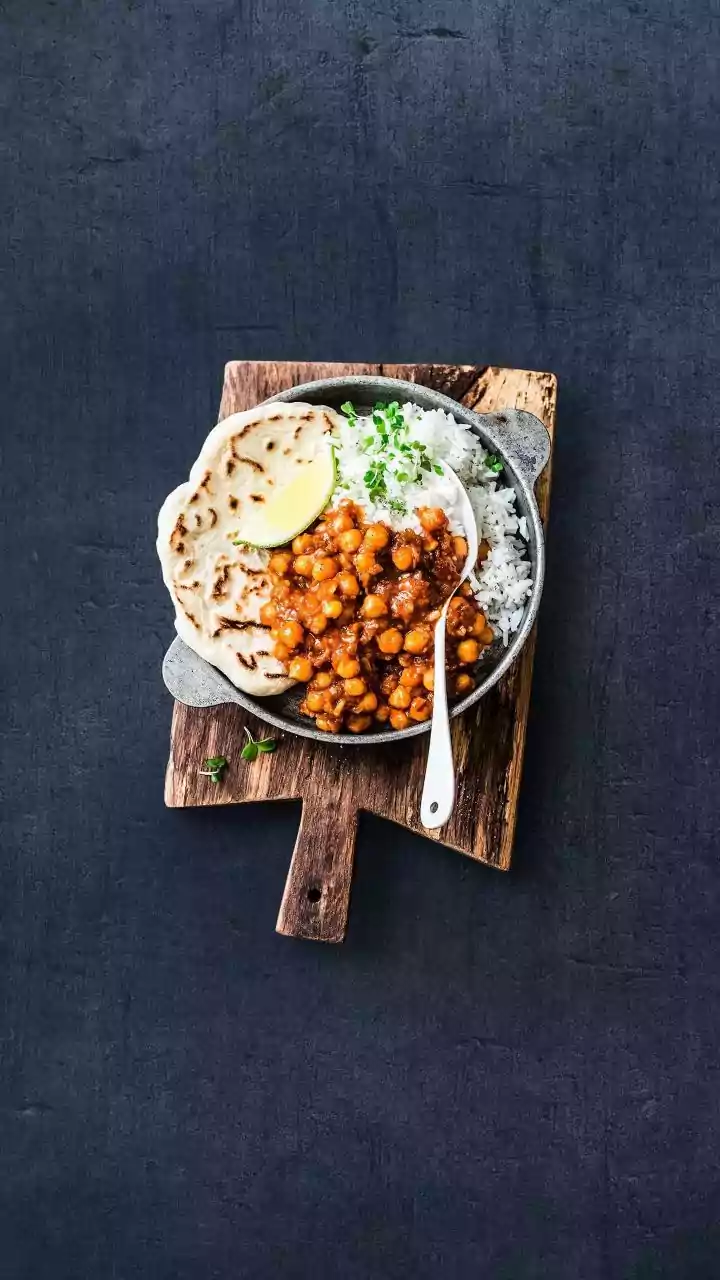


The festive table tells a new story. Alongside the lovingly prepared family-special murukku sits a box of premium store-bought sweets. This blend of homemade and purchased is no longer a compromise, but a consensus. Here’s why.
The Heart of the Matter: Tradition
For traditionalists, the
value of homemade food is not just about ingredients; it’s an expression of love and effort. There's a deep-seated belief that food made by hand carries a unique emotional weight. The process of cooking—chopping, grinding, and stirring—is a ritual that infuses the dish with intention and care. Psychologists even note that people place a higher value on things they have put effort into, which explains why a homemade meal often feels more satisfying. When a traditionalist host decides to mix in store-bought items, it's a calculated choice. They focus their limited time on preparing the 'hero' dishes—the ones with heirloom recipes or significant cultural meaning. The store-bought items are high-quality supplements, chosen to round out the spread without compromising the central, heartfelt offering.
The Modern Host’s Smart Strategy
For the modernist, hosting is about creating an experience. It’s less about labour and more about the overall atmosphere of connection and enjoyment. They see mixing homemade and store-bought treats not as a concession, but as a smart allocation of resources. In an era of dual-income households and demanding schedules, convenience is a key currency. Why spend hours on a dish when a high-quality, artisanal version is readily available, allowing more time to be present with guests? The effort for a modernist is redirected from the kitchen to other aspects of hospitality, like decor, music, and engaging conversation. The goal is to reduce stress and maximise joy. A store-bought cake or an elegant platter of snacks serves this purpose perfectly, acting as a supporting character to the host's main performance of bringing people together.
The Common Ground: Connection Over Perfection
Ultimately, both sides are driven by the same fundamental goal: to show love and foster community through food. The debate over homemade versus store-bought fades when the true purpose of a shared meal comes into focus. It’s about connection. The food on the table is a medium for stories, laughter, and togetherness. A lovingly prepared signature dish provides the personal touch and a link to family history, evoking powerful nostalgia. Meanwhile, carefully selected store-bought items add variety and abundance, ensuring the table is generous and welcoming. This hybrid approach acknowledges that the spirit of hospitality is not measured by hours spent in the kitchen but by the warmth and care offered to guests. It’s a practical and emotional solution for modern life.
How 'Homemade' is Being Redefined
The very definition of 'homemade' is becoming more flexible. If you make a delicious curry but use a store_bought spice mix, is it any less your creation? If you bake a cake from a box but create an elaborate, unique frosting, where does the store_bought end and the homemade begin? This hybrid approach, often called 'semi_homemade', is a creative middle ground. It allows cooks to take control over the final product—customising flavours, adjusting for dietary needs, and adding a personal flourish—without the burden of starting entirely from scratch. It's a reflection of how kitchens themselves are evolving into spaces of intermingling cultures and clever shortcuts. The emphasis is shifting from the labour of the process to the love and creativity behind the final dish.
A Rising Market Meets a Pressing Need
This trend is also fuelled by significant market changes. There has been a boom in 'homepreneurs' and artisanal brands offering high_quality, preservative_free snacks and sweets that taste just like they were made at home. This provides a reliable option for those who lack the time or skill to cook but still crave authentic flavours. These businesses fill a crucial gap, offering the goodness of traditional recipes with the convenience required by busy urban professionals. As a result, consumers have more choices than ever before, making it easier to assemble a spread that feels both personal and impressive without requiring days of prep work. This symbiotic relationship between consumer needs and market offerings has solidified the 'mixed' table as the new standard for Indian hospitality.