







The Golden Rule: Go Warm and Light
During the monsoon, high humidity can slow down our digestive process, a concept known in Ayurveda as a weakened 'Agni' or digestive fire. This makes our bodies more susceptible to issues like bloating and indigestion. The solution is to favor meals that
are warm, freshly cooked, and easy to digest. Think of comforting, simple dishes rather than heavy, oily, or complex preparations. Warm food is not only soothing but also safer, as the cooking process kills bacteria that thrive in humid weather. Avoiding cold, raw foods is a principle shared by both traditional wisdom and modern food safety guidelines, as they carry a higher risk of contamination during this season.
Start Your Day with a Warm Breakfast
A good monsoon breakfast sets a healthy tone for the day. Instead of cold cereals or pre-packaged items, opt for freshly made, warm dishes that are gentle on the stomach. Excellent choices include poha cooked with turmeric and curry leaves, upma with a tempering of ginger and mustard seeds, or moong dal chilla. These meals are not only easy to digest but are also cooked at high temperatures, which helps eliminate any potential bacteria. For those who enjoy a heartier start, oats cooked with warming spices like cinnamon and ginger can also be a wonderful and balancing option.
Embrace Soups and Lentils for Lunch and Dinner
Lunches and dinners are the perfect opportunity to incorporate nourishing soups and lentils. Khichdi, a one-pot dish of rice and moong dal, is widely considered an ideal monsoon food. It is a complete protein, easy to digest, and can be made fresh with minimal effort. Light dal preparations, vegetable soups, and broths are also fantastic choices. They help you stay hydrated while providing essential nutrients. Ayurveda recommends vegetables that are light and easy to digest, such as bottle gourd (lauki), bitter gourd (karela), and ridge gourd (turai). Incorporating these into your dals and sabzis is a great way to eat seasonally. Dinners should be the lightest meal of the day to avoid taxing your digestion overnight.
Boost Immunity with Spices and Herbs
The Indian spice box is a treasure trove of immunity-boosting ingredients perfect for the monsoon. Turmeric, ginger, garlic, and black pepper have powerful anti-inflammatory, antiviral, and antibacterial properties. Adding a pinch of turmeric to your milk or meals, starting your day with ginger tea, and using garlic in your cooking are simple ways to strengthen your body's defenses. Herbs like Tulsi (Holy Basil) are also revered for their ability to fight off infections. Chewing a few fresh tulsi leaves in the morning or drinking tulsi tea can be a simple yet effective daily ritual.
Snack Smartly on Rainy Evenings
Rainy evenings often bring on cravings for fried snacks like samosas and pakoras. While indulging once in a while is fine, making it a habit can lead to digestive distress. Healthier alternatives can be just as satisfying. Roasted corn on the cob (bhutta) is a classic monsoon snack that is rich in fiber. Other great options include roasted makhana (fox nuts), steamed snacks like dhokla or momos, and sprouted moong chaat. If you are craving something crunchy, a handful of nuts like almonds and walnuts can provide healthy fats and essential minerals like zinc, which is crucial for immune function.
Choose Your Fruits Wisely
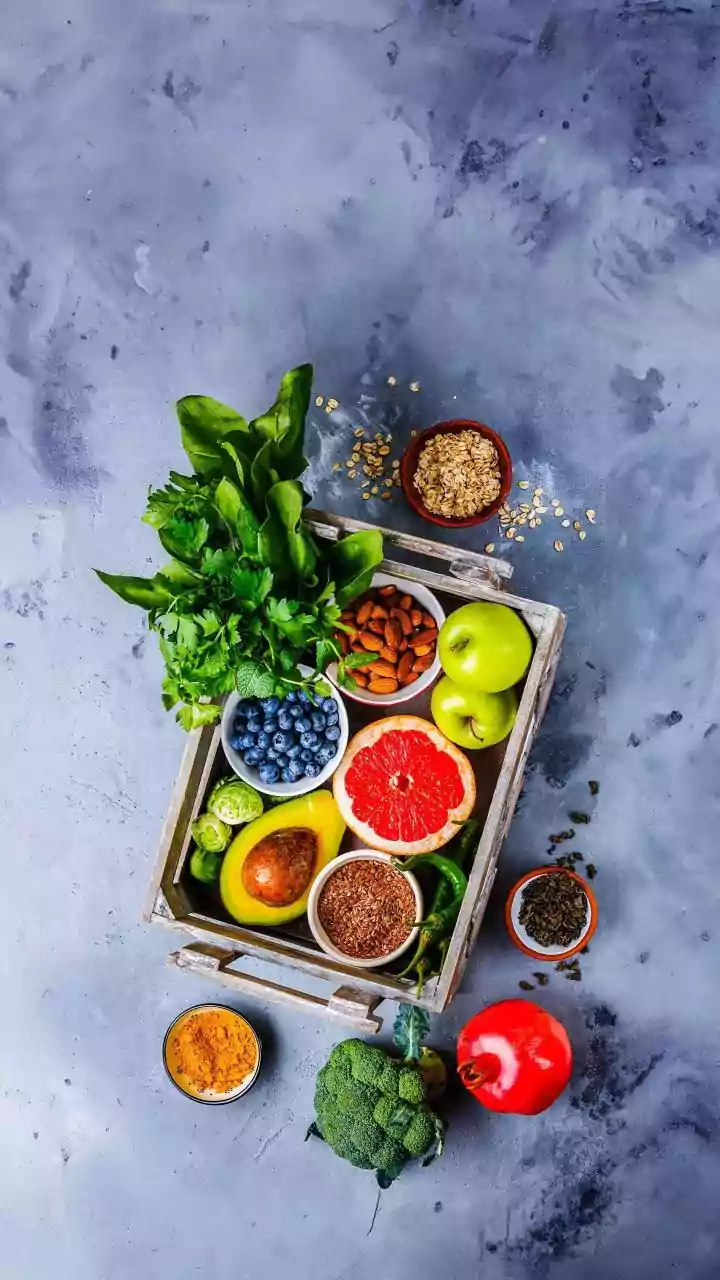
While fruits are essential, it's wise to be selective during the monsoon. Opt for seasonal fruits like apples, pomegranates, pears, and jamun. These are packed with vitamins and antioxidants that support your immune system. Citrus fruits like oranges and sweet lime are valuable for their high Vitamin C content, which helps the body fight infections. It's crucial to wash all fruits thoroughly before consumption. Many experts recommend peeling fruits when possible and avoiding pre-cut fruits sold by street vendors to minimize the risk of contamination.