


A New Chapter for Urban Palates
Urban Indian diners are no strangers to global trends, but the latest culinary wave is coming from much closer to home. Chefs in metropolitan hubs are increasingly turning to the distinctive ingredients of Northeast India to craft innovative and exciting
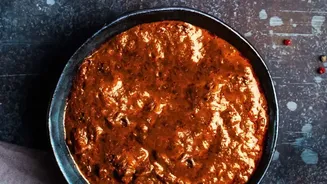
dishes. This isn't about replicating traditional recipes verbatim; it's about creatively integrating powerful flavours into modern café fare. Think succulent chicken wings glazed with a Bhut Jolokia-infused sauce, burgers with a smear of umami-rich Axone paste, or even hearty noodle bowls deepened with the tangy aroma of fermented bamboo shoots. This shift signals a growing appetite for authentic, regional Indian tastes that move beyond the conventional.
The Ghost Pepper's Allure
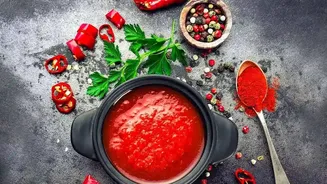
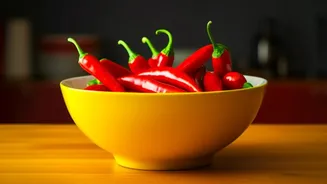
At the heart of this trend is the Bhut Jolokia, or ghost pepper. Once certified as the world's hottest chilli in 2007, it hails from states like Assam, Nagaland, and Manipur. But its appeal isn't just about raw, searing heat; it possesses a unique, smoky aroma and a flavour that adds incredible depth to dishes when used correctly. In its native region, it's a staple used to liven up everything from chutneys to meat curries. Now, city chefs are harnessing its power more delicately, using it to create complex sauces, spicy mayos, and marinades that offer a thrilling but balanced kick, introducing diners to a heat that is as flavourful as it is intense.
The Funk and Umami of Fermentation
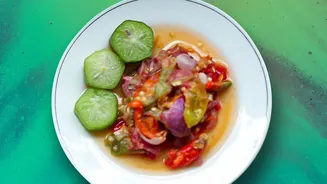
Alongside the ghost pepper, fermented products long central to Northeastern cuisine are finding new life. Condiments like Axone (pronounced 'akhuni'), a fermented soybean product from Nagaland, and various forms of fermented bamboo shoots (known as 'khorisa' in Assam or 'bastenga' in Nagaland) are making their mark. These ingredients are prized for their powerful, pungent aromas and deep umami flavour—the savoury fifth taste. For generations, they have been used to add complexity to stews, curries, and vegetable preparations. In modern restaurant kitchens, Axone is being used as a potent flavour-booster in gravies and meat dishes, while fermented bamboo shoots add a signature tang to everything from pork curries to inventive fusion stir-fries.
Why Now? A Culinary Awakening
Several factors are driving this trend. There is a broader movement in Indian fine dining towards championing indigenous ingredients and rediscovering regional culinary heritage. For years, many high-end menus favoured imported items, but now chefs are finding inspiration in their own backyards. This shift is also fuelled by a more adventurous Indian diner, who is eager to explore flavours beyond the familiar. Furthermore, the increasing visibility of Northeast Indian culture through media and travel has piqued curiosity. Chefs see an opportunity not just to innovate, but to tell a story of cultural richness through food, moving these ingredients from being perceived as 'acquired tastes' to celebrated components of a diverse national cuisine.
More Than a Trend, A Bridge
The appearance of Bhut Jolokia and Axone on a café menu in Mumbai or Delhi is more than just a passing fad. It represents a significant culinary and cultural bridge. For too long, the unique cuisines of the Northeast remained largely unfamiliar to the rest of the country, sometimes stigmatized for their strong aromas and flavours. By thoughtfully incorporating these ingredients, chefs are fostering a new appreciation and dismantling old prejudices. It's a delicious form of national integration, where a shared meal can spark curiosity and celebrate the incredible diversity of India's food landscape. This trend is a testament to the idea that flavour knows no borders, especially within one's own country.