





1. The 30-Day Plant-Based Protein Push
The age-old question, “But where do you get your protein?” is getting a modern answer. This challenge is a direct response to the common concern that vegetarian diets can be low in protein and high in carbohydrates. For 30 days, participants consciously
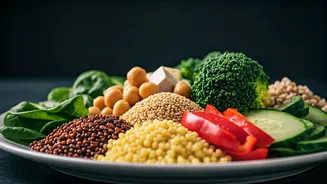
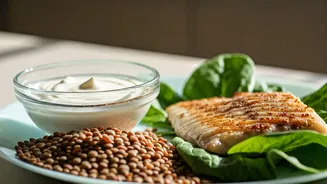
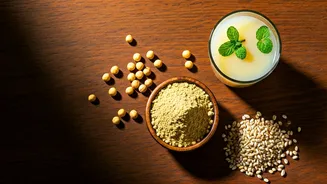
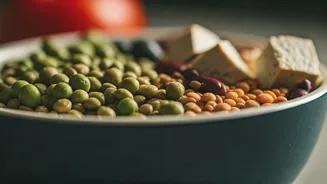
track and increase their protein intake, aiming for a specific goal (often 60-80 grams per day). The focus is on diversifying protein sources beyond the usual dal and paneer. People are incorporating more tofu, edamame, chickpeas, quinoa, various lentils, seeds like chia and flax, and even plant-based protein powders into their daily meals. The goal isn't just to build muscle; it’s about improving satiety to reduce unhealthy snacking, boosting energy levels, and ensuring a more balanced nutritional profile. It forces a creative rethink of everyday meals, swapping out a second roti for a bowl of chana salad or adding a scoop of protein powder to a morning smoothie.
2. Going Vegan for a Month
While vegetarianism is common in India, veganism—which excludes all animal products, including dairy, ghee, and honey—is a newer, rapidly growing trend. The 'Veganuary' movement (going vegan for January) or a personal 30-day vegan challenge is often the first step for the curious. For many young Indians, this is driven by a mix of ethical concerns for animals, environmental impact awareness, and health reasons, such as lactose intolerance or wanting to reduce inflammation. The challenge involves finding substitutes for staples like milk in chai (oat and soy milk are popular), ghee in cooking (coconut or vegetable oils are used), and paneer in curries (tofu is the go-to). It’s a significant shift that requires careful label-reading and meal planning, but many who try it report feeling lighter and more energetic. It's a test of commitment and creativity in the kitchen.
3. The Whole Foods, No-Junk Challenge
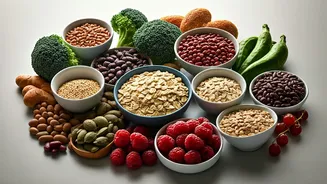
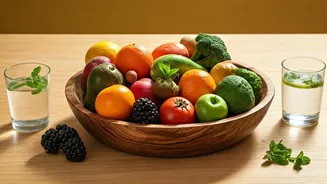
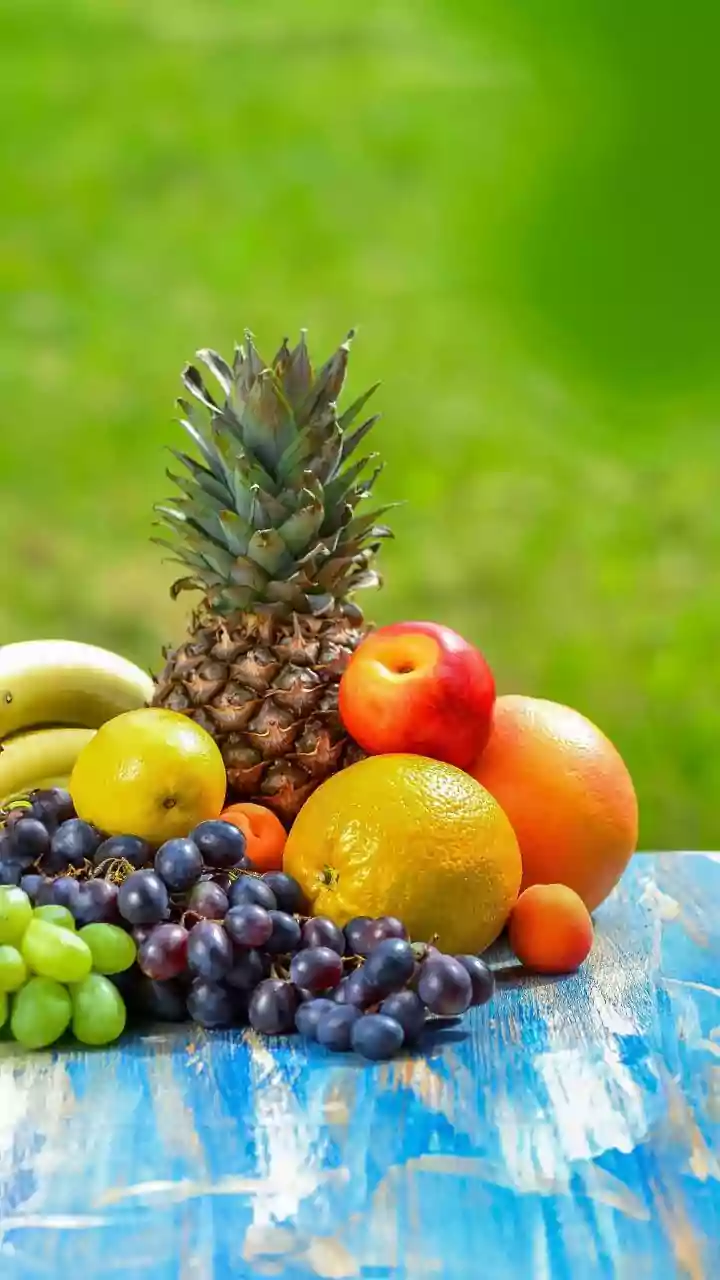
This challenge is less about what you can't eat (like meat) and more about the quality of what you do eat. The simple rule is to eliminate all processed foods for a set period, usually a month. This means no packaged biscuits, instant noodles, chips, sugary drinks, or foods with long, unpronounceable ingredient lists. It also often includes cutting out refined flour (maida) and refined sugar. The focus shifts to 'whole foods' — ingredients in their most natural state, like fresh vegetables, fruits, whole grains (millets, brown rice), lentils, and nuts. This trend taps into a desire to detox from the modern diet and reconnect with simpler, more nourishing ways of eating. Participants often learn to cook more from scratch, discovering how delicious simple, well-spiced food can be without relying on processed sauces and additives. The primary drivers are better gut health, clearer skin, and stable energy levels.
4. The One-Grain-a-Day Rule
Traditional Indian vegetarian meals can be very grain-heavy, with rice or roti forming the base of both lunch and dinner. The 'One Grain a Day' challenge aims to recalibrate this balance. For a month, you commit to having a significant grain-based carb (like rice, roti, or bread) in only one meal per day. For the other meals, the plate is filled primarily with vegetables, dals, legumes, and protein sources like paneer or tofu. This approach helps in managing weight, controlling blood sugar spikes, and avoiding the post-lunch slump. It encourages people to explore a wider variety of vegetable preparations and salads, moving them from a side dish to the main event. It’s a popular challenge among those looking for sustainable weight management without feeling overly restricted, as it doesn't eliminate any food group entirely.