



The Monsoon Challenge for Plant Roots
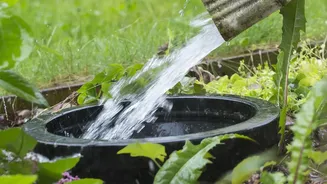
The continuous downpour and high humidity of the Indian monsoon create a difficult environment for plant roots. The single biggest threat is waterlogged soil, which suffocates roots by cutting off their oxygen supply. This condition, known as root rot,
is a primary cause of plant death during this season. Roots that are constantly wet become soft, mushy, and turn brown or black, losing their ability to absorb nutrients. Furthermore, heavy rains can wash away essential nutrients from the soil through a process called leaching, leaving plants undernourished despite the abundant water.
Mastering Soil and Drainage
Your first line of defense is ensuring excellent drainage. Check every pot to make sure its drainage holes are clear of mud or old roots. A simple but highly effective trick is to elevate pots on bricks or stands, allowing excess water to escape freely and preventing them from sitting in stagnant water. The soil mix itself is crucial. Heavy, clay-like soils retain too much moisture. To create a healthier environment for roots, amend your potting mix with materials like cocopeat, sand, or perlite. This creates a lighter, more porous structure that drains quickly while still holding enough moisture.
Rethinking Your Watering Schedule
It's a common mistake to assume plants don't need any manual watering during the monsoon. Plants under covered balconies or dense foliage might not receive enough rainwater. The golden rule is to always check the soil before watering. Push your finger about an inch or two into the soil; if it feels dry at that depth, it's time to water. If it's still moist, hold off. Overwatering is one of the biggest contributors to root rot, so letting the topsoil dry out slightly is essential for allowing roots to breathe.
Wise Nutrient Management
With heavy rains leaching nutrients from the soil, you might be tempted to fertilize more often, but this can do more harm than good. Plant growth often slows during the cloudy days of monsoon due to reduced sunlight, meaning they use nutrients more slowly. Heavy feeding can lead to a buildup of fertilizer salts in the already stressed, wet soil. It's better to fertilize less frequently, perhaps once every three to four weeks. Opt for liquid or water-soluble fertilizers for quicker absorption, or mix in organic compost, which helps retain nutrients without overwhelming the roots. Always water before applying fertilizer to avoid burning the roots.
Pruning for Better Airflow
Strategic pruning does more than just shape your plants; it improves root health. Trim away dense foliage near the base of your plants to increase air circulation around the soil. This helps the soil surface dry out faster after rain, reducing the risk of fungal growth. Regularly remove any yellow, dead, or diseased leaves and stems. This not only prevents the spread of infections but also directs the plant's energy toward healthy new growth rather than sustaining dying parts.
Watching for Pests and Fungi
The damp, humid conditions of August are a breeding ground for pests like snails and slugs, as well as fungal diseases. Be vigilant and inspect your plants weekly, paying close attention to the undersides of leaves and the soil line. Natural remedies can be very effective. A preventive spray of diluted neem oil every 10-15 days can deter many common pests. Sprinkling a little cinnamon powder on the soil can also act as a natural antifungal agent.