







The Modern Challenge of Connection
In an age of digital friendships and intense academic competition, it’s easy for students to feel more disconnected than ever. While social media promises community, it can often lead to feelings of isolation. Studies suggest that loneliness is a significant
issue on campuses, affecting mental health and academic performance. This isn't just about being alone; it's about a lack of quality relationships and the feeling that your social life doesn't meet your needs. The pressure to succeed can inadvertently push students apart, creating an environment where vulnerability is scarce and authentic connections are hard to forge.
The Simple Science of Saying 'Thank You'
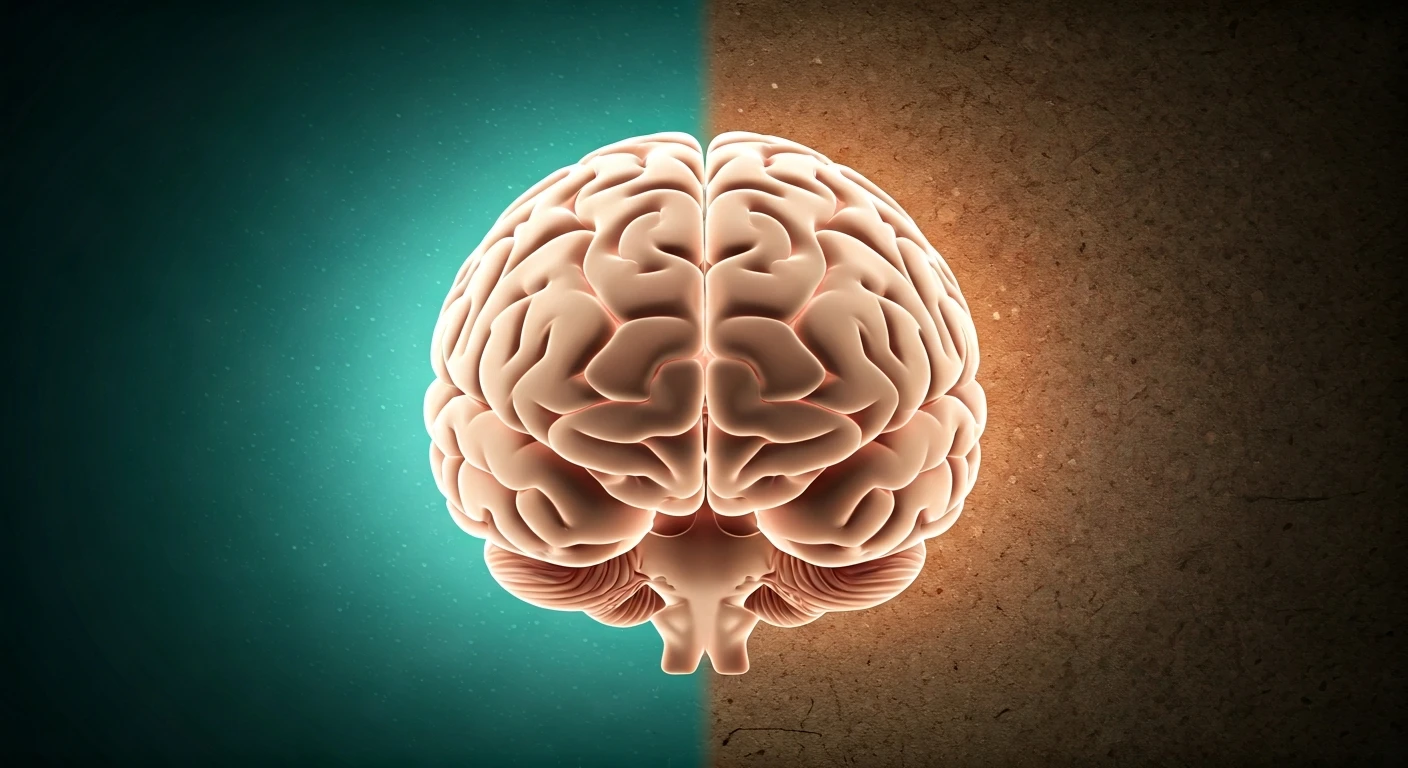
This is where gratitude comes in. Far from being just a polite phrase, gratitude is a powerful emotion that can rewire your brain for connection. When you express thanks to someone, it does more than make them feel good; it signals that you value them and their actions. This simple acknowledgement acts as a 'booster shot' for relationships. Neuroscience shows that gratitude activates brain regions associated with social bonding and reward, releasing feel-good neurotransmitters like dopamine and serotonin. This creates a positive upward spiral: expressing gratitude strengthens a bond, making the other person more likely to invest in the relationship, which in turn gives you more to be grateful for.
From Feeling to Action
The key is to move gratitude from a passive feeling into an active practice. While feeling thankful is a good start, it’s the expression of that thanks that builds the bridge to another person. Researchers have found a strong link between gratitude practices and reduced feelings of loneliness. By focusing on what you appreciate in others, you shift your perspective from what you lack to the good that is already present. This mindset makes you more open and approachable, fostering trust and encouraging positive interactions with peers, teachers, and family. In essence, gratitude helps you find, remind, and bind yourself to the people in your life.
Four Simple Ways to Practice Gratitude
Integrating gratitude into your daily life doesn't have to be another chore. Here are some simple, effective exercises: 1. Keep a Gratitude Journal: At the end of each day, write down three specific things you were grateful for. Research shows this simple five-minute habit can increase long-term well-being. 2. Write a Gratitude Letter: Think of someone who has made a positive impact on your life—a teacher, a friend, a family member—and write them a letter expressing your appreciation. You don’t even have to send it, but doing so can have a profound impact on both of you. 3. Go on a Gratitude Walk: Take a walk around campus or your neighbourhood with the specific intention of noticing things you're thankful for—the architecture, the green spaces, a friendly face. 4. Express Verbal Appreciation: Make a point to genuinely thank someone every day. It could be the person serving you coffee, a classmate who explained a difficult concept, or a friend who listened. A specific, heartfelt 'thank you' can go a long way.
Pushing Past the Awkwardness
Expressing sincere gratitude can feel vulnerable or awkward at first. You might worry about how it will be received. The best way to overcome this is to start small. Thank someone for a minor, everyday kindness. The more you do it, the more natural it will feel. Remember that your genuine appreciation is a gift. Research confirms that people who receive expressions of gratitude feel more socially valued and are more inclined to strengthen the relationship. By focusing on the positive impact you are making, you can push past any initial hesitation and turn a potentially awkward moment into a deeply connecting one.