




Ghevar: The Rajasthani Honeycomb Delight
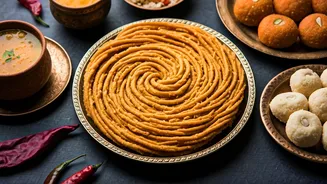
This disc-shaped sweet from Rajasthan is synonymous with the monsoon festivals of Teej and Raksha Bandhan. Ghevar has a unique, honeycomb-like texture that is both crispy and porous, created by deep-frying a batter of flour and ghee. What makes it a true
monsoon specialty is that the humid air during the rainy season is essential for achieving its perfect lacy structure; in drier weather, the batter fails to achieve the desired consistency. After frying, it's soaked in sugar syrup and often topped with rabri (thickened sweet milk), slivered nuts, and saffron, making each bite a rich, textural celebration. It is believed in Ayurveda that the ingredients in ghevar, like ghee and the sweet syrup, help calm the dryness and acidity that can be prevalent during the rainy season.
Malpua: The Classic Comfort Pancake
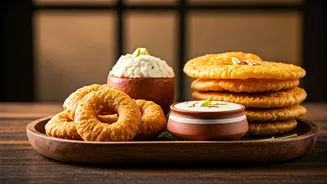
Often called India's answer to the pancake, malpua is a beloved dessert across the country, especially during the rains. These small, fluffy pancakes are traditionally made from a batter of flour, semolina, milk, and sometimes mashed bananas. They are deep-fried in ghee until the edges turn golden and crisp while the center remains soft and chewy. The fried discs are then dunked into a warm, fragrant sugar syrup flavored with cardamom or saffron. Often served hot with a generous topping of rabri or a sprinkle of chopped pistachios, a plate of malpua is the epitome of monsoon indulgence—warm, sweet, and incredibly satisfying.
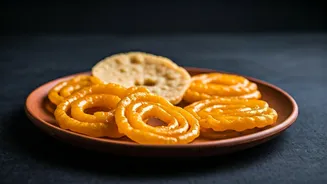
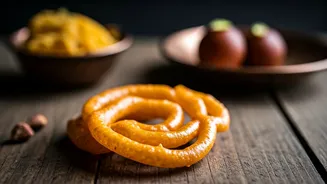
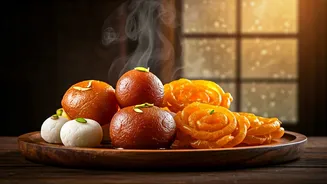
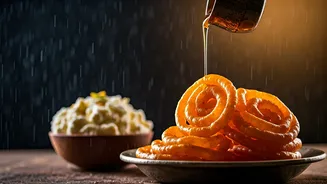
Jalebi: The Sweet Golden Spiral
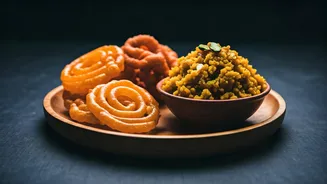
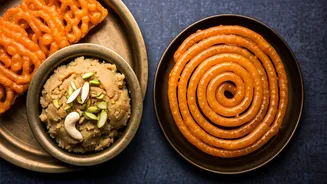
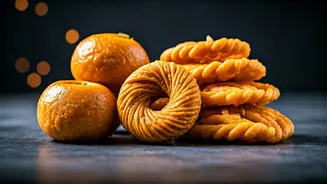
There's an undeniable magic in watching golden spirals of jalebi being fried, especially on a rainy day. This popular sweet is made from a fermented batter of flour and yogurt, which is piped in concentric circles into hot oil and deep-fried to a perfect crispness. The fried spirals are then immediately soaked in a warm sugar syrup, which they absorb while retaining their delightful crunch. The combination of a crispy exterior and a juicy, syrupy interior makes jalebi an irresistible treat. Enjoying them hot is a classic monsoon ritual, often paired with a glass of warm milk or a dollop of creamy rabri to balance the sweetness.
Kheer/Payasam: A Creamy, Comforting Bowl
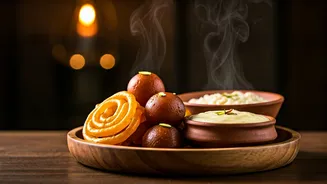
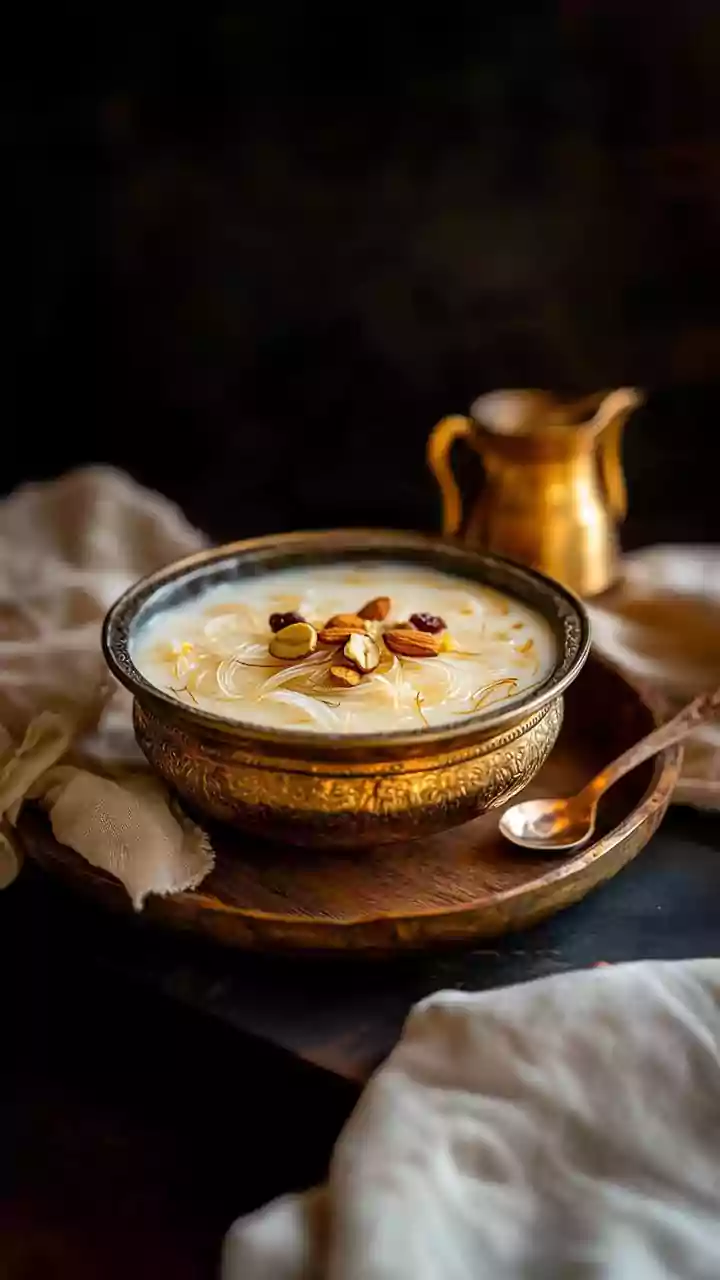
Kheer, or Payasam in the South, is the quintessential Indian pudding that finds a special place during the monsoon. This creamy dessert is made by slowly simmering rice, vermicelli, or sabudana (tapioca pearls) in milk until it thickens. It’s sweetened with sugar or jaggery and delicately flavored with cardamom, saffron, and rose water. Served warm, a bowl of kheer provides a sense of deep comfort on a cool, rainy evening. Garnished with roasted cashews, almonds, and raisins, its richness and warmth make it a perfect, soulful conclusion to any meal. Variations across India are plenty, from the Ada Pradhaman in Kerala made with jaggery to the Doodh Pak in Gujarat.
Modak & Pitha: Steamed Parcels of Joy
While fried sweets are popular, steamed desserts offer a different kind of monsoon comfort. Modak, a sweet dumpling from Maharashtra, is a prime example. These pleated rice flour dumplings are filled with a sweet mixture of fresh coconut and jaggery and then steamed. Similarly, regions like West Bengal, Assam, and Odisha have their own versions of steamed rice cakes called Pitha. Sweets like Odisha's Manda Pitha are also steamed dumplings stuffed with coconut and jaggery. These desserts are light, wholesome, and served hot, making them a wonderfully comforting and healthy indulgence to enjoy while watching the rain pour down.